






An Aggressive Push for Clean Air
Effective July 1, 2026, the new policy aims for 30% of Delhi's entire vehicle fleet to be electric by 2030. To achieve this, it employs a multi-pronged strategy: hefty purchase subsidies, scrappage bonuses for old vehicles, 100% road tax and registration
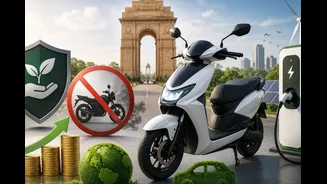
fee waivers, and a massive expansion of charging infrastructure. Most significantly, the policy sets firm deadlines, banning new registrations of petrol and CNG auto-rickshaws from January 2027 and, in a landmark move, stopping all new petrol-powered two-wheeler registrations from April 1, 2028. This isn't a gentle nudge; it's a decisive shove towards an electric future, forcing a change in the market.
Biggest Winners: Two-Wheeler Riders
The most immediate and significant beneficiaries of this policy are Delhi’s millions of two-wheeler riders. Two-wheelers constitute nearly two-thirds of all vehicles in the capital and are a major source of emissions. The policy directly targets this segment with a purchase incentive of up to ₹30,000 in the first year, which tapers down in subsequent years. When combined with a ₹10,000 scrappage incentive for trading in an old BS-IV or older petrol scooter or bike, the upfront cost of a new electric two-wheeler is drastically reduced. Given the looming 2028 ban on new petrol two-wheelers, these financial cushions are designed to make the switch not just attractive, but almost inevitable for the average commuter.
A Lifeline for Gig and Delivery Workers
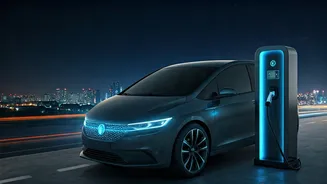
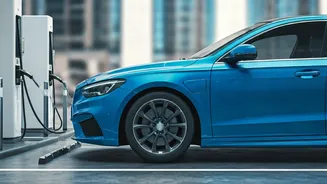
Another group set to gain enormously is the city's burgeoning population of gig and delivery workers. For them, a vehicle is a primary tool for earning a livelihood. The policy offers substantial incentives for electric three-wheelers (up to ₹50,000) and commercial goods carriers, which directly lowers their capital expenditure. While some worker unions have expressed concerns about the initial cost difference between CNG and electric autos and the readiness of charging infrastructure, the long-term operational savings on fuel and maintenance are a powerful draw. The government's plan to install around 32,000 public charging points aims to address the critical issue of 'range anxiety' and potential downtime that affects these workers' daily earnings.
A Calculated Nudge for Car Buyers
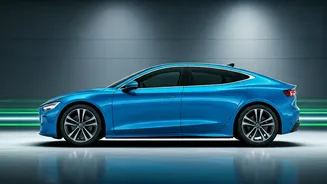
For four-wheeler buyers, the policy is more of a calculated nudge than a hard push. The government is offering a 100% waiver on road tax and registration fees for electric cars with an ex-showroom price under ₹30 lakh. Furthermore, a generous scrappage incentive of ₹1 lakh is available for the first 100,000 applicants who scrap an old petrol or diesel car to buy a new EV. However, direct purchase subsidies for cars have not been renewed, and the tax benefits do not apply to vehicles over the ₹30 lakh threshold, indicating a clear focus on mass-market adoption rather than the luxury segment. The decision to exclude hybrid vehicles from incentives further clarifies the government's all-in strategy for pure EVs.
The Ultimate Beneficiary: A Breathable Delhi
While individuals and commercial operators gain financially, the policy's ultimate goal is a collective one. By targeting the most numerous and polluting vehicle segments, the government is making its most aggressive attempt yet to combat the city's chronic air pollution. Every financial incentive and regulatory deadline is a tool aimed at reducing vehicular emissions, which are a primary contributor to Delhi's infamous smog. As one official noted, each EV delivers a 'double dividend' by cleaning the air for children and reducing India's reliance on imported fossil fuels. In the long run, if the policy succeeds in its ambitious targets, the biggest winner will be every resident of Delhi who gets to breathe cleaner air.