




Introducing Villa Swagatam
At the heart of this initiative is Villa Swagatam, a residency programme launched by the French Institute in India in 2023. Unlike a single, monolithic institution, it's a dynamic network of nearly 30 partner organisations across both India and France.
This network facilitates residencies for artists, writers, designers, and researchers, embedding them in diverse cultural and artistic ecosystems for periods of one to three months. The recently concluded edition, part of the India-France Year of Innovation 2026, saw dozens of creators from both countries participate, continuing the mission to deepen cultural ties. The growing interest is clear: the latest open call attracted over 540 applications from France and India, a significant increase that highlights the programme's rising prestige.
Beyond a Simple Exchange
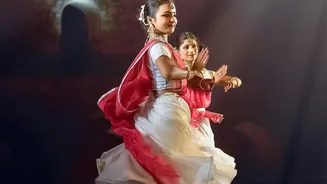
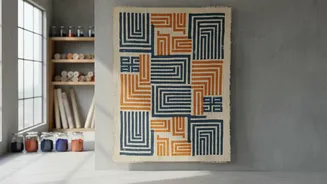
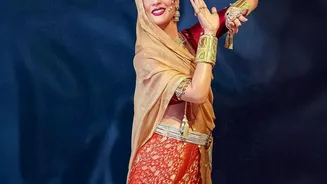
The projects born from Villa Swagatam are as varied as the participants themselves. They range from a French playwright developing a Mahabharata adaptation across Delhi and Varanasi to an Indian dancer exploring new movements at the Centre National de la Danse in Paris. Another project saw a French artist blend ceramic techniques with local know-how at Nila House in Jaipur, while an Indian novelist is set to explore the shared ecological histories of the Indian Ocean from a residency in La Réunion. This isn't just about French artists coming to India. A crucial part of the programme's design is its reciprocity. Since 2024, Indian artists have been hosted in France under the same framework, ensuring the exchange is a true two-way street.
The Problem with 'One and Done' Residencies
Traditional cultural residencies, for all their benefits, often suffer from a common flaw: their impact can be temporary. An artist has an intense, productive period in a new country, forges connections, and then returns home. Follow-up projects fizzle out due to distance, lack of funding, or institutional support. The initial spark of collaboration fades, and the experience remains a powerful but isolated memory. This model produces great individual work but often fails to build the connective tissue needed for a truly deep and lasting international partnership. The momentum is lost, and the cultural dialogue, while valuable, remains short-lived.
Building a Framework for the Future
This is where Villa Swagatam's core philosophy becomes clear. The programme was explicitly designed to be a catalyst for long-term collaboration, not a one-time opportunity. By creating a formal network of partner institutions—from the Kochi-Muziris Biennale to Jaipur Rugs and French institutions like the Musée d'Art Contemporain de Lyon—it provides an enduring infrastructure for artists. This structure encourages alumni to stay connected and develop joint projects long after their initial residency ends. As French Ambassador Thierry Mathou noted, the programme functions as a "remarkable laboratory for Indo-French cultural cooperation and innovation," designed to forge unexpected collaborations and deepen cultural friendships. The focus is on building a community, not just funding a trip.
What This Means for Cultural Ties
The success of this model is already visible. Alumni from past editions have showcased their collaborative work at major platforms like the India Art Fair and various literature festivals. The initiative was even presented to French President Emmanuel Macron during an official visit, underscoring its importance in the broader diplomatic relationship. For Indian artists, it offers a structured and sustainable pathway to engage with the French and European art scenes. For the Indo-French relationship, it represents a shift from symbolic cultural events to a more integrated, systemic partnership. By focusing on creating a permanent network, Villa Swagatam is building bridges that are designed to last, ensuring that the creative dialogue between the two nations continues to evolve for years to come.