




The Seventy Percent Problem
The push for a backup capital, or 'sub-capital', is driven by a stark and well-understood threat. The Japanese government estimates there is a 70% probability of a magnitude-7 class earthquake striking the Tokyo metropolitan area within the next 30 years.
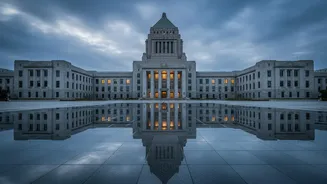
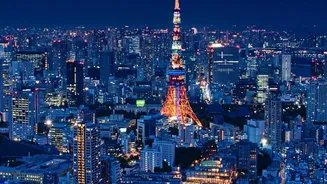
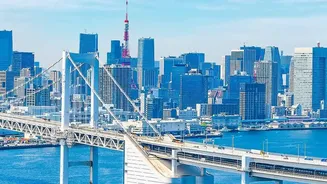
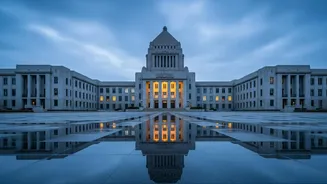
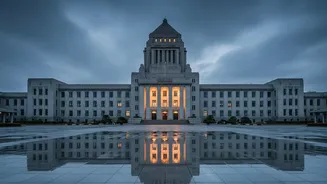
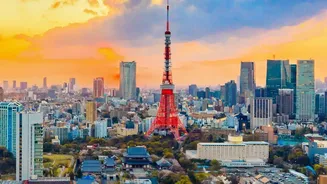
Such a disaster could instantly cripple the nerve center of the world's fourth-largest economy. With a population of over 40 million in its greater metropolitan area, Tokyo hosts the Prime Minister's office, the National Diet, central ministries, the Bank of Japan, and the headquarters for a majority of the country's largest companies. A catastrophic event would not only cause immense human and physical damage but could also sever the government's ability to function, potentially triggering global economic instability. The plan is designed to ensure that even if Tokyo is offline, the state itself is not.
A Plan Decades in the Making
The idea of decentralizing Japan's government away from Tokyo is not new. Discussions about the risks of overconcentration have been ongoing since at least the 1990s, with various proposals floated to move capital functions. However, these efforts historically struggled to gain political momentum. The key difference now is the passage of a new law in July 2026. After a contentious debate that delayed parliament's summer recess, the bill was passed, creating for the first time a formal legal framework to designate and develop a backup city. The law requires the government to formulate a basic policy within one year, setting the stage for one of the most ambitious national resilience projects in modern history. This legislation transforms the concept from a theoretical debate into a concrete, albeit complex, national priority.
What Makes a Backup Capital?
Not just any city can serve as a backup for Tokyo. The new law outlines specific criteria for potential candidates. A designated region must have a significantly lower probability of being damaged by the same disaster that strikes the capital. It must also possess sufficient existing infrastructure, a substantial economic and population base, and the administrative capacity to take over key government functions in an emergency. The framework is flexible, leaving the door open for one or even multiple cities to be chosen. The goal is to build redundancy into Japan's national governance, ensuring that core political and administrative operations can be seamlessly transferred when needed. These designated areas are expected to receive preferential treatment, including tax incentives and regulatory reforms, to attract investment and build up their capabilities.
The Leading Contenders
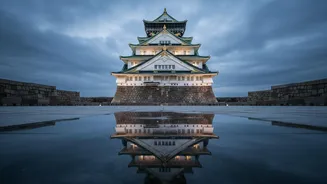
Immediately following the law's passage, several major cities and prefectures across Japan have shown strong interest in becoming a designated sub-capital. The governors of Osaka, Fukuoka, and Aichi (home to the city of Nagoya) have all publicly declared their intent to seek the designation. Other regions, including Hokkaido and Miyagi, have also expressed interest. Osaka is often seen as a frontrunner due to its economic scale and political backing. Fukuoka, located on the southern island of Kyushu, is often cited for its strategic geography and relative distance from the tectonic fault lines threatening Tokyo. Aichi, a manufacturing powerhouse, also presents a strong case. The final decision rests with the Prime Minister, but a fierce competition among Japan's major regional hubs is already underway.
A Move Fueled by Politics
The plan's passage was not without controversy, much of it rooted in domestic politics. The creation of a second capital has long been a signature policy of the Osaka-based Japan Innovation Party, or Ishin. The passage of the bill was reportedly a key promise made to persuade Ishin to join the ruling coalition government. This has led critics to label the legislation the 'Osaka Special Treatment Act', arguing it is designed to channel investment and prestige to the party's home turf. The razor-thin vote in the upper house of parliament, which passed by just two votes, highlights the deep political divisions over the plan. Proponents argue that the law is designed to allow multiple cities to apply, countering the idea that it is an exclusive gift to Osaka.
More Than Just an Emergency Plan
While disaster preparedness is the primary catalyst, the backup capital framework has a dual purpose. It is also a major pillar of a broader strategy to correct what the law calls an 'overconcentration' of people, business, and power in Tokyo. For decades, Japan has struggled with regional depopulation as young people move to the capital for opportunities, leaving other parts of the country to decline. By investing in government facilities, transport links, and urban infrastructure in one or more regional centers, the government hopes to create new engines of economic growth. The vision is not just to have a city on standby for a crisis, but to actively rebalance the entire national landscape, fostering more distributed and sustainable development for the 21st century.