



The Foundation: Soft and Steamed
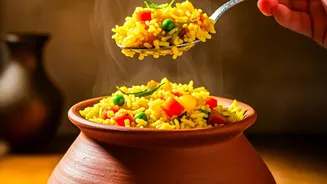
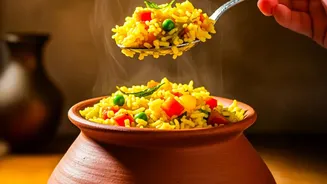
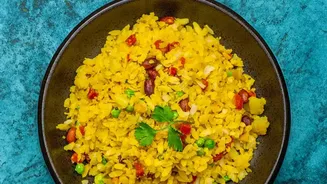
Before we get to the toppings, it’s important to understand the canvas. Unlike many other parts of India where poha is sautéed, Indori poha is gently steamed. This method gives the flattened rice a uniquely soft, fluffy, and light texture that almost
melts in your mouth. It’s seasoned subtly, often with fennel seeds, turmeric, and a hint of sweetness, creating a delicate base that is designed to be adorned. This preparation ensures the poha is never dry or greasy, making it the perfect vehicle for the explosion of flavours and textures that are about to be piled on top. It’s a gentle start to a dish that is anything but plain.
The Crunchy Companions: Sev and Onions
Here is where the transformation begins. A generous heap of sev is the first non-negotiable addition. This isn't just any sev; it’s often the spicy, crispy Ratlami or Indori sev, thin chickpea flour noodles that provide a crucial textural contrast to the soft poha. Alongside the sev comes a spoonful of freshly chopped raw onions, adding a pungent crunch and a layer of freshness. Some vendors even add masala boondi or glistening pomegranate arils for an extra pop of sweetness and texture. This combination of soft, crunchy, and fresh in a single bite is fundamental to the Indori poha experience.
The Secret Weapon: Jeeravan Masala
If there is one ingredient that truly defines Indori poha, it is Jeeravan masala. This is not your everyday chaat masala. Originating from Madhya Pradesh, Jeeravan is a complex and aromatic spice blend built around a base of roasted cumin (jeera). It typically includes other spices like coriander, fennel, black salt, dry mango powder, and ginger powder. Sprinkled generously over the dish just before serving, Jeeravan adds a distinctive tangy, spicy, and earthy flavour that ties everything together. Many poha vendors have their own fiercely guarded recipes for this masala, making their version unique. To eat Indori poha without Jeeravan is to have an incomplete experience.
The Unlikely Partner: A Side of Jalebi
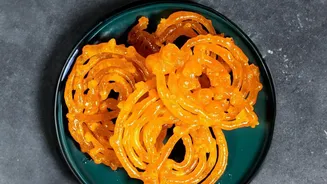
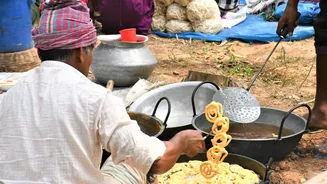
Just when you think the flavour profile is complete, Indore throws in a delightful curveball: a hot, crispy jalebi. The pairing of savoury, spicy poha with a sweet, syrupy jalebi is an iconic breakfast combination in the city. This tradition of mixing sweet and savoury elevates the dish from a simple snack to a complete meal and a celebrated morning ritual. Taking a bite of the tangy poha and following it with a piece of sugary jalebi creates a flavour contrast that is both surprising and immensely satisfying. It’s this sweet and savoury harmony that truly captures the unpretentious, inventive joy of Indore's food culture.
More Than a Meal: A Cultural Ritual
Ultimately, what comes with poha in Indore is not just a collection of ingredients, but a culture. The dish traces its local roots to the Maratha Holkars who brought poha from Maharashtra, but the city gave it a whole new identity. It's an accessible and affordable meal, enjoyed by everyone from students to labourers and professionals. It’s the fuel that starts the day, sold from countless street stalls where morning traffic often slows down. Eating poha in Indore is a social event—a moment to gather with friends or colleagues around a crowded stall, turning a simple breakfast into a shared experience.