


A Blossom's Precious Secret
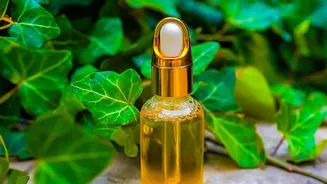
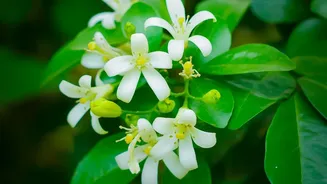
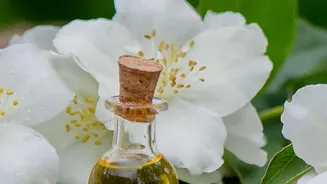
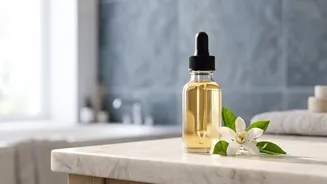
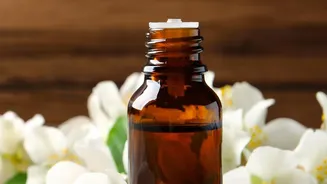
Neroli oil is the essential oil produced from the fragrant white flowers of the bitter orange tree, known botanically as Citrus aurantium amara. Though the tree provides three distinct essential oils—bitter orange from the fruit peel and petitgrain from the leaves—neroli,
extracted from the blossoms, is by far the most precious. The scent itself is a study in contrasts: bright and citrusy, yet sweet, honeyed, and subtly spicy. This unique aromatic profile has made it a darling of the perfume world for centuries, forming the backbone of classic Eau de Cologne. But beyond its captivating fragrance lies a host of benefits that make it a powerhouse ingredient in modern skincare.
From Flower to Flask: An Art of Extraction
The journey from flower to oil is a testament to its value. The blossoms are typically harvested by hand in late April and early May in regions like Tunisia and Morocco. To capture their volatile essence, the flowers undergo steam distillation. In this process, steam passes through the blossoms, rupturing the tiny sacs containing the aromatic oil. This fragrant vapour is then cooled, which turns it back into a liquid, allowing the precious neroli oil to be separated from the water. The process is incredibly labour-intensive; it takes about 1,000 pounds of hand-picked blossoms to produce just one pound of neroli oil, explaining its high cost and luxurious status.
A Royal History
Neroli's legacy is steeped in aristocratic history. It is widely believed to have been named after Anne Marie Orsini, the 17th-century princess of Nerola, Italy. She was so captivated by the scent of the bitter orange blossom that she used it to perfume her gloves, her bathwater, and her stationery, popularising it among the European nobility. Before her, the oil was used in ancient Egypt and Persia for rituals and perfumery. Historically, the blossoms were also woven into bridal bouquets and headdresses as a symbol of purity and love.
The Glow-Giving Benefits for Skin
Neroli oil’s appeal goes far beyond its scent. For the skin, it’s a multi-talented marvel. One of its most celebrated properties is its ability to signal skin cell regeneration, making it a fantastic choice for improving the appearance of scars, stretch marks, and fine lines. It's also an excellent moisturiser that helps the skin retain hydration, leaving it feeling soft and supple without being greasy. For those with combination or oily skin, neroli helps balance sebum production, refining pores without stripping the skin's natural moisture barrier. Furthermore, its anti-inflammatory and antibacterial properties can help calm redness and irritation, making it suitable even for sensitive and acne-prone skin types.
A Calming Scent for the Mind
The benefits of neroli are not just skin-deep. In aromatherapy, it is revered for its profound calming effect on the nervous system. Inhaling its scent has been shown to help reduce feelings of stress and anxiety. Some studies suggest that when inhaled, neroli may help the brain release serotonin and lower levels of cortisol, the body’s primary stress hormone. This makes it a powerful tool for promoting a sense of peace and well-being, whether diffused in a room, added to a bath, or simply inhaled from a bottle during a stressful moment.
How to Weave Neroli into Your Life
Incorporating this liquid gold into your routine is simple. Because essential oils are highly concentrated, it’s best to dilute neroli with a carrier oil like jojoba or sweet almond oil before applying it to the skin. You can add a few drops to your favourite unscented moisturiser or body lotion for a regenerative boost. For a moment of calm, add a few drops to a diffuser or a warm bath to let the aroma work its magic. A facial steam with neroli-infused water can also provide both skin and aromatherapy benefits. As with any new skincare product, it's wise to perform a patch test on a small area of skin first to ensure you don't have a sensitivity, especially if you have known citrus allergies.