

What Exactly Is Floating Yoga?
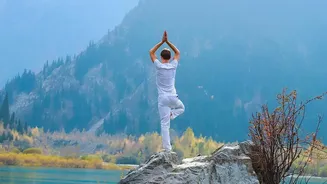
Floating yoga, more formally known as Stand-Up Paddleboard (SUP) yoga, is the practice of performing yoga poses on a paddleboard while floating on water. Instead of a stable, predictable mat on a studio floor, your practice unfolds on a board that gently
moves with the water, creating a dynamic new challenge. Typically held on calm bodies of water like lakes, bays, or slow-moving rivers, this activity merges the physical discipline of yoga with the unique core workout of paddleboarding. It’s an experience that invites you to connect with nature while enhancing your physical and mental well-being in a completely fresh way.
A New Level of Core Strength and Balance
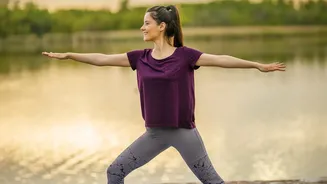
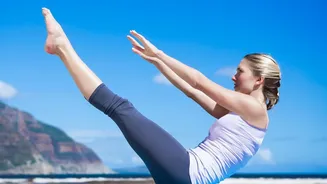
The most immediate physical benefit of SUP yoga is the incredible core workout. The unstable surface of the water means your body has to constantly make tiny adjustments to maintain balance, engaging your core muscles in a way that solid ground simply can't replicate. This continuous engagement helps build superior core strength, stability, and posture. Every pose, from a simple seated twist to a more ambitious Warrior II, becomes a full-body exercise. Your stabiliser muscles in your legs and feet also get a workout, helping to improve your overall balance and proprioception, which is your body's awareness of its position in space. Many find they are sore in muscles they didn't even know they had after their first session.
The Mindfulness Factor: A Deeper Focus
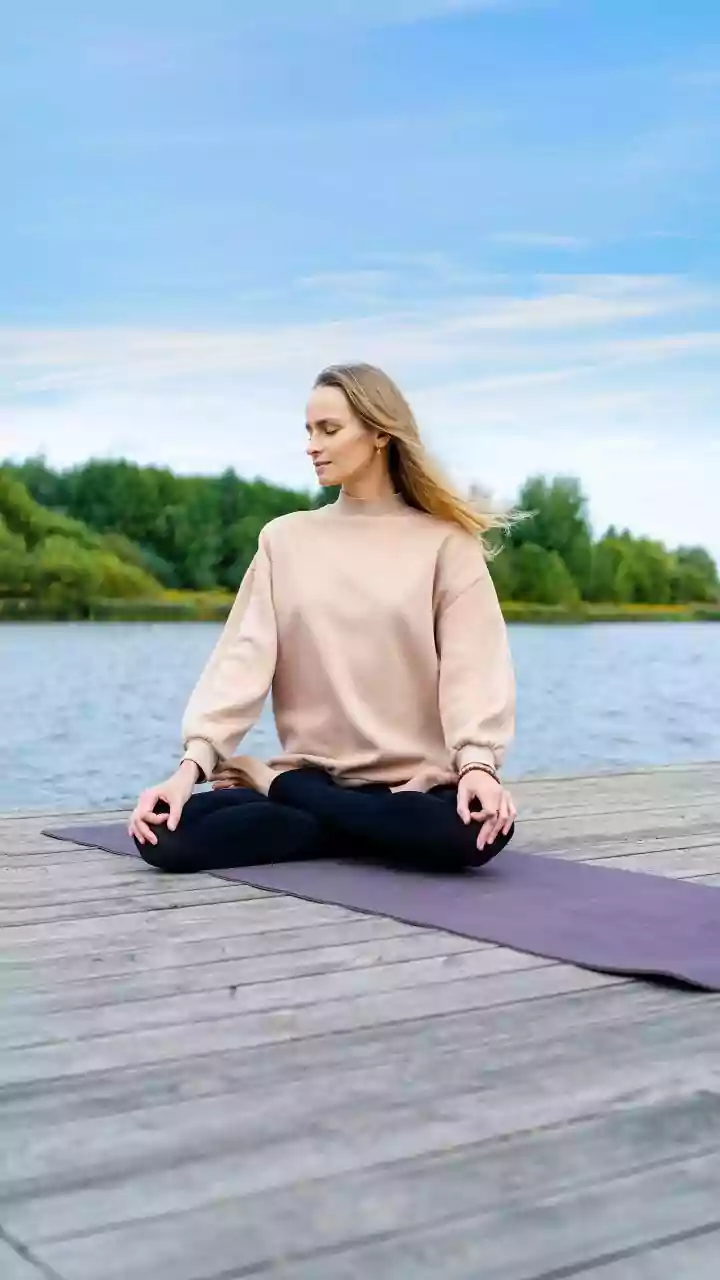
Beyond the physical challenge, floating yoga offers profound mental benefits. The need to stay balanced demands a heightened level of focus and concentration. This 'gently forces' you to be mindful, pulling your attention away from distracting thoughts and into the present moment. You can't just go through the motions; you have to be intentional with every breath and movement to keep from taking an unexpected dip. Being surrounded by nature amplifies this effect. The sound of water lapping against the board, the feeling of the sun on your skin, and the wide-open sky create a deeply calming and meditative environment that reduces stress and anxiety. Many practitioners find the final relaxation pose, Savasana, to be the most blissful part, as you lie back and gently drift with the rhythm of the water.
Is It Difficult for Beginners?
The idea of holding a yoga pose on a wobbly board can seem intimidating, but SUP yoga is surprisingly accessible to newcomers. Classes are designed for all levels, and you don't need to be an expert yogi or a seasoned paddleboarder to participate. Instructors typically begin with a brief lesson on paddling and how to stay stable on the board. The class then progresses through simple, low-to-the-board poses like seated and kneeling postures before attempting standing ones. Boards used for yoga are generally wider and more stable than standard paddleboards. And what if you fall in? Most people do at some point, and it's considered part of the fun and learning process. The experience is less about perfect poses and more about playing, laughing, and trying something new.
What to Expect in Your First Class
A typical SUP yoga class lasts about an hour to 90 minutes. You’ll start on land with a safety briefing before heading out onto the water for a short warm-up paddle to get comfortable on your board. The boards are usually anchored in place so you don't drift away from the group. As for what to wear, think quick-drying athletic clothes or swimwear—anything you’d be comfortable moving in and potentially getting wet. Avoid heavy cotton fabrics. The focus is on finding your own level of challenge and enjoying the unique experience. You'll leave feeling refreshed, accomplished, and perhaps with a new appreciation for both your own capabilities and the tranquility of nature.