


What Exactly is a Water Chestnut?
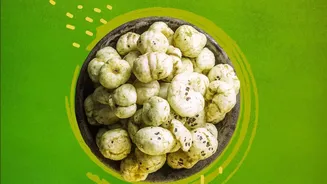
Despite its name, the water chestnut is not a nut at all. It is an aquatic tuber vegetable that grows in freshwater marshes, ponds, and slow-moving rivers. In India, it's widely known as singhara or paniphal and has been cultivated for thousands of years.
Known for its distinctive triangular or horn-like shape and dark, muddy skin, the true prize is the crisp, white flesh inside, which boasts a mildly sweet flavour. It's important to distinguish the Indian singhara (Trapa natans) from the Chinese water chestnut (Eleocharis dulcis), which is smaller, rounder, and commonly found in cans. Both offer a satisfying crunch, but the singhara is the seasonal star of Indian markets, particularly during the monsoon and early winter months.
A Nutritional Powerhouse
Don't let its humble appearance fool you; the singhara is packed with health benefits. It is remarkably low in calories and fat, with a high water content (about 74%), making it a hydrating and weight-loss-friendly food. It's a great source of dietary fibre, which aids digestion, helps regulate blood sugar levels, and can reduce cholesterol. Water chestnuts are also rich in essential minerals, particularly potassium, which is vital for heart health as it helps manage blood pressure by counteracting the effects of sodium. They also provide a good dose of manganese, copper, and vitamins B6 and E, alongside a wealth of disease-fighting antioxidants like flavonoids and polyphenols.
The Raw Delight: Crisp and Refreshing
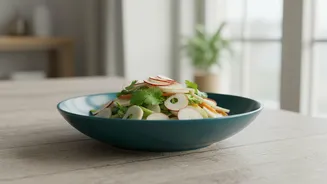
One of the simplest and most refreshing ways to enjoy singhara is to eat it raw. After a thorough wash to remove any mud, the tough outer skin can be peeled away with a paring knife to reveal the white flesh. Raw water chestnuts have a wonderful, crisp texture similar to an apple and a subtly sweet, almost coconut-like taste. Street vendors often sell them peeled and ready to eat, sometimes sprinkled with a little salt or chaat masala. This method preserves the maximum amount of nutrients and provides an instant, hydrating snack perfect for a humid monsoon day. Their satisfying crunch makes them a fantastic addition to fresh salads, adding texture and a hint of sweetness.
The Comfort of Cooked Versatility
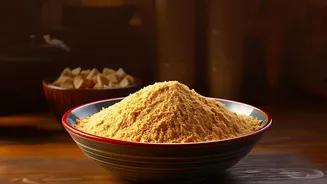
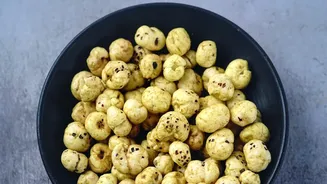
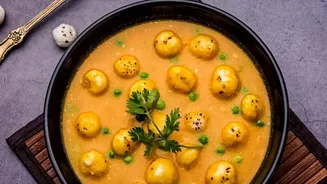
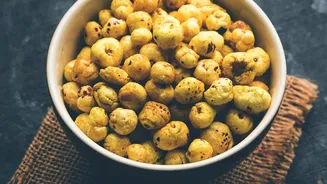
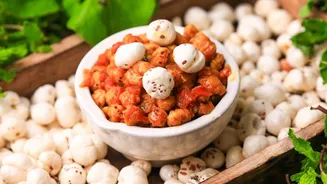
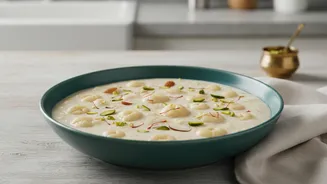
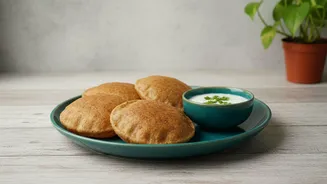
When cooked, the water chestnut's texture transforms, becoming softer yet retaining a pleasant bite, unlike many other vegetables. Boiling or pressure cooking is a popular preparation method. Once boiled for about 30-35 minutes until the flesh is tender, they can be peeled and eaten as a warm snack, often seasoned with salt and lemon juice. Beyond a simple snack, cooked singhara is incredibly versatile. It can be chopped and added to stir-fries, sabzis, and curries, where it absorbs the flavours of the dish while providing a unique texture. The dried fruit is ground into a fine powder to make singhare ka atta (water chestnut flour). This gluten-free flour is a staple during religious fasts like Navratri and is used to make everything from rotis and puris to cheelas and a rich, nutty-tasting halwa.
Choosing and Storing For Freshness
When buying fresh water chestnuts, look for ones that are firm to the touch, with smooth, unwrinkled skin. They should feel heavy for their size, which indicates high water content and freshness. Avoid any that are soft, mouldy, or have a shrivelled appearance. To store them, keep unpeeled singhara in a paper bag in the refrigerator, where they can last for up to a week or ten days. If you've already peeled them, they should be submerged in water in an airtight container in the fridge and consumed within a couple of days, changing the water daily to maintain their crispness.