






A New Era of Atomic Diplomacy
In late July 2026, U.S. and Saudi officials finalized a peaceful nuclear cooperation agreement, often called a "123 agreement," after Section 123 of the U.S. Atomic Energy Act. This legal framework sets the terms for the transfer of nuclear technology,
materials, and expertise for civilian purposes. The deal, which has been negotiated across multiple U.S. administrations, lays the groundwork for a multi-billion-dollar, 30-year partnership. The primary goal is to allow American companies to play a central role in building Saudi Arabia's planned nuclear power sector, a move expected to generate significant revenue and jobs in the U.S. nuclear industry. The agreement was signed by U.S. Secretary of Energy Chris Wright and Saudi Minister of Energy Prince Abdulaziz bin Salman.
Beyond Oil: A Vision for 2030
For Saudi Arabia, this agreement is a critical component of its ambitious Vision 2030 plan. The Kingdom is determined to diversify its economy and energy sources, reducing its heavy reliance on burning oil for domestic electricity. By developing a significant nuclear power capacity—with plans for up to 17 gigawatts of electricity—Saudi Arabia can free up more crude oil for export, boosting state revenue. The demand for power is surging due to population growth and massive new industrial and technology projects, including power-hungry AI data centers. Nuclear energy offers a source of carbon-free, baseload power to meet these growing needs, aligning with both economic and climate goals.
The US Strategic Calculation
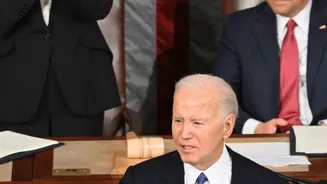
Washington's motives are multifaceted. Firstly, the deal is a major commercial opportunity for the U.S. nuclear industry, particularly companies like Westinghouse. Secondly, it's a strategic move to keep Saudi Arabia firmly within the U.S. orbit and prevent rivals like China or Russia from gaining a foothold in the Kingdom's nuclear development. Thirdly, the agreement is seen as a tool to reshape regional dynamics. Shortly after the deal was announced, President Donald Trump stated that its implementation would be contingent on Saudi Arabia joining the Abraham Accords and normalizing relations with Israel, a major U.S. foreign policy goal. This links the nuclear cooperation directly to a broader vision for a more integrated and U.S.-aligned regional security structure.
The Inevitable Proliferation Question
Despite the 'peaceful' designation, the deal has sparked significant concern among nonproliferation experts. A key point of controversy is whether Saudi Arabia will be permitted to enrich uranium on its own soil. While some countries with nuclear power import their fuel, Saudi Arabia has long insisted on the right to develop the full nuclear fuel cycle. The agreement reportedly includes a two-year joint study to assess the viability of domestic enrichment, potentially deferring the most contentious decision. Critics worry this sets a dangerous precedent, especially since the deal does not appear to hold Saudi Arabia to the 'gold standard' agreement the U.S. signed with the UAE, which explicitly forbade enrichment. Concerns are heightened by the fact that Saudi leaders have previously stated they would pursue a nuclear weapon if Iran obtains one.
Regional Ripples and Safeguards
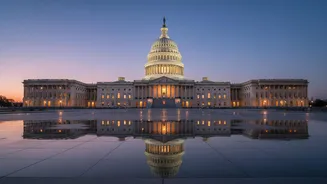
The agreement will be submitted to the U.S. Congress for review, where it could face opposition from lawmakers concerned about a potential nuclear arms race in the Middle East. The deal also reportedly does not require Saudi Arabia to adopt the International Atomic Energy Agency's (IAEA) 'Additional Protocol,' which grants inspectors more robust and short-notice access to verify that a nuclear program remains peaceful. This departure from established international safeguards has alarmed analysts, who fear it could weaken the global nonproliferation regime. Israel has reportedly expressed concern that the deal could trigger regional proliferation. The future of the agreement and its impact on regional stability now rests on a complex interplay of commercial interests, strategic allegiances, and the strength of the safeguards meant to keep the program entirely peaceful.