




The climate crisis is often called a shared challenge, but a stunning new report from Oxfam argues it is a story of profound injustice. While the world's most vulnerable face disaster, a select few are cashing in on the chaos.
The 'Double Dividend' of Climate Chaos
According to Oxfam's 'Disaster
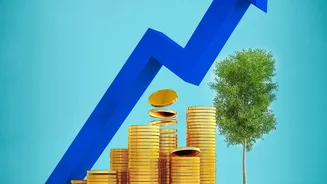
Divide' report, the world's wealthiest individuals and corporations are not just the primary drivers of climate change; they are also finding ways to profit from its devastating consequences. This creates what the organisation calls a 'double dividend'. First, they profit from continued investments in high-polluting industries like fossil fuels. Second, they profit again by investing in the booming 'disaster economy'—selling recovery and rebuilding services to a world grappling with more frequent and intense weather events. This market for disaster preparedness, recovery, and reconstruction is projected to grow from $70 billion to $92 billion a year by 2029, creating a perverse incentive to delay meaningful climate action.
An Astonishing Carbon Gap
The report highlights the staggering disparity in carbon emissions. The richest 0.1% of the world's population, roughly 8 million people, are responsible for more carbon emissions than the poorest 3.5 billion people combined. A person in this elite group has contributed nearly 400 times more to extreme heatwaves than someone in the poorest half of humanity. These emissions have dire human costs. Oxfam estimates that just one year of emissions from the richest 1% will lead to 1.9 million excess heat-related deaths in the coming years, with the vast majority of these deaths occurring in low and middle-income countries that have done the least to cause the crisis.
How Profit Worsens Suffering
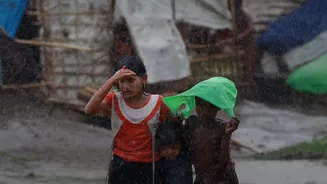
Climate profiteering actively deepens global inequality. When disasters strike, the wealthy can afford to shield themselves with private insurance, high-tech bunkers, or by simply moving to safer locations. The majority of the world's population, however, is left exposed. Deaths from floods, for instance, are seven times higher in more unequal countries. Furthermore, when extreme weather hits food production, big corporations and their investors often benefit from soaring prices, while small-scale farmers and consumers suffer. In one example, after extreme weather in West Africa caused cocoa prices to surge, local farmers reportedly saw none of the financial gains.
The Investment Web Fueling the Crisis
Oxfam's 'Destroy & Rebuild Index' identifies 217 corporations that are either fueling climate breakdown or profiting from disaster recovery. The report points a finger at major asset managers who advise wealthy investors. Two of the world's largest, BlackRock and Vanguard, have shares in 92% of the companies in this index, with combined investments totaling over $1 trillion. This intricate web of investment shows how the financial system supports both the cause and the consequence, creating a vicious cycle where pollution generates profit, which in turn generates more profit from the resulting cleanup and reconstruction efforts.
A Call for Climate Justice
In response to this crisis of inequality, Oxfam is calling for systemic change. The organisation urges governments to 'make rich polluters pay'. Their proposals include implementing permanent wealth and income taxes on the super-rich, placing a permanent tax on the windfall profits of fossil fuel corporations, and introducing punitive taxes on high-emission luxury items like private jets. They also advocate for a fundamental shift in international climate finance, moving away from loans that saddle developing nations with debt and toward grant-based support. The core message is clear: without tackling extreme inequality and curbing the power of the wealthiest polluters, a just and sustainable future remains out of reach.