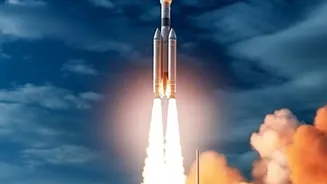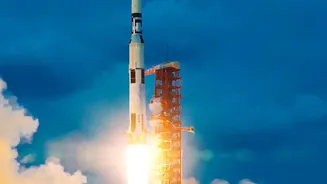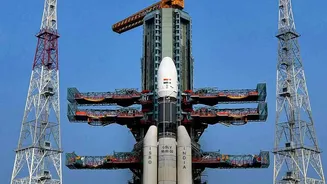


World Space Week is underway from October 4-10, and this year’s theme, 'Rocket Revolution,' is more than a catchy phrase. It signals a fundamental shift in how humanity reaches for the cosmos, driven by new technology and commercial ambition.
What is the 'Rocket Revolution'?
For decades,
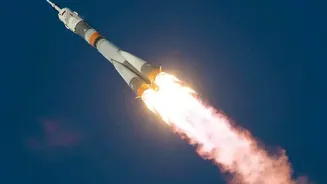
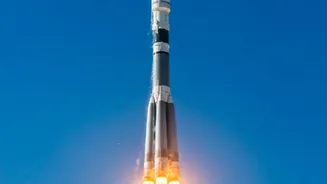
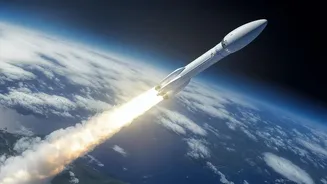
space was the exclusive domain of a few powerful governments. Rockets were built for a single mission and then discarded, making every launch a monumental expense. The 'Rocket Revolution' refers to the rapid and dramatic change in this paradigm. At its core are reusable rockets, pioneered by commercial companies, which can return to Earth, refuel, and fly again. This shift is drastically cutting launch costs, by up to 65 percent in some cases, and increasing the frequency of missions. It's a transition from bespoke, disposable machines to a more sustainable and economical model of space access, expanding who can participate, from startups and universities to a growing number of countries.
The Engines of Change
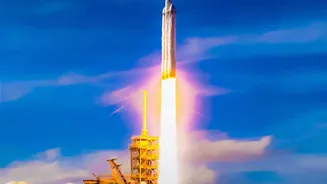
Several interlocking technologies are fuelling this revolution. Reusable boosters that perform controlled vertical landings are the most visible innovation, turning a multi-million dollar component into a reusable asset. This has slashed the cost of launching a kilogram of payload significantly, with projections suggesting it could fall even further by the end of the decade. Beyond reusability, advancements in manufacturing, like 3D printing of complex engine parts, and the development of new, more efficient propellants are making rockets quicker and cheaper to build. Simultaneously, the emergence of smaller launch vehicles provides more flexible and dedicated options for organisations wanting to send smaller satellites into orbit.
A New Commercial Space Race
This technological disruption has ignited a new economic frontier. While government agencies like NASA and ISRO remain crucial, a dynamic ecosystem of private companies now leads much of the innovation. Companies like SpaceX and Blue Origin are not just launch providers; they are developing next-generation, heavy-lift rockets capable of carrying over 100 metric tonnes, enabling ambitious projects like lunar habitats and missions to other planets. This commercial drive is creating new industries, from satellite internet constellations to the nascent field of space tourism, and fostering global competition and collaboration. This week, a satellite developed by Italian space company Argotec in partnership with Rheinmetall was launched aboard a SpaceX Falcon 9, highlighting the international commercial activity.
India's Ascent in the New Order
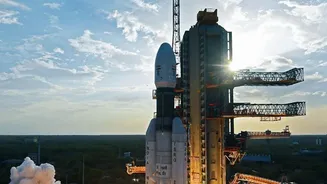
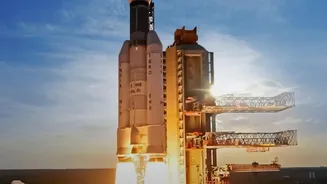
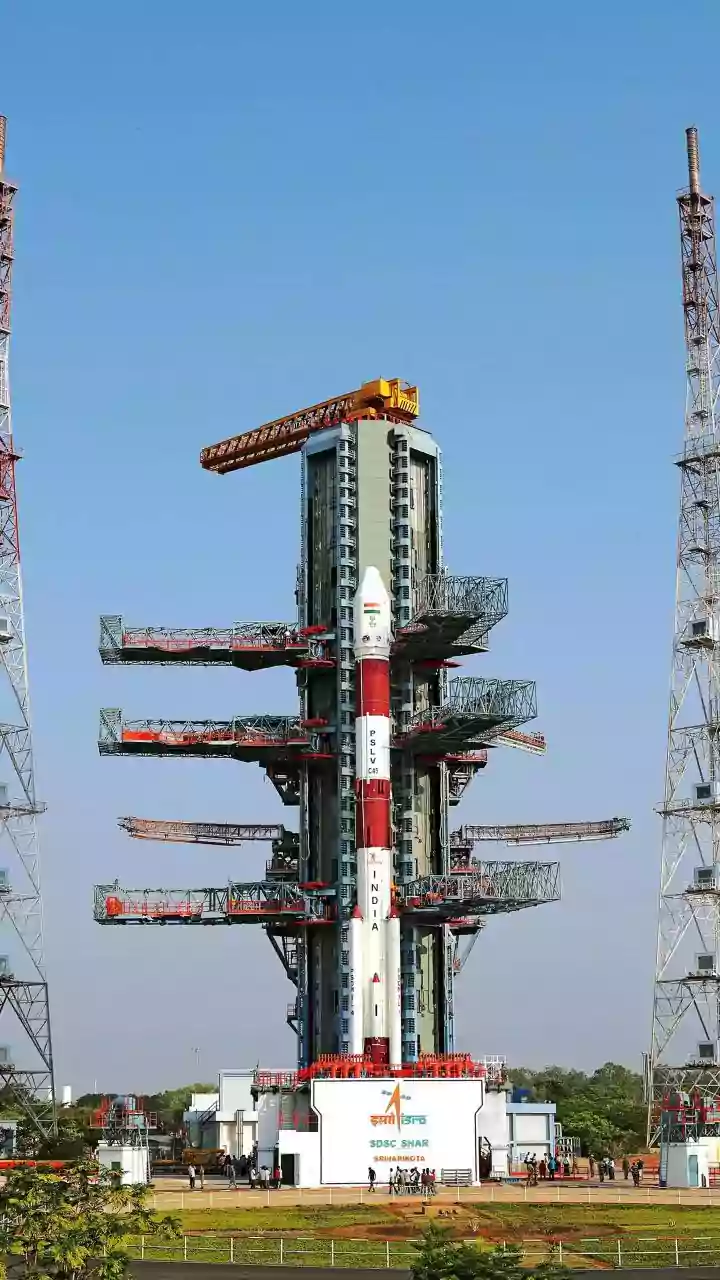
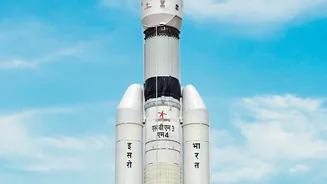
The 'Rocket Revolution' theme is particularly relevant for India, which is rapidly expanding its own space capabilities. The Indian Space Research Organisation (ISRO) has a fleet of reliable launch vehicles, but the nation is also embracing the global shift. The Indian Space Policy of 2023 formally opened the entire value chain to private enterprise, streamlining the process for startups to innovate and contribute. A major milestone was achieved this year with the first successful orbital launch by a private Indian company, Skyroot Aerospace, with its Vikram-1 rocket. As ISRO develops its own reusable launch technology, the combination of government expertise and private sector agility positions India to be a significant player in this new, more accessible era of space exploration.