








In a significant push towards green logistics, Amazon is moving to electrify its middle-mile freight operations in India. This initiative extends beyond last-mile delivery, targeting the heavy-duty transport that forms the backbone of its supply chain.
The Blueprint for Electric Freight
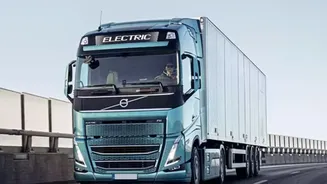
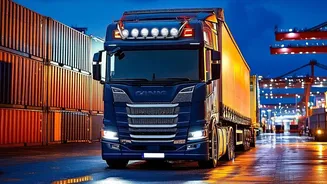
Amazon recently announced a major collaboration with Tata Motors to deploy 3,000 electric trucks across its Indian transportation network over the next three years. This marks the largest electric truck deployment by any e-commerce company in the country and signals a strategic shift from electrifying last-mile delivery scooters and vans to decarbonizing its long-haul and inter-city freight movement. The first batch of these trucks, specifically the Tata Ultra E.7 model, was flagged off in Delhi to coincide with the busy festive season. Under the agreement, Amazon’s carrier partners will own and operate the vehicles, with Tata Motors providing the trucks and operational support.
Targeting India's Busiest Routes
The initial rollout is focused on intra-city freight movement in Delhi, handling the surge in shipments between fulfilment centers and sorting hubs. However, the plan's more ambitious second phase involves electrifying major national highways. The prime target is the 2,800-kilometre Delhi-Bengaluru-Chennai corridor along National Highway 48. This vital artery spans seven states and connects six of India's largest e-commerce regions, making it a critical test case for the viability of long-haul electric trucking. Success on this corridor could pave the way for wider adoption across the nation's logistics network.
Why Go Electric Now?
Amazon's move is driven by a combination of corporate sustainability goals and evolving market dynamics. The company is a co-founder of The Climate Pledge, which aims for net-zero carbon emissions by 2040, a decade ahead of the Paris Agreement's target. Electrifying its transportation network is central to achieving this goal. The company has already surpassed its initial target of deploying 10,000 EVs in India by 2025, with over 15,000 electric vehicles currently in its fleet for last-mile delivery. This new phase tackles the 'middle-mile', which is often the most difficult part of the supply chain to decarbonize due to heavier loads and longer distances. Furthermore, government initiatives like the PM E-DRIVE scheme and Production Linked Incentive (PLI) schemes for automobiles are creating a more favourable environment for EV adoption.
Overcoming Significant Roadblocks
Despite the ambitious plans, the transition to electric trucking faces considerable challenges. The most significant barrier is the high upfront cost of heavy duty electric trucks, which can be more than double the price of their diesel counterparts. This makes the total cost of ownership (TCO) a critical factor for fleet operators. Another major hurdle is the lack of adequate charging infrastructure. While Amazon is working with partners like Yahhvi to develop charging yards, scaling this infrastructure for megawatt level charging required by heavy trucks across vast corridors is a massive undertaking. Issues like vehicle range, battery degradation, and the higher GST on components compared to fully built vehicles also add complexity.
A Catalyst for Indian Logistics?
Amazon's large scale commitment could act as a powerful catalyst for India's entire logistics ecosystem. By creating sustained demand, it incentivizes vehicle manufacturers like Tata Motors to ramp up production and innovation in the electric truck segment. It also puts pressure on the industry to accelerate the build out of a national charging network. This initiative is moving electric trucking in India from small pilot programs to a phase of wider commercial adoption. While road freight accounts for over 70% of goods movement in India, heavy trucks are responsible for a disproportionate share of transport emissions. This makes the electrification of freight not just a business decision for Amazon, but a crucial step in India’s broader green transition and its goal of achieving Net Zero by 2070.