




The Salad That's Just Leaves
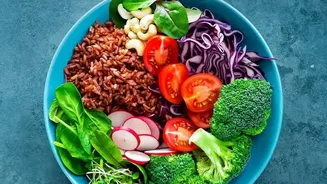
A big bowl of leafy greens with some cucumber and tomato might feel virtuous, but it's not a complete meal. This type of salad lacks the key macronutrients that signal fullness to your brain: protein, fibre, and healthy fats. Without them, your body digests
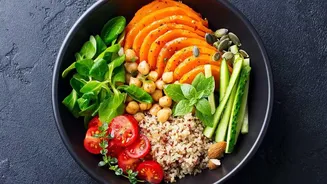
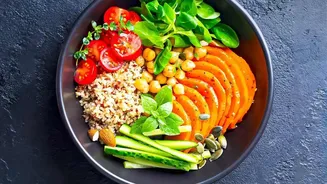
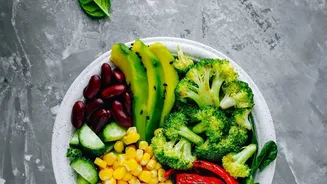
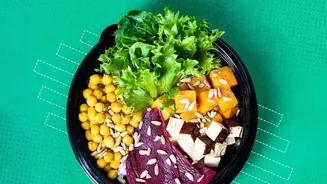
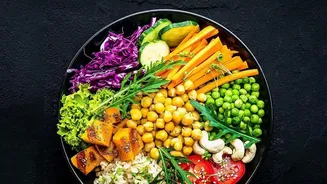
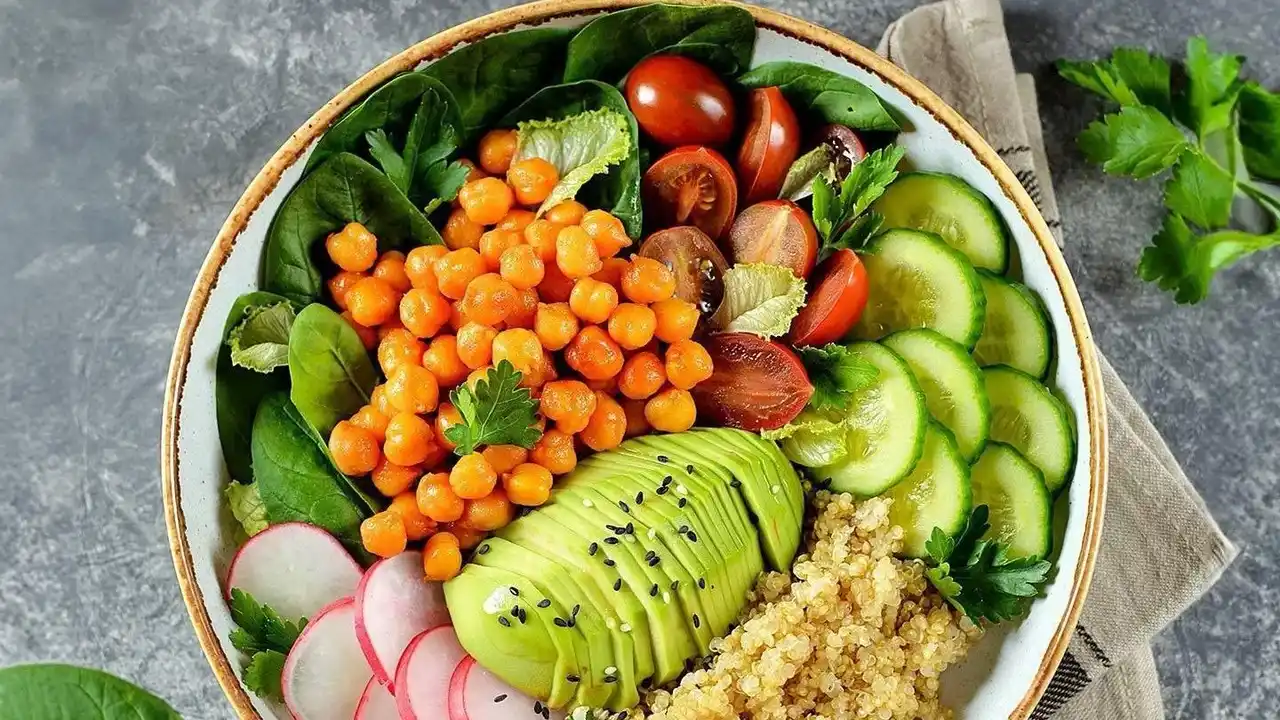
the meal rapidly, leading to hunger an hour or two later. It’s a classic mistake to simply remove meat from a plate without thoughtfully replacing it. A truly satisfying salad needs substance. Try adding a cup of chickpeas or lentils, grilled tofu or tempeh, or a generous handful of walnuts or almonds. These additions provide the protein and fibre necessary to slow down digestion and keep you feeling full for hours. Don't forget a dressing made with a healthy fat like olive oil or tahini to complete the meal.
The All-Carb Pasta Plate
Many new vegetarians fall into the trap of replacing meat with comforting but simple carbohydrates. A plate of plain pasta with a basic tomato sauce, white bread, or bagels can become a frequent go-to. While delicious, these refined carbs are digested quickly, causing a spike in blood sugar followed by a crash that triggers hunger pangs. Instead of relying on refined grains, make the switch to complex carbohydrates that contain more fibre. Opt for whole-wheat pasta, brown rice, quinoa, or farro as your base. More importantly, treat these grains as one component of your meal, not the entire thing. Ensure you're pairing them with a robust source of protein, such as beans, lentils, or plenty of vegetables to create a balanced, more satiating dish.
The Sugary, Fruit-Only Smoothie
A smoothie can be a fantastic, nutrient-dense meal, but one that contains only fruit and a liquid base is essentially a glass of sugar. It will digest very quickly, leaving you hungry shortly after. The key to a filling smoothie is to balance the fruit with protein and healthy fats. These components slow the absorption of sugar and provide sustained energy. To transform your smoothie from a snack into a meal, add a scoop of plant-based protein powder, a spoonful of nut butter, a quarter of an avocado, or a tablespoon of chia or flax seeds. These seeds absorb liquid and form a gel, which helps slow digestion and promote a feeling of fullness. Including a handful of spinach or kale is another easy way to boost the fibre content without dramatically changing the taste.
The Simple, Broth-Based Soup
A simple vegetable soup is hydrating and comforting, but if it's mostly broth with a few soft-cooked vegetables, it likely won't have the staying power to keep you full until your next meal. Calorie for calorie, solid foods and thicker textures tend to be more satiating than liquids. The act of chewing itself can even help send fullness cues to your brain. To make your soup a hearty and satisfying meal, you need to increase its density with protein and fibre. Bulk it up by adding a generous amount of lentils, beans, barley, or diced potatoes. Serving it alongside a slice of whole-grain bread for dipping can also add to the meal's staying power.
Relying on Processed Veggie Snacks
Just because a snack is labelled 'vegetarian' or 'plant-based' doesn't automatically make it healthy or filling. Many packaged veggie chips, crackers, and granola bars are highly processed and can be high in refined carbohydrates, unhealthy fats, and sugar while offering little in the way of protein or fibre. These snacks can contribute to that cycle of eating but never feeling truly satisfied. Instead of reaching for a processed snack, focus on whole foods. A handful of almonds, an apple with peanut butter, carrots with hummus, or Greek yogurt (if you include dairy) are far more likely to curb your hunger effectively. Planning ahead and having these whole-food options on hand can prevent you from reaching for less satisfying choices.