


When Good Training Isn't Enough
As a dedicated pet owner, it’s frustrating when your dog or cat doesn't respond to consistent training. You practice commands, manage their environment, and provide plenty of love, yet the behavioural issues persist. Whether it's unexplained aggression,
constant anxiety, destructive chewing, or hyperactivity, it’s easy to feel like you’re failing. But what if the problem isn’t in their mind, but in their gut? Before you blame your training methods or your pet's personality, it’s worth considering a hidden factor: physical discomfort. Pain and internal distress are common drivers of behavioural changes. When a pet is feeling unwell, their capacity to learn and regulate their emotions plummets.
The Gut-Brain Axis: Your Pet's 'Second Brain'
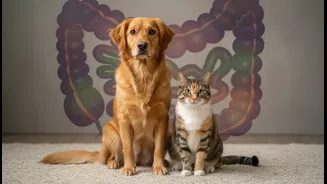
The secret lies in the 'gut-brain axis,' a complex communication network connecting the gastrointestinal tract directly to the brain. Think of your pet's gut as a 'second brain'. This system is a two-way street; stress and anxiety can cause digestive upset, and conversely, poor gut health can send distress signals to the brain, influencing mood and behaviour. The gut produces a significant amount of the body's neurotransmitters, like serotonin—the 'happy chemical'. In fact, some sources suggest up to 90% of serotonin is made in the gut. If the gut's microbial environment is out of balance (a condition called dysbiosis), it can disrupt the production of these crucial mood regulators, leading to increased anxiety, irritability, and a lower threshold for stress.
Signs of Underlying Gut Discomfort
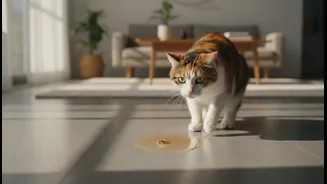
The signs of gut trouble aren't always as obvious as vomiting or diarrhoea. While those are clear red flags, discomfort can be more subtle. Pay attention to both physical and behavioural changes. Physical signs can include changes in appetite, excessive gas, bloating, recurrent skin or ear infections, and frequent anal gland issues. Behavioural symptoms are often mistaken for personality traits or training failures. These can include a sudden increase in aggression or reactivity, restlessness, lethargy, obsessive licking of paws or surfaces, pacing, and difficulty concentrating during training sessions. A normally social pet might become withdrawn, or a calm pet might suddenly seem on edge. These changes are clues that something is physically wrong.
A Holistic Path to a Happier Pet
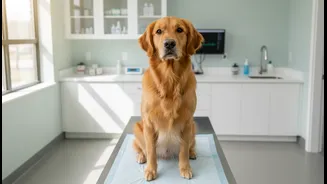
Addressing these behaviours requires a holistic approach that looks beyond simple commands. The first step is to become a detective. Keep a log of your pet's symptoms, noting both their digestive patterns (stool consistency, appetite) and their behavioural shifts. Next, schedule a visit with your veterinarian. Share your observations and specifically ask about the possibility of gastrointestinal issues. Your vet can run diagnostic tests to rule out or identify underlying medical conditions, from food allergies and parasites to more serious inflammatory diseases. Based on the diagnosis, your vet may recommend dietary changes, such as a novel protein diet, or the addition of supplements like probiotics and prebiotics to restore a healthy gut microbiome.
Where Training Fits Back In
This doesn't mean you should abandon training altogether. Instead, it reframes its role. Once your pet's underlying physical discomfort is managed or resolved, they will be in a much better state to learn and engage. Their emotional resilience will be higher, and their reactivity lower. Training becomes the final, crucial step in helping them unlearn old habits and build new, positive associations. Think of it this way: you can't teach a child to read if they have a painful headache. By addressing the pain first, you create the right conditions for learning to succeed. The same principle applies to our pets. A healthy gut provides the foundation for a balanced mind and a trainable, happy companion.