

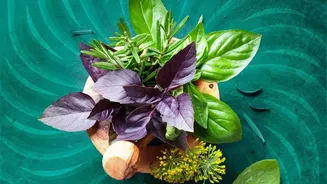

Beyond the Farm, Into the Forest
The farm-to-table movement has a new, wilder sibling. Across India, a growing number of chefs are championing a 'forest-to-table' philosophy, looking beyond cultivated produce to the abundance of wild herbs, flowers, fruits, and vegetables found in the country's
diverse landscapes. This is more than a hunt for novel flavours; it's a deep dive into India's biodiversity and a tribute to the indigenous communities who have been stewards of this knowledge for generations. Chefs like Vanika Choudhary of Mumbai's Noon and Prateek Sadhu of NAAR in Kasauli are at the forefront, creating dishes that spotlight ingredients that were once confined to local or tribal kitchens. Their menus are a celebration of terroir, offering a taste of place that is profoundly connected to the seasons and the wild environment.
A Taste of India's Wilderness
The ingredients being brought to the forefront are as varied as India itself. In the Himalayas, chefs are rediscovering the tangy power of sea buckthorn berries, the peppery notes of timru, and the delicate sweetness of golden Himalayan raspberries known as hisalu. Fiddlehead ferns, or 'lingdu', a monsoon delicacy, are appearing on urban plates, their crisp texture a reminder of the mountain forests where they grow. In the Western Ghats and central India, the tart karonda berry, floral mahua flowers, and wild mushrooms that appear after the rains are being transformed in modern kitchens. Even ingredients once considered weeds, like the tangy purslane, are being recognised for their unique flavours and nutritional value, finding their way into salads and chutneys.
Reviving Ancient Culinary Wisdom
This movement is fundamentally about connection and preservation. For many indigenous communities across India, foraging is not a trend but a way of life, a practice deeply woven into their cultural and culinary identity. Chefs are collaborating with these communities, learning from their deep-rooted ecological knowledge. Gayatri Desai of Ground Up in Pune, for instance, focuses on preserving the food traditions of tribes and foragers. This exchange is a two-way street; it provides chefs with unique, high-quality ingredients and provides a renewed sense of value and economic support for traditional knowledge holders. By bringing ingredients like Nagaland's smoked bamboo shoots or Jharkhand's forest-inspired foods onto fine-dining menus, these chefs are ensuring that ancient culinary wisdom is not lost but celebrated and passed on to a new generation of diners.
The Philosophy of Foraging
Underpinning this trend is a philosophy of sustainability and respect. True foraging is not about taking whatever you can find; it's about understanding ecosystems and harvesting responsibly. Chefs involved in this practice stress the importance of seasonality and ensuring that wild populations are not depleted. It’s a conscious move away from the standardisation of global food supply chains and towards a more authentic, place-based approach to eating. This shift encourages diners to think more deeply about where their food comes from and the stories behind it. It challenges the notion that fine dining must rely on imported luxury goods, proving that the most exquisite flavours are often found growing wild, right in our own backyards.