








A Groundbreaking Tourism Venture
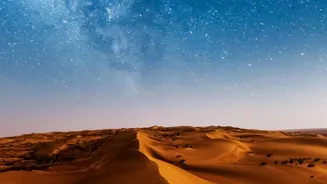
The arid landscapes of North Gujarat are poised for a dramatic transformation. The Central Zoo Authority (CZA) has officially given the green light to the Desert Zoological Park and Night Safari, a pioneering project located at Juna Deesa in Banaskantha
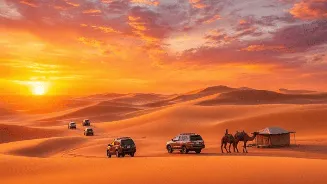
district. This isn't just another zoo; it's being developed by the Gujarat Forest Department as the continent's first-ever night safari specifically designed around a desert ecosystem. Spread over 103 hectares of government land, this ambitious undertaking comes with an estimated cost of ₹542.14 crore. The vision is clear: to create a world-class destination that champions wildlife conservation, boosts ecotourism, and provides a significant economic lift to the entire region.
What to Expect After Sunset
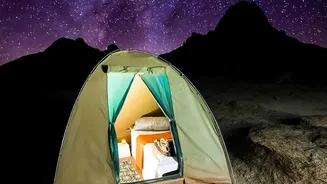
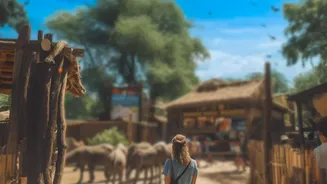
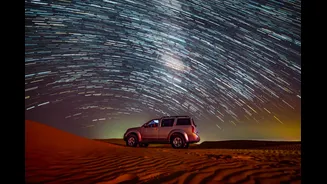
The main attraction is undoubtedly the international-standard, drive-through night safari. This unique format will allow visitors to observe nocturnal animals in specially designed, large-scale enclosures that mimic their natural habitats, all after the sun goes down. The park will feature a separate daytime zoo alongside five dedicated enclosures for the night safari experience. The entire park is being meticulously designed around the desert theme, utilising the area's natural sand dunes and arid terrain to create an authentic atmosphere. The plan is to house around 2,700 animals and birds from nearly 83 different species, creating a rich and diverse tapestry of wildlife for visitors to experience.
A Global Ark in the Gujarat Desert
The animal collection planned for the park is a fascinating mix of native and exotic species. From India, visitors can expect to see desert dwellers like the chinkara, blackbuck, and the majestic Indian wild ass, alongside predators like the Asiatic lion, leopard, caracal, and Indian wolf. But the vision extends globally. The park also plans to host iconic African species such as cheetahs, giraffes, and zebras, as well as Australian fauna like kangaroos and emus. This global collection serves a dual purpose: it offers an unparalleled visitor experience while also establishing the park as a crucial centre for conservation breeding, wildlife rescue, and rehabilitation efforts.
Building a New Tourism Circuit
This project is a key piece in a much larger puzzle to transform North Gujarat into a premier tourism hub. Officials envision the Deesa safari complementing other major attractions in the region, including the historic town of Vadnagar, the pilgrimage site of Ambaji, and the unique Nadabet 'Seema Darshan' project at the Indo-Pak border. By creating a network of diverse attractions, the goal is to encourage tourists to spend more time and explore the richness of the entire region. The project is also expected to be a major source of employment, stimulating the local economy and promoting sustainable development.
Sustainability at its Core
From its inception, the Desert Zoological Park has been designed with sustainability in mind. To minimise its environmental footprint, the project will incorporate a suite of green technologies. Plans include extensive rainwater harvesting systems to manage water resources in the arid region, a comprehensive sewage treatment plant, and modern solid waste management systems. Furthermore, the park will rely on solar energy to power its operations and will feature native plantations and green buffer zones to enhance the local ecosystem. This commitment ensures that the park not only showcases nature but actively works to protect it for the long term.