






The Vision: A 'Bharatiya Antariksha Station'
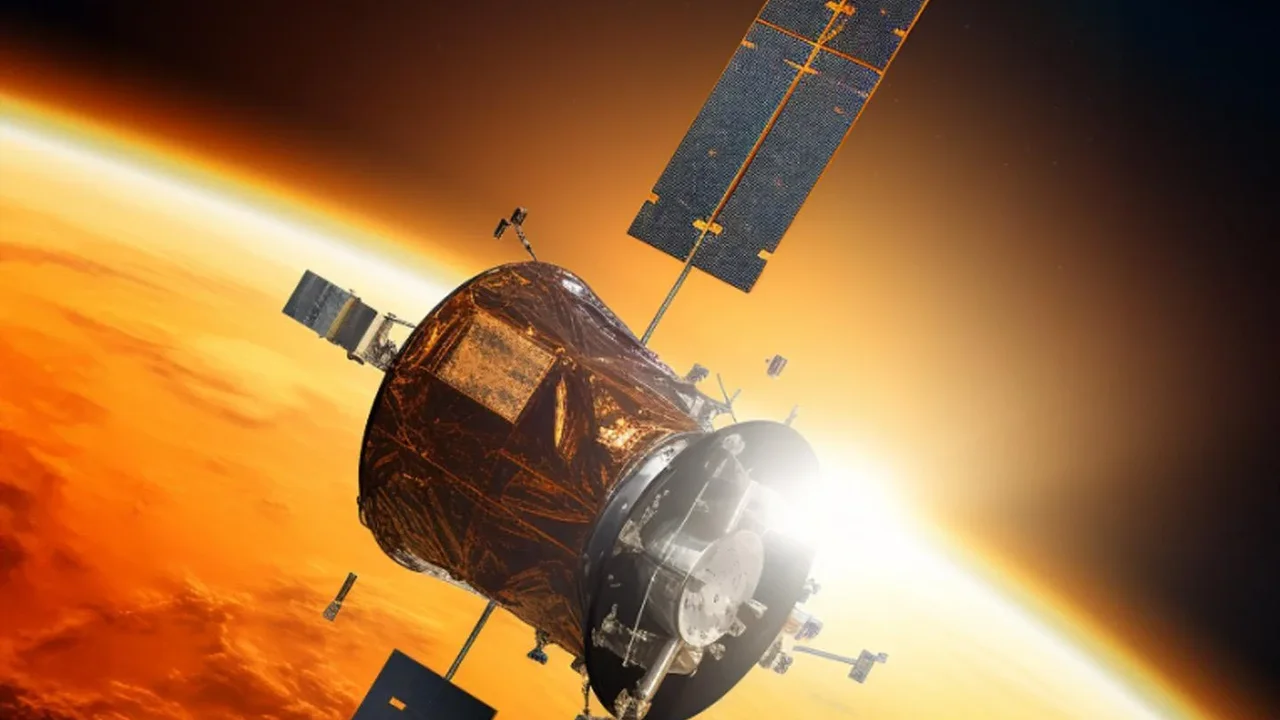
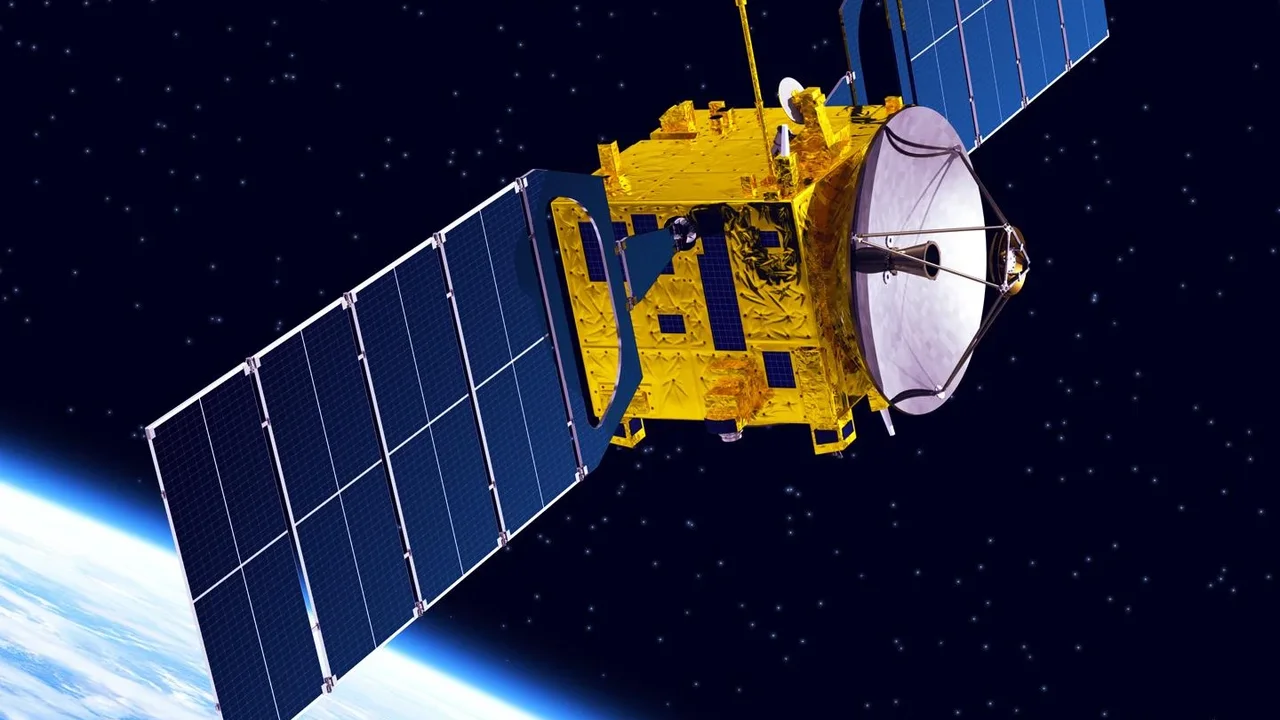
The ultimate goal is the creation of the Bharatiya Antariksha Station (BAS), a modular space station orbiting Earth at an altitude of about 400-450 kilometres. This isn't just about planting a flag in low Earth orbit; it's about establishing a state-of-the-art
laboratory in the sky. The vision, outlined by the government and driven by the Indian Space Research Organisation (ISRO), is for a platform where Indian astronauts can live and work for extended periods of three to six months. The station will enable long-term scientific research in microgravity, a unique environment that allows for breakthroughs in biotechnology, materials science, and human physiology. The 2035 completion date positions India to become only the fourth nation with its own space station, a significant leap in its space-faring capabilities and a key part of its broader space vision that extends to 2047.
The First Step: The 2028 Module
A project of this magnitude begins with a single, critical piece. For the BAS, that piece is the BAS-01 module, slated for launch in 2028. This initial component is far from a simple test object. Weighing approximately 10 tonnes, it is designed to be the foundational block, housing essential systems like life support, docking ports, and crew quarters. ISRO officials have confirmed that the baseline design and system engineering reviews for this module are complete, and development of prototype hardware is now underway. This means the project has moved from the drawing board to the factory floor. The BAS-01 will be launched using India's heaviest rocket, the LVM3, which has been human-rated as part of the Gaganyaan program. This first launch is the moment the physical construction of India's home in space officially begins.
Building on Gaganyaan's Foundation
The journey to a space station does not happen in isolation. It is the logical and ambitious successor to the Gaganyaan programme, India's inaugural human spaceflight mission. Gaganyaan is the crucial testing ground for all the technologies required to keep astronauts safe in space. Everything from the powerful LVM3 rocket to the crew escape systems, life support technology, and rendezvous and docking procedures are being developed and perfected for Gaganyaan. These very systems form the technological backbone of the Bharatiya Antariksha Station. By first proving its ability to send a crew to orbit and bring them back safely, India ensures it has the expertise and validated technology to build and operate a long-term orbital outpost. The space station is where the capabilities built by Gaganyaan will be put to continuous, productive use.
A Modular Approach to a Monumental Goal
Building a space station is like constructing a house in the most extreme environment imaginable. The plan is to do it piece by piece. The BAS will be a modular station, assembled in orbit over several years. Following the 2028 launch of the base module (BAS-01), ISRO plans to launch four subsequent modules, including a core-docking module and dedicated science and laboratory modules. Each will be launched separately and connected in orbit, gradually expanding the station's size and capabilities. This phased approach allows for testing and validation at each step, ensuring the integrity of the entire structure. While robotic operations might begin after the first module is in place, the full, five-module station is expected to be assembled and ready for sustained human activity by the 2035 deadline.