




What Exactly Is This Green Powder?
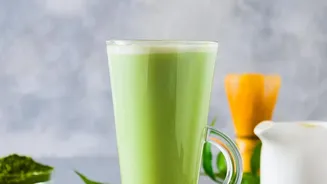
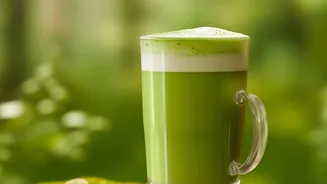
Matcha is a finely ground powder made from specially grown and processed green tea leaves, traditionally from Japan. Unlike regular green tea where you steep the leaves in hot water and then discard them, with matcha you whisk the powder into the water and consume
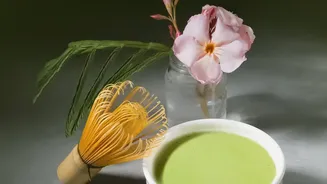
the entire leaf. This process gives it a more intense flavour, a thicker texture, and a brilliant green colour that has made it a star on social media feeds. The preparation itself is a ritual, often involving a special bamboo whisk and bowl, transforming a simple beverage into a mindful experience.
A Search for Wellness
So, why the sudden curiosity? A huge part of the answer lies in wellness. Recent Google search data from India shows a massive spike in interest, with searches for “how to make matcha” jumping by 1,300% in the past year. Queries about its health benefits have also soared. Matcha is packed with antioxidants, particularly a catechin called EGCG, which is believed to have anti-inflammatory properties and support heart health. It also contains a unique combination of caffeine and an amino acid called L-theanine. This pairing is known for providing a state of 'calm alertness', delivering a sustained energy boost without the jittery crash sometimes associated with coffee, making it an attractive option for India's growing health-conscious population.
From Niche Cafes to Home Kitchens
For a long time, matcha was a rare sight in India, found only in high-end Japanese restaurants or specialty urban cafes in cities like Delhi and Mumbai. Now, that is changing. The trend is moving from cafes to home kitchens, with searches for matcha kits, whisks, and bowls seeing a significant rise. This suggests that consumers are moving beyond just trying a matcha latte to attempting to build a habit at home. This interest is most prominent in cities like Delhi, Goa, and Chandigarh, which have recorded high search volumes for “matcha near me”. People are also giving it a local twist, with searches for 'mango matcha' and 'strawberry matcha' showing that Indians are adapting the flavour to their own palates.
The Unshakeable Reign of Chai
Despite its growing profile, matcha faces a formidable opponent: India's deep-rooted chai culture. For millions, chai is not just a drink; it's a non-negotiable part of daily life, hospitality, and social connection. Then there are the practical barriers. The first is taste. Matcha has a complex, earthy, and sometimes bitter 'umami' flavour that can be an acquired taste for a palate accustomed to the sweet, milky, and spiced notes of masala chai. The second, and perhaps more significant, barrier is cost. High-quality ceremonial grade matcha is expensive due to its labour-intensive production process, with prices in India running into thousands of rupees for a small tin. A single cup at a cafe can cost anywhere from ₹250 to ₹450, a stark contrast to the affordable and ubiquitous cutting chai. While culinary-grade matcha for home use is cheaper, it still represents a significant premium over traditional tea.
Curiosity or a Coming Revolution?
Is matcha destined to remain a niche luxury, or could it become a mainstream staple? Right now, it occupies an interesting middle ground. It is more than just a passing fad; the search data and home-brewing trends confirm a genuine and growing interest. However, it doesn't seem poised to replace chai in the near future. Instead, it's finding its place as a weekend treat, a pre-workout drink, or a wellness-focused alternative for a specific segment of the urban population. Its vibrant colour and aesthetic appeal make it a social media sensation, a symbol of a modern, health-conscious lifestyle. For many young Indians, there's room for both: a morning cup of chai for tradition and comfort, and an occasional matcha for a taste of a global trend.