





The Sacred Start: Bhog Khichuri
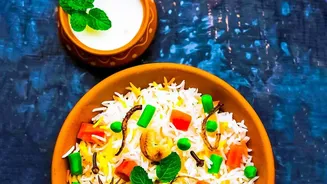
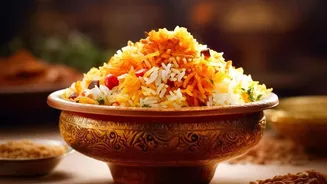
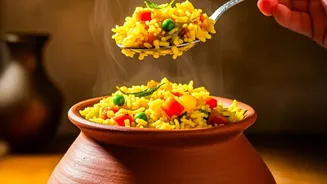
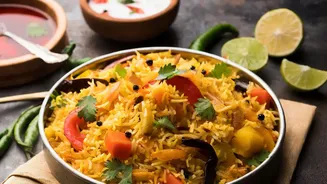
The Pujo food pilgrimage begins with the divine taste of bhog. Served in community pandals, this sacred offering is a humble yet profoundly satisfying vegetarian meal. The star of the platter is always the bhoger khichuri, a fragrant blend of Gobindobhog
rice and roasted moong dal cooked in ghee. It’s typically accompanied by labra, a medley of seasonal vegetables spiced with panch phoron, and crispy fried eggplant slices known as beguni. This meal, first offered to the Goddess and then shared among thousands, embodies the spirit of community and devotion that lies at the heart of the festival. Eating bhog shoulder-to-shoulder with strangers is a quintessential Pujo experience.
The Pandal-Hopping Fuel: Street Snacks
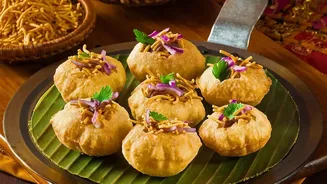
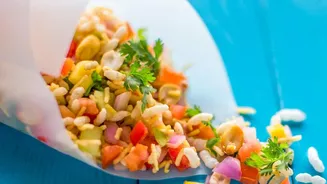
As day turns into night, the culinary adventure moves to the streets, which become a massive open-air food court. Pandal hopping—the act of visiting various decorated pandals across different neighbourhoods—is thirsty and hungry work, and Kolkata's street food vendors are ready. Phuchka, the city's iconic version of pani puri, is a non-negotiable stop, with crowds gathering around vendors for that perfect burst of tangy, spicy water. Another essential is the Kathi Roll, a flaky paratha wrapped around a filling of egg, chicken, or paneer, providing the perfect on-the-go meal. Other popular snacks include ghugni (a curried white pea dish), various chops (crumb-fried cutlets), and roadside-style chowmein, ensuring that energy levels remain high for a full night of celebration.
The Sweet Interlude: Mishti and More
No Bengali celebration is complete without mishti (sweets), and Durga Puja is the grandest excuse to indulge. Sweet shops across the city showcase an incredible variety of desserts that are an integral part of the festivities. The iconic rosogolla, soft spongy cheese balls soaked in light syrup, is a must-have. Sandesh, a delicate sweet made from fresh chhena (cottage cheese), comes in countless textures and flavours. During the festival, you'll also find Mishti Doi (sweet yogurt), rich and creamy pantua, and intricate creations like the kheer kadam. These sweets are not just treats; they are offered as bhog, exchanged as gifts, and enjoyed as a shared moment of joy.
The Festive Finale: Aromatic Biryani
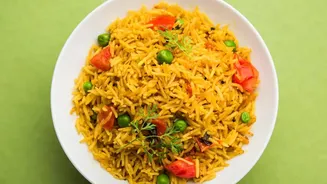
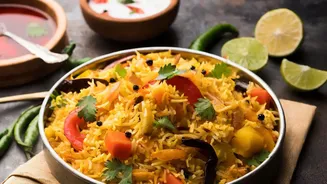
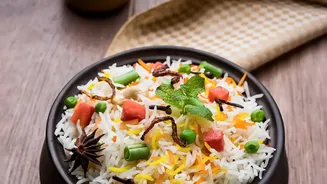
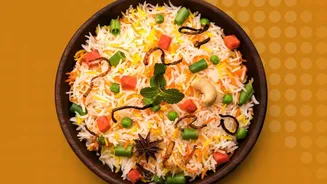
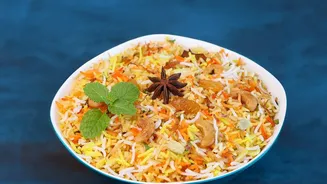
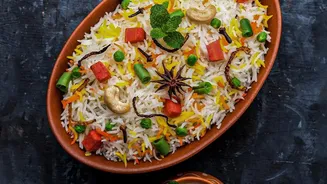
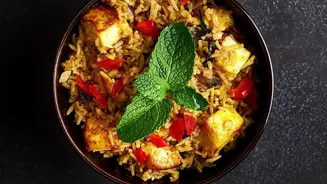
After a long day and night of pandal hopping, the final act of the Pujo feast is often a celebratory plate of biryani. Eateries across Kolkata, from legendary establishments to temporary stalls, serve this beloved dish late into the night. The Kolkata-style biryani is distinct from its counterparts, characterized by its lighter spice profile, fragrant long-grain rice, and the signature inclusion of a tender potato and often a boiled egg alongside the succulent meat. This meal is more than just food; it's a moment of bonding with friends and family, a satisfying end to a day of festive immersion. For many, sharing a handi of biryani at 2 a.m. is as much a part of Pujo as the rituals themselves.