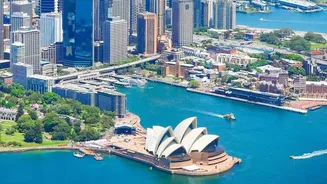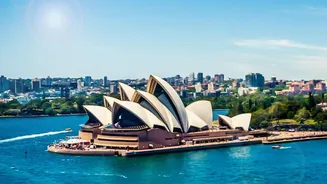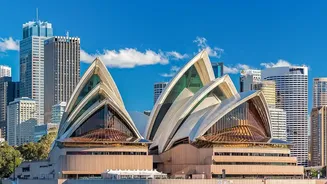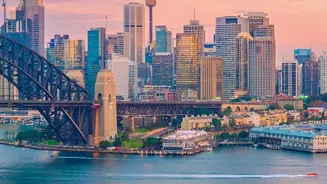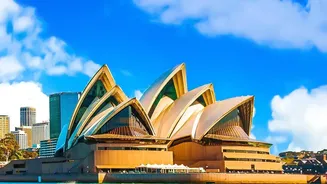




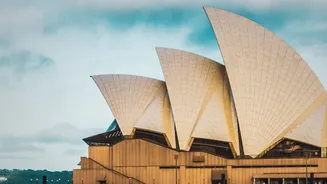
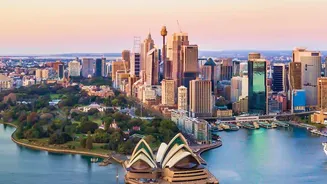
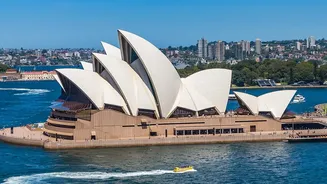
The Sydney Opera House
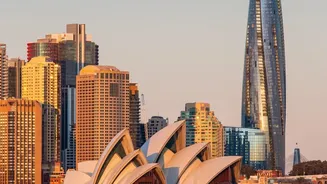
The common complaint is that a tour of the Sydney Opera House can feel underwhelming, focusing on architecture rather than the magic of performance. Many visitors simply snap a photo from the outside and move on, feeling they’ve 'done' it. But to see
it merely as a photo-op is to miss the point entirely. This building is a miracle of 20th-century engineering and a saga of creative genius and political drama. Designed by Danish architect Jørn Utzon, its construction was so complex it took 16 years to complete. The real way to experience it is not just to walk around it, but to engage with its purpose. Instead of a daytime tour, book a ticket for a show—any show. Seeing a performance by the Sydney Symphony or a contemporary band inside those hallowed, acoustically brilliant shells is a completely different experience. It’s only then that you feel the building come alive, transforming from a static monument into one of the world's premier performing arts centres.
Uluru
Some travellers lament that Uluru is 'just a big rock' in a very remote and expensive-to-reach location. This perspective ignores its profound spiritual and cultural weight. Uluru is not a geological spectacle alone; it is a living cultural landscape for the Anangu people, who are its traditional owners. Every cave, waterhole, and fissure in the rock is part of an ancient story, a key component of Tjukurpa, the foundation of Anangu culture. The name itself, Uluru, has been used by local indigenous people for thousands of years. To truly appreciate it, you must see it through this lens. Skip the quick photo at sunset and invest in a guided tour with an Anangu guide. The 10km base walk reveals rock art and sacred sites, offering insights you cannot get from a viewing platform. Visiting the Cultural Centre first provides essential context. Understanding that this is one of the oldest living cultures on earth transforms Uluru from a simple monolith into the spiritual heart of a nation.
The Great Barrier Reef
Headlines about coral bleaching have led many to believe the Great Barrier Reef is dead and not worth the trip, while others complain about crowded, expensive tours. While the reef is under serious threat from climate change, it is far from gone. The Great Barrier Reef is not a single entity but the world's largest coral reef system, stretching over 2,300 kilometres. While some areas are damaged, vast sections remain vibrant and teeming with life. The key is responsible tourism. Instead of a budget day trip from Cairns to a crowded pontoon, seek out operators with advanced ecotourism certifications who visit less-trafficked outer reefs. Liveaboard boats offer a more immersive experience, allowing you to see healthier, more remote dive sites. By choosing tour operators who contribute to reef conservation and research, your visit becomes part of the solution, supporting an industry vital for the reef's protection and allowing you to witness its incredible resilience.
Bondi Beach
Bondi is often dismissed as Sydney’s most overhyped and crowded beach, a tourist trap to be avoided. On a sweltering Saturday in January, that can feel true, with up to 40,000 people cramming onto the sand. But judging Bondi by its peak-season crowds is like judging a restaurant by its queue. Bondi's significance lies in its culture and its stunning urban setting. It’s the birthplace of surf lifesaving, and the Bondi Icebergs pool has been a local institution since 1929. The secret is to visit like a local. Go for a swim at sunrise on a weekday, when you have the water almost to yourself. Tackle the spectacular Bondi to Coogee coastal walk for breathtaking cliff-top views. Enjoy a coffee on Campbell Parade and just people-watch. Autumn and spring offer warm water without the summer masses. Bondi isn't Australia's 'best' beach, but it is one of its most culturally significant, offering a beautiful slice of city beach life if you know how to approach it.