



The Green Wave That Started It All
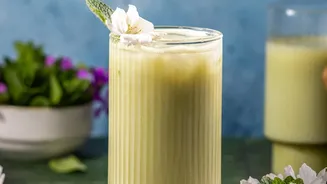
It feels like just yesterday that matcha was a niche wellness product, a vibrant green powder whispered about by health influencers. Today, it’s a mainstream sensation, with India's matcha market growing at a projected 8.6% annually. From Starbucks to
independent third-wave coffee shops in Mumbai, Delhi, and Bengaluru, the matcha latte has become a familiar, almost essential, non-coffee option. Its success was driven by a perfect storm of factors: a perception of health benefits, its undeniable visual appeal on social media, and its role as a gentler alternative to coffee. This green wave paved the way for a more curious Indian consumer, one who is now ready to ask, 'What’s next?'.
Meet Ube: The Vibrant Purple Yam
Enter ube, a purple yam originating from the Philippines that is taking social media by storm with its stunning violet hue. Unlike the savoury taro it's often confused with, ube has a gentle, sweet flavour profile often described as a mix of vanilla, pistachio, and white chocolate. Its natural sweetness and creamy texture make it a perfect ingredient for desserts, pastries, and, most importantly for cafes, lattes. The visual drama of an ube latte—a swirl of deep purple against creamy milk—makes it an instant Instagram star. Recent Google Trends data shows that searches for ube in India hit an all-time high in August 2026, with cities in Telangana leading the curiosity charge. Consumers are not just searching 'what is ube'; they are looking for 'ube lattes' and 'ube cafes', signalling a clear intent to try this trend.
Discovering Hojicha: Matcha's Toasty Cousin
If ube is the vibrant newcomer, hojicha is matcha’s more mellow, sophisticated relative. Hojicha is a Japanese green tea, but unlike matcha, its leaves are roasted over charcoal after being harvested. This roasting process transforms the tea, giving it a reddish-brown colour and a completely different flavour profile. Instead of matcha’s grassy, umami-rich notes, hojicha is nutty, toasty, and has hints of caramel and cocoa. A major part of its appeal is its significantly lower caffeine content, making it an ideal evening or late-afternoon beverage for those sensitive to stimulants. Search interest for hojicha in India also peaked in 2026, with Delhi emerging as a hub for this trend. Breakout searches for 'hojicha vs matcha' show that consumers are actively comparing the two to understand which fits their palate better.
An Appetite for Novelty and Global Flavours
The emergence of ube and hojicha is part of a larger story about the modern Indian consumer. Exposure to global trends through travel and social media has cultivated a desire for new and unique experiences. The Indian cafe is no longer just a place for coffee; it's an informal cultural space where people come to discover what’s new. This 'freestyle dining' culture encourages experimentation with small plates, unique beverages, and dessert-inspired drinks. Consumers are increasingly driven by curiosity and a desire for variety, moving beyond their standard orders. This shift, combined with a growing focus on wellness and functional ingredients, creates the perfect environment for novel options like low-caffeine hojicha and antioxidant-rich ube to thrive.