






The First Pillar: Recovered Hardware
For decades, launching anything into space was a bit like buying a new car for a single road trip and then driving it off a cliff. Rockets, the incredibly expensive vehicles that defy gravity, were almost entirely single-use. This model made space access
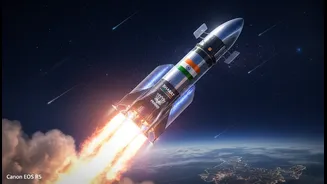
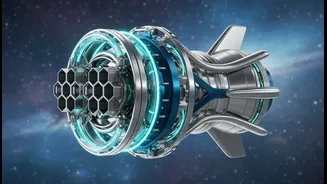
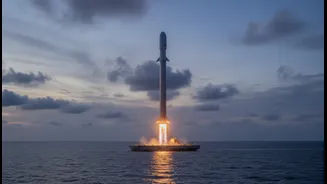
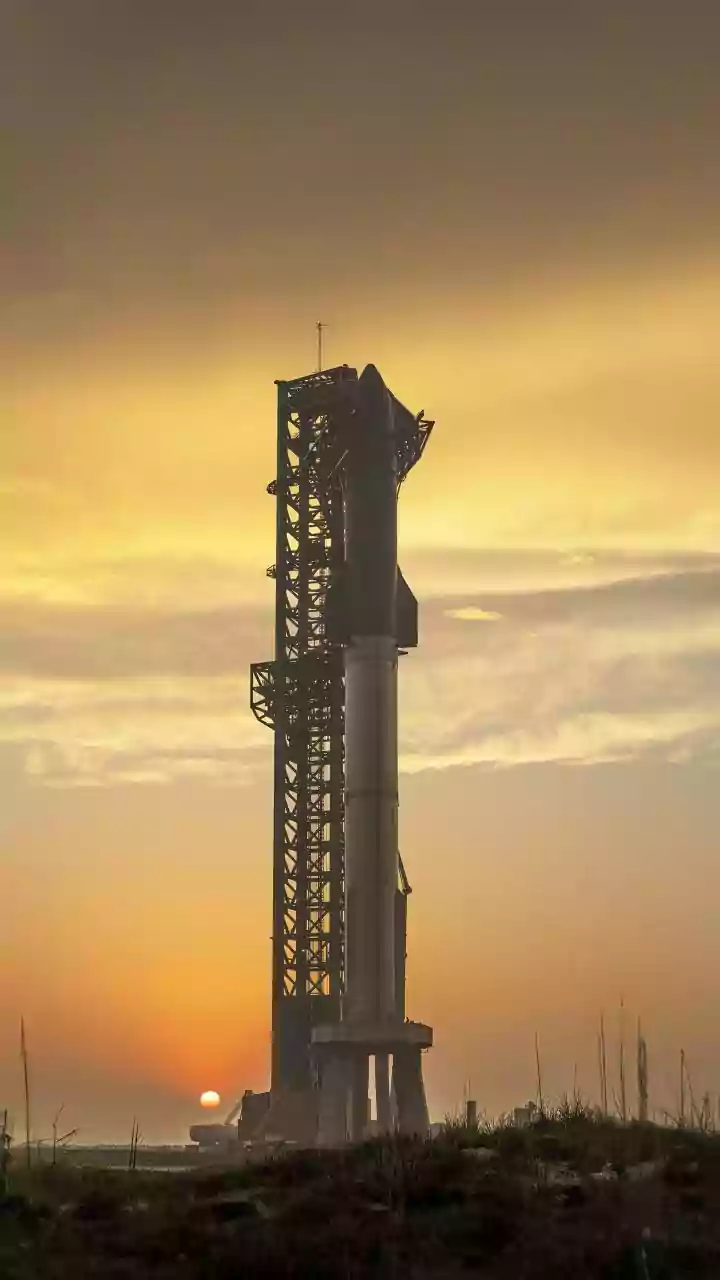
prohibitively expensive for all but the most well-funded governments and corporations. That has fundamentally changed with the advent of recovered hardware. Pioneered by companies like SpaceX, the concept is simple but technically profound: design the most expensive part of the rocket, the first-stage booster, to return to Earth and land itself so it can be flown again. This has slashed launch costs, with some flights now advertised for a fraction of what they once were. By 2025, reused boosters became the norm for leaders like SpaceX, not the exception, proving that reusability is the key to frequent and affordable space access. Now, this philosophy is spreading globally, with nations and startups alike developing their own reusable rocket capabilities, recognizing that a sustainable space presence begins with a reusable ride to get there.
The Second Pillar: Reused Orbital Infrastructure
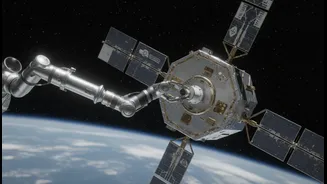
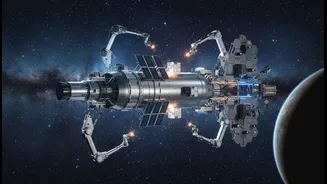
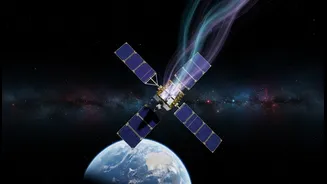
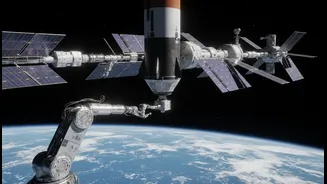
While reusable rockets solve the problem of getting to space, a second, equally important revolution is taking shape in orbit itself. For years, when a satellite ran out of fuel or a key component failed, it became a piece of space junk. With thousands of satellites in orbit, this is creating a significant debris problem. The new idea is to treat these defunct satellites not as trash, but as salvageable assets. This is the world of On-Orbit Servicing, Assembly, and Manufacturing (OSAM). Instead of launching a replacement, specialized vehicles, sometimes called 'space tugs', can dock with existing satellites to refuel them, repair them, or move them to a new orbit. Northrop Grumman's Mission Extension Vehicle (MEV) has already demonstrated this by successfully docking with a satellite and using its own engines to give the client satellite five more years of life. This transforms the economics of satellite operations and is the first step toward a circular economy in space, where assets are maintained and repurposed rather than discarded.
A Mission That Tests Both
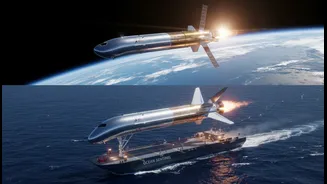
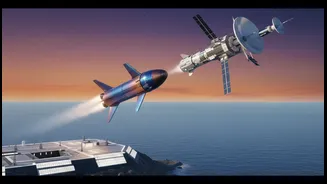
The latest missions in this new era are designed to combine these two pillars. Imagine a launch where a flight-proven, recovered rocket booster carries a payload into orbit. But instead of just deploying a new satellite, the payload is a servicing vehicle. Its mission is to rendezvous with an aging, but still valuable, satellite that is low on fuel. Using advanced autonomous navigation, the servicer will dock with the client satellite, effectively becoming a new engine and power source, extending its operational life for years. Missions like this are moving from concept to reality. For example, Indian startup Agnikul has announced a mission that aims not only to recover its rocket booster but also to turn the spent upper stage into a functional in-orbit platform. These missions serve as crucial proof-of-concept tests, demonstrating that the entire space logistics chain, from the ground to geosynchronous orbit, can be made more efficient and sustainable.
Building the Future Space Economy
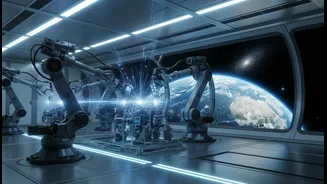
Why does this matter? Because testing these two ideas together lays the groundwork for a robust and mature space economy. Reducing launch costs through recovered hardware opens the door for more companies and countries to participate. Reusing orbital infrastructure creates entirely new business models, from satellite life extension and in-orbit inspection to active debris removal. The on-orbit servicing market is projected to grow significantly, reaching over $12 billion by 2035. Success in these missions de-risks the technology, encouraging more investment and accelerating innovation. It proves that space can be treated not as a one-off destination for heroic missions, but as a domain for persistent, commercial, and sustainable operations. This shift is critical for building future infrastructure like large-scale satellite constellations, orbital manufacturing plants, and even supporting long-term human exploration of the Moon and Mars.