


The Science of a Perfect Puff
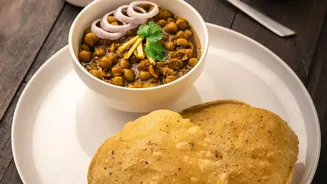
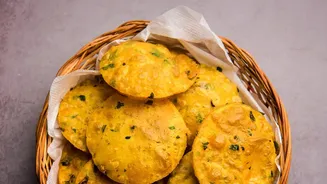
The magical puff of a poori is all about steam. When the rolled-out dough hits hot oil, the water inside the dough quickly turns to steam. This steam gets trapped between the top and bottom layers of the poori, forcing them apart and causing it to inflate
like a balloon. The process needs to happen in a specific sequence: the outer layers must seal quickly enough to trap the steam, but not so quickly that the steam doesn't have a chance to form and expand. This delicate balance is almost entirely controlled by the oil temperature.
The Problem with Overheated Oil
When your oil is smoking hot, the surface of the poori cooks almost instantly. The moment it hits the oil, a hard, rigid crust forms. While this leads to quick browning, it happens too fast for the steam to build up inside. The crust becomes too stiff to expand, so even if steam is created, it has nowhere to go. The poori might get a few small bubbles, but it won't achieve that full, satisfying puff. You end up with a poori that is dark brown and crispy but remains flat, dense, and potentially undercooked on the inside. This is the classic sign of oil that is too hot.
Finding the Temperature Sweet Spot
The ideal temperature for frying pooris is between 180°C and 190°C. Oil that is too cool is also a problem; it will cause the dough to absorb excess oil before it can cook, resulting in greasy, heavy pooris that fail to puff. You don't need a thermometer to find the right temperature. The most trusted method is to drop a tiny piece of dough into the kadhai. If it sinks and stays at the bottom, the oil is too cold. If it sizzles and rises to the surface immediately and steadily, your oil is ready. If the dough fragment turns dark brown in a second or two, your oil is too hot and you need to lower the flame and let it cool for a minute before trying again.
Dough Consistency is Crucial
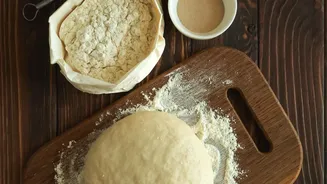
While oil temperature is a major factor, the dough itself plays an equally important role. Poori dough must be firm and stiff—noticeably firmer than dough for chapatis or rotis. A soft, loose dough contains too much moisture and is more likely to absorb oil, making it heavy and preventing a good puff. Knead the dough with less water until it is smooth but firm. Let it rest for only 10 to 20 minutes; resting it for too long can cause the gluten to relax too much, again leading to oily pooris.
Rolling and Frying Techniques
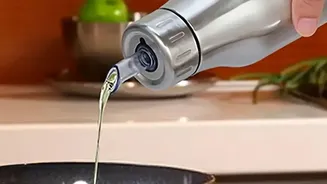
How you roll and fry the poori can make all the difference. Always use a little oil to grease the dough balls and rolling surface instead of dry flour (atta). Dry flour particles burn in the hot oil, leaving black specks on your pooris and giving the oil a burnt taste. Roll the pooris evenly to a thickness of about 1-2 mm. If they are too thin, they may become crisp like a papad and won't puff. If they are too thick, they won’t cook through. When you slide the poori into the oil, gently press it down with a slotted spoon. This helps trap the initial burst of steam and encourages it to puff up completely. Fry one at a time to maintain the oil's temperature, and flip only once it has puffed.