



The Shared Destination: Proprioception
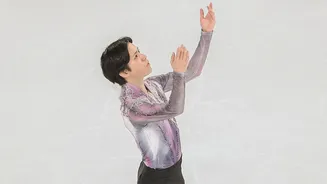
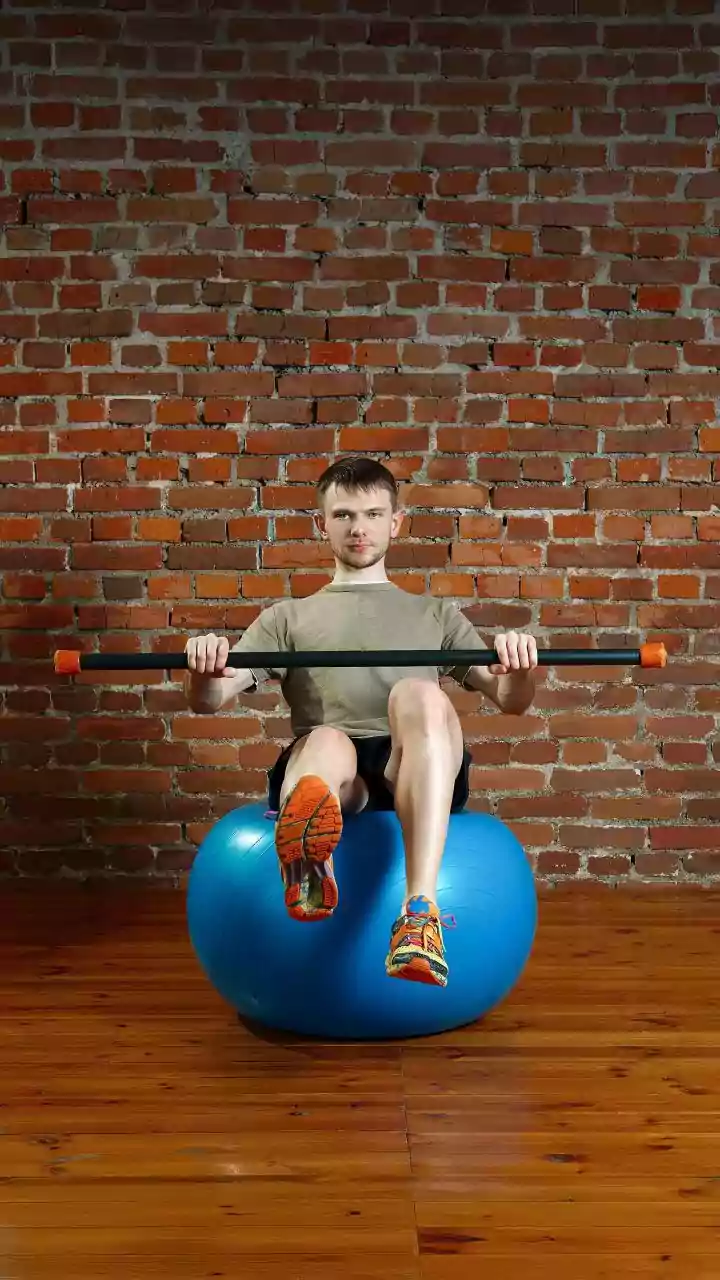
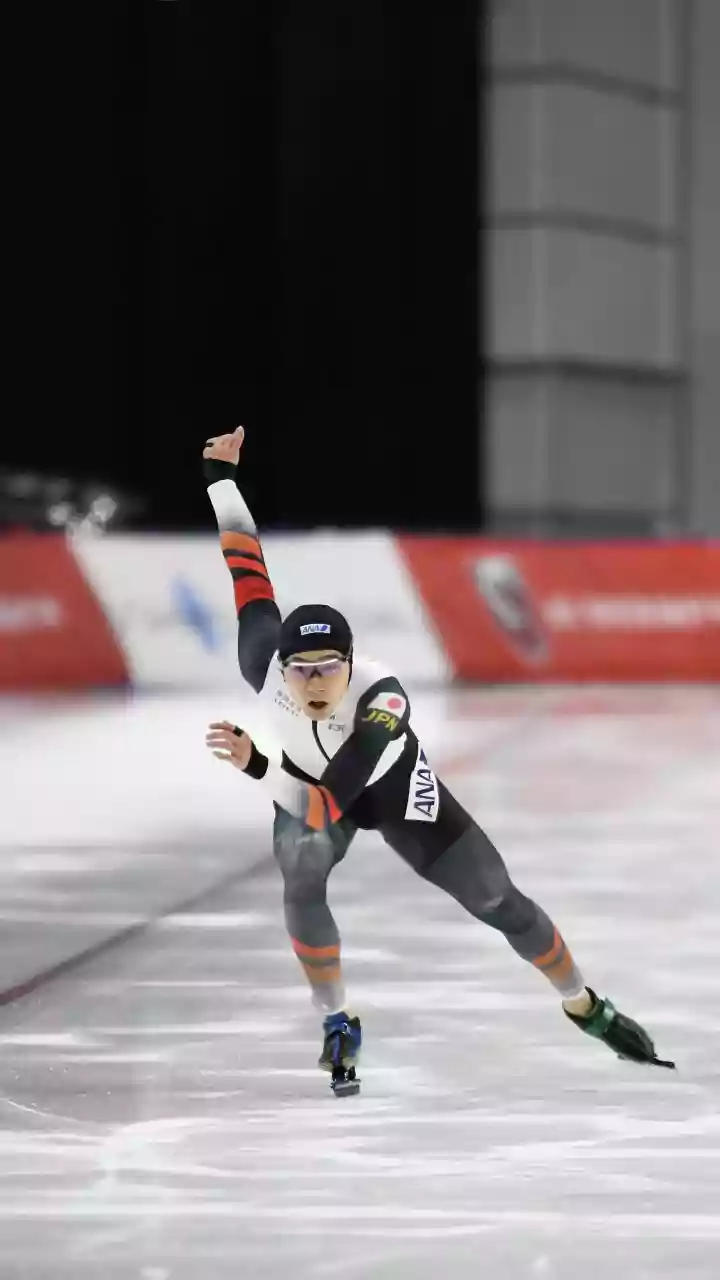
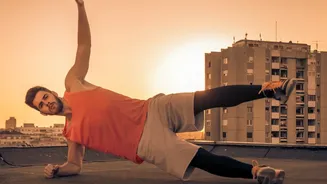
Both skating and Tai Chi are excellent for developing proprioception. This is your body's innate ability to sense its own position and movement in space without relying on your eyes. Think of it as your internal GPS. Every time you skate, you constantly
make micro-adjustments to stay upright, strengthening this sense. Similarly, Tai Chi's slow, controlled forms force you to pay deep attention to how you shift your weight and where your limbs are, enhancing this mind-body connection. The destination is the same—a masterful awareness of your body—but the paths they take to get there are fundamentally different.
Dynamic vs. Grounded Stability
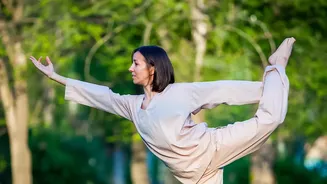
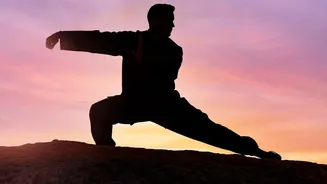
The most significant difference lies in how each activity approaches balance. Skating is an exercise in managing dynamic, forward momentum. Balance is reactive and external. You're constantly adjusting to the roll of the wheels, the texture of the surface, and the need to avoid obstacles. Your core is engaged to stabilize against constant motion. Tai Chi, conversely, cultivates grounded, internal stability. Described as 'meditation in motion', its movements are slow, deliberate, and focused on maintaining a solid connection to the earth. Balance comes from precise weight shifts and perfect posture, strengthening core muscles through sustained, controlled poses rather than rapid reactions.
The Mental Game: External vs. Internal Focus
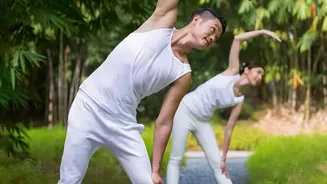
The mental state required for each activity also diverges. Skating demands a high degree of external awareness. You must be present and focused on your surroundings to remain safe and enjoy the 'flow state' of effortless gliding. This can be a form of active mindfulness, anchoring you in the present moment. Tai Chi fosters a deep internal focus. The practice is meditative, encouraging you to clear your mind of 'chatter' and concentrate solely on the sensations within your body and the flow of movement. This inward journey is known to reduce stress and improve mental clarity by rewiring neural pathways.
The Physical Payoff: Cardio vs. Calm
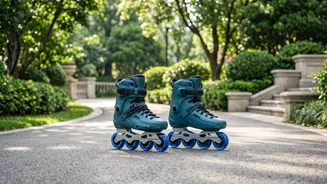
Your fitness goals might be the deciding factor. Skating is an excellent aerobic workout that strengthens the heart and burns a significant number of calories, often between 300 and 600 in an hour. It's a full-body workout that engages your legs, glutes, and core for propulsion and stability. Tai Chi is a low-impact exercise renowned for its calming effects. While it strengthens muscles and improves flexibility, its primary physiological benefits are linked to stress reduction, lowering blood pressure, and improving joint health. It's less about cardiovascular intensity and more about gentle strength and mobility.
Which Path Is Right for You?
Choosing between skating and Tai Chi isn't about which is 'better', but which better suits your personality and objectives. If you crave an exhilarating, high-energy workout that gets your heart pumping and allows you to cover distance, skating is an obvious choice. It builds functional, reactive balance that translates well to other sports and activities. If you are seeking a gentle, low-impact practice that calms the mind, reduces stress, and builds balance from a grounded, meditative foundation, Tai Chi is unparalleled. It is highly accessible to people of all ages and fitness levels and has been shown to be effective in fall prevention, particularly for older adults.