






The Foundation: More Than Just Protein
Building muscle is often simplified to just eating more protein, but it's a more delicate balance. True progress comes from a diet that provides not only the building blocks for muscle repair (protein) but also the energy for tough workouts (carbohydrates)
and support for crucial hormonal functions (fats). Many traditional Indian meals are naturally heavy on carbohydrates, so the key is to consciously adjust the proportions on your plate to ensure protein gets a prominent spot. A good starting point for muscle gain is a macronutrient split of roughly 45% carbohydrates, 30% protein, and 25% fat.
Indian Protein Powerhouses
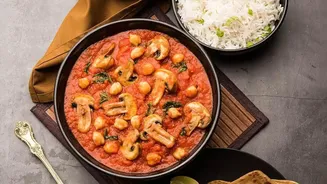
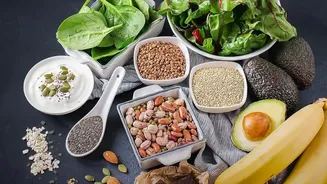
Protein is non-negotiable for repairing the microscopic muscle tears caused by strength training. A daily intake of 1.6 to 2.2 grams of protein per kilogram of body weight is recommended for active individuals. Fortunately, Indian cuisine is full of excellent sources. For vegetarians, paneer is a slow-digesting casein protein perfect for sustained muscle recovery, offering about 18 grams of protein per 100g. Lentils (dal), chickpeas (chana), and kidney beans (rajma) are staples that provide around 7-9 grams of protein per cooked cup, and pairing them with rice or roti creates a complete amino acid profile. Soya chunks and sattu (roasted gram flour) are other incredibly protein-dense options. For non-vegetarians, chicken breast, fish, and whole eggs remain superior sources of high-quality protein.
Smart Carbs for Sustained Energy
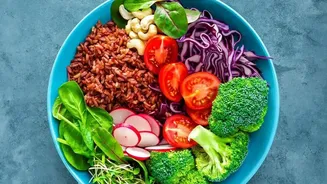
Carbohydrates are the body's primary fuel source, and cutting them out is a mistake when you're training hard. They are stored in your muscles as glycogen, which powers your workouts. Without enough carbs, your performance will suffer, and your body might even break down muscle for energy. The trick is to choose complex carbohydrates that provide a slow and steady release of energy. Swap refined white rice and maida-based breads for whole wheat rotis, brown rice, millets (like jowar and bajra), and oats. These options are also rich in fibre, which aids digestion and helps you feel full.
Don't Fear Healthy Fats
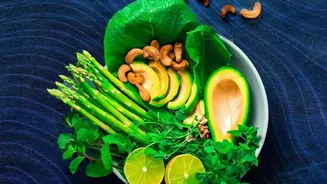
Fats often get a bad reputation, but they are essential for overall health and play a vital role in producing hormones like testosterone, which is crucial for muscle growth. A well-rounded diet should include healthy fats from a variety of sources. Nuts like almonds and walnuts, seeds such as flax and chia, and healthy cooking oils are great additions. Even a moderate amount of traditional ghee can be beneficial, as it contains fat-soluble vitamins. The goal is to incorporate these fats thoughtfully, not to avoid them entirely.
Timing and Hydration Matter
What you eat around your workout can make a difference. Consuming a meal with both carbohydrates and protein 1-2 hours before training can provide you with the energy to perform your best. After your workout, a similar meal within two hours helps replenish your energy stores and kickstart the muscle recovery process. Something as simple as dal with rice, or paneer with roti, serves this purpose perfectly. Equally important is hydration. Water is essential for countless bodily functions, including muscle repair, so be sure to drink plenty throughout the day.