





The Spirit of Sawan
The fifth month of the Hindu calendar, Sawan is dedicated to the worship of Lord Shiva. For devotees, it is a period of heightened spiritual significance marked by prayers, temple visits, and fasting, especially on Mondays (Sawan Somvar). Food during
this time is not just for sustenance; it becomes an integral part of the spiritual observance. The emphasis shifts from indulgence to simplicity and purity, with meals intended to calm the mind and lighten the body, making it easier to focus on prayer and reflection. This devotional practice aligns perfectly with the rhythms of nature, as Sawan coincides with the peak of the monsoon season.
The Ayurvedic Wisdom Behind the Diet
The dietary customs of Sawan are deeply intertwined with Ayurvedic principles. According to Ayurveda, the monsoon season, or Varsha Ritu, is a time when the body's digestive fire (Agni) is naturally weaker. High humidity can make the system sluggish, and the Vata dosha tends to become imbalanced, potentially leading to digestive issues. Therefore, the traditional Sawan diet, which favors light, easily digestible foods, is a seasonal wellness practice. Meals are typically sattvic, a category of food in Ayurveda that promotes clarity, harmony, and peace. This means avoiding rajasic (stimulating) and tamasic (dulling) foods like onion, garlic, spicy dishes, and stale leftovers, which are believed to agitate the mind and burden the body.
What's On the Plate (and What's Not)
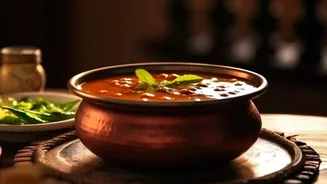
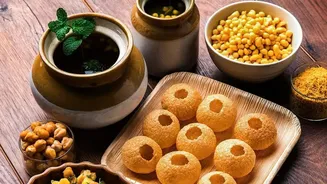
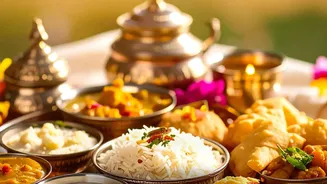
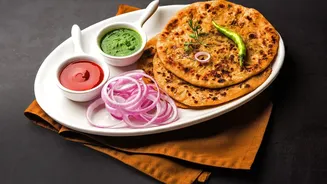
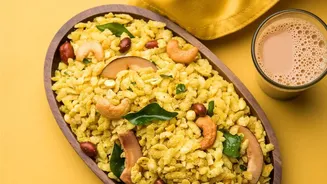
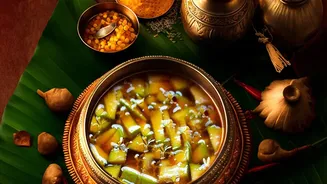
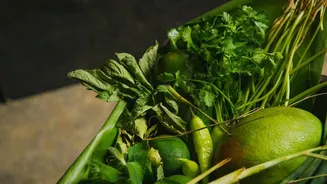
The Sawan plate is a celebration of fresh, seasonal produce. Fruits of all kinds, milk and dairy products like paneer and curd, and dry fruits are staples for those observing fasts. Regular grains like wheat and rice are often replaced with alternatives such as sabudana (tapioca pearls), kuttu (buckwheat flour), singhara (water chestnut flour), and samak rice (barnyard millet). Vegetables like potatoes, lauki (bottle gourd), and sweet potatoes are widely used. Instead of regular table salt, sendha namak (rock salt) is preferred. Conversely, non-vegetarian food, eggs, and alcohol are strictly avoided. Many also steer clear of leafy green vegetables, a practical tradition from a time when the damp monsoon weather made them more likely to harbor insects and contaminants.
A Celebration of Freshness
A key aspect highlighted in the headline is the preference for 'freshly cooked' meals, and this is not a coincidence. During the monsoon's high humidity, food is more susceptible to spoiling quickly. The tradition of preparing fresh meals daily is a time-tested food safety practice. It discourages eating stale or leftover food, which is considered tamasic and detrimental to both physical and spiritual well-being during this sacred month. This emphasis on freshness ensures that meals are not only pure in a spiritual sense but also at their peak in terms of flavour and nutrition, making the Sawan diet a form of mindful eating that connects personal health with the environment and devotion.
Modern Palates, Ancient Rules
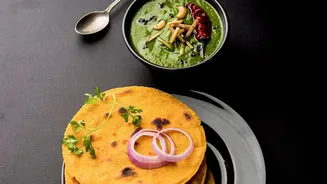
Today, these ancient traditions are being embraced by a new generation, often with a creative twist. While the core principles remain, home cooks and chefs are finding new ways to prepare vrat-friendly (fast-compliant) dishes that are both nutritious and exciting. You might find innovative recipes like sabudana waffles, amaranth parathas, or makhana (fox nut) tikkis. These modern interpretations ensure that the diet doesn't feel restrictive but rather like an opportunity to explore a different palette of ingredients and flavours. This adaptability keeps the traditions alive, proving that ancient wisdom can be seamlessly woven into the fabric of modern life.