


The Global Construction Snapshot
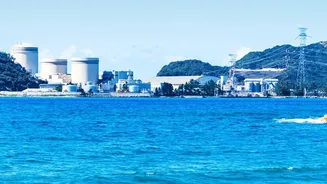
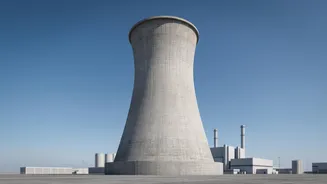
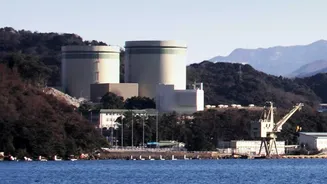
According to the latest figures from the IAEA's Power Reactor Information System (PRIS), there are currently between 60 and 80 nuclear power reactors under construction in approximately 15 to 18 countries. These projects represent a combined future capacity
of more than 70 gigawatts (GW), marking one of the highest levels of nuclear construction activity in the last 30 years. This building spree follows a period of relative stagnation and signals a dramatic upward shift in projections for future nuclear capacity, which the IAEA suggests could more than triple by 2060. This renewed momentum is driven by a confluence of factors: the urgent need for reliable, low-carbon electricity, heightened energy security concerns, and surging power demand from new technologies like artificial intelligence.
Asia Leads the Nuclear Expansion
The epicentre of this nuclear renaissance is unquestionably Asia, with China leading the charge by a significant margin. The country is currently building more than half of all new reactors worldwide, with 35 to 37 units under construction. China aims to reach 100 GW of installed nuclear capacity by around 2030, a move that would see it overtake both the United States and Europe. India is also a major player, with around eight reactors currently being built. These include new units at Kudankulam in partnership with Russia and domestically designed pressurized heavy water reactors (PHWRs). This massive build-out in Asia is a direct response to the region's rapidly growing economies, which require vast amounts of stable, clean power to sustain their development and meet climate targets.
Newcomers and Renewed Commitments
Beyond the established nuclear powers, a number of 'newcomer' nations are building their very first nuclear power plants, marking a significant step in their national development. Countries like Bangladesh, Egypt, and Turkey are all constructing large-scale reactors, mostly with technology and financing from Russia's state-owned corporation, Rosatom. For these nations, nuclear power offers a path to energy independence and a source of carbon-free electricity to power their growing industries and cities. Elsewhere, countries are renewing their commitment to nuclear energy. In Europe, the UK and France are proceeding with new builds, while several Eastern European nations like Poland and the Czech Republic are advancing plans for new reactors to enhance their energy security.
The Rise of a New Reactor Generation
While most reactors currently under construction are large, conventional designs with capacities over 1,000 megawatts (MW), the future of nuclear power may look very different. There is growing momentum behind Small Modular Reactors (SMRs), which are designed to be more flexible, faster to build, and suitable for a wider range of applications, including powering remote communities or industrial heat processes. China already operates one land-based SMR and is building another, while Russia has a marine-based unit in operation. The United States is leading the world in SMR development, with dozens of projects announced, followed by Canada and the UK. The IAEA's projections show SMRs accounting for a significant share of new nuclear capacity by 2060, heralding a major shift in how nuclear energy is deployed globally.