






The Invisible Culprit: What Is Ethylene?
The phenomenon behind this rapid ripening is caused by ethylene, a natural plant hormone. It’s an odorless, colorless gas that all fruits and vegetables produce to regulate their growth and ripening process. Think of it as a signaling molecule that tells
the fruit it's time to mature. This hormone is crucial for developing the fruit's final texture, flavor, and color, breaking down starches into sugars and softening cell walls. While this is a normal part of a plant's life cycle, some fruits are high-ethylene producers, releasing significant amounts of this gas into their surroundings.
Meet the High Ethylene Producers
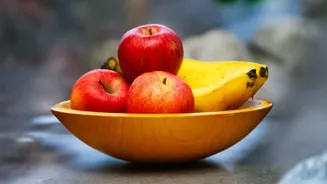
Apples are one of the most well-known high-ethylene producers, but they are far from alone. A whole category of fruits, known as climacteric fruits, continue to ripen after being picked and release substantial amounts of ethylene gas. This group includes apples, ripe avocados, cantaloupe, peaches, pears, plums, and tomatoes. Even bananas themselves are major ethylene producers once they start to ripen, creating a feedback loop where they accelerate their own maturation and that of their neighbors. This is the scientific principle behind the old saying, "one bad apple spoils the bunch," as a rotting or overripe apple emits even more ethylene, hastening the decay of the fruit around it.
Why Bananas Are So Sensitive
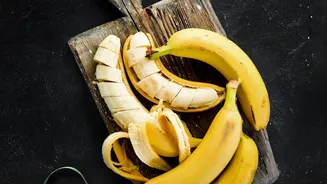
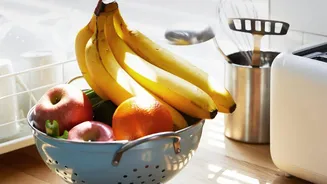
On the other side of the equation are fruits and vegetables that are highly sensitive to ethylene. Bananas are a prime example. When an unripe banana is exposed to ethylene from a nearby source like an apple, its own ripening process is kicked into high gear. The gas binds to receptors in the banana's cells, triggering the cascade of chemical reactions that leads to softening, yellowing of the peel, and increased sweetness. This makes them particularly vulnerable in a mixed fruit bowl. Other highly sensitive produce includes broccoli, carrots, cucumbers, leafy greens, and squash. Exposure to ethylene can cause these vegetables to turn yellow, go limp, develop bitter flavors, or form soft spots much faster than they would otherwise.
Harnessing the Power of Ripening
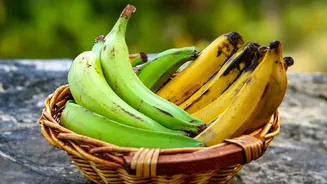
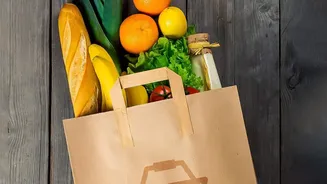
This knowledge doesn't have to be a source of frustration; it can also be a powerful kitchen tool. If you have hard, under-ripe fruits like green bananas, nectarines, or a rock-solid avocado, you can use ethylene to your advantage. Simply place the unripe fruit in a paper bag with an apple or a ripe banana. The bag will trap the ethylene gas, concentrating its effects and significantly speeding up the ripening process. You can have a perfectly ripe avocado in a day or two, rather than waiting for it to soften on the counter by itself. This trick works for most climacteric fruits, helping you get them to their ideal eating stage on your own schedule.
Smart Storage for Longer-Lasting Produce
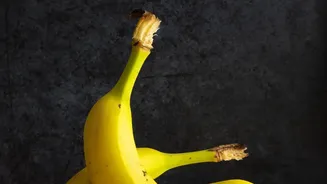
To prevent unwanted ripening and reduce food waste, the key is separation. Store high-ethylene producing fruits away from those that are ethylene-sensitive. This might mean keeping apples in a crisper drawer in the refrigerator and bananas on a separate part of the counter. For bananas, you can also wrap the stems of the bunch in plastic wrap, which can slow the release of ethylene from the part of the fruit where it is most concentrated. Avoid storing ethylene producers in sealed bags or containers at room temperature, as this traps the gas and accelerates spoilage. For sensitive vegetables like leafy greens and broccoli, storing them in a separate crisper drawer or a sealed container in the fridge can protect them from any stray ethylene gas.