





A Feathered Diplomatic Mission
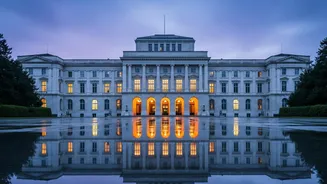
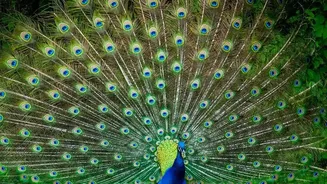
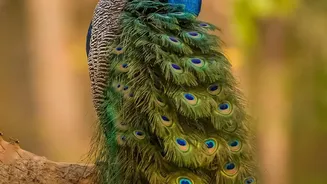
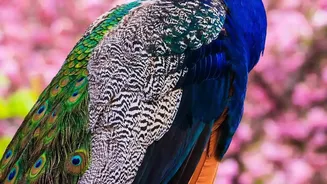
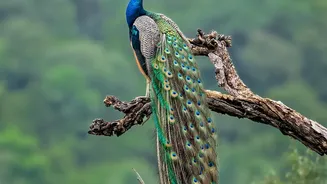
In a recent ceremony at the Palais des Nations, the UN's European headquarters, India formally gifted five young peacocks to the United Nations Office at Geneva (UNOG). The flock, consisting of four classic blue peacocks and one rare white one, was presented
by India's Permanent Representative, Ambassador Arindam Bagchi, to UNOG Director-General Tatiana Valovaya. The gesture was hailed as a celebration of India's rich natural heritage and a symbol of its enduring commitment to multilateralism. Officials noted the subtle symbolism of the birds' colouring, which mirrors the blue and white associated with the United Nations.
The History of a Unique Tradition
The presence of peacocks in Geneva's Ariana Park is a tradition that predates the UN itself, and even its predecessor, the League of Nations. The story begins in 1890, when Swiss collector Gustave Revilliod bequeathed his vast estate to the city of Geneva. He had three conditions: that the park be named 'Ariana' after his mother, that he be buried on the grounds, and that his beloved peacocks be allowed to roam freely there forever. For over a century, these majestic birds have been a familiar sight for diplomats and visitors, witnessing history unfold on the 46-hectare estate. Over the years, the flock has been sustained by donations, including from a Japanese zoo in 1997.
Reviving a Personal Legacy
For India, this act renews a specific legacy of cultural diplomacy. It marks the second time the country has gifted its national bird to the UN in Geneva. In 1981, then-Prime Minister Indira Gandhi sent a breeding pair of peacocks from the Delhi Zoo, a gesture that cemented India's participation in this charming tradition. The latest donation of five young peacocks is seen as a deliberate continuation of that legacy, reinforcing a special connection between India and the historic grounds. The birds will first acclimate in a special enclosure for about three months, cared for by the Geneva Bioparc zoo and UN staff, before they are released to wander the park freely.
More Than Just a Pretty Picture
The choice of the peacock is deeply significant. As India's national bird, it is a potent symbol of grace, beauty, and resilience. The Indian mission stated that the gift represents the country's commitment to conserving biodiversity and promoting environmental stewardship. This act of 'soft power' is a powerful, non-political way for a nation to project its cultural identity and values on the world stage. Unlike the more famous 'panda diplomacy', this is a quieter, more poetic form of international engagement. The arrival of the birds, especially the striking white male, has already made them diplomatic stars, capturing the attention of visitors and UN staff alike.