


Meet NASA's New Dust Detective
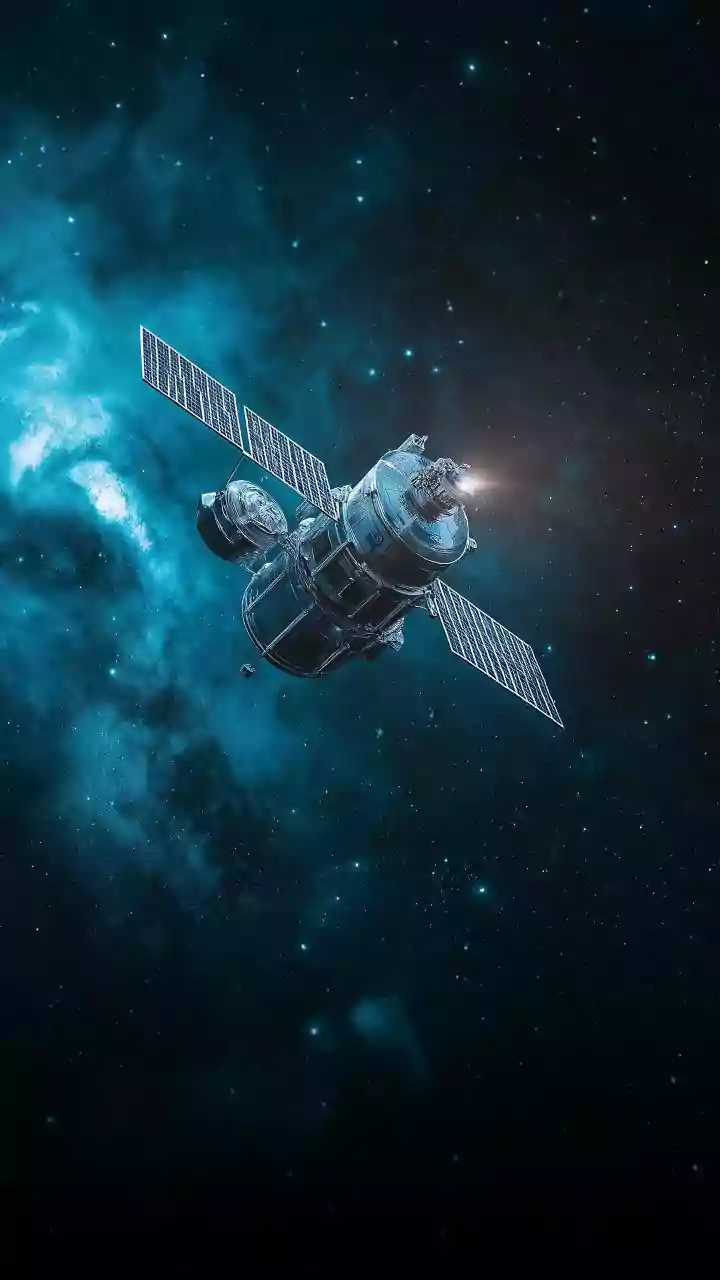
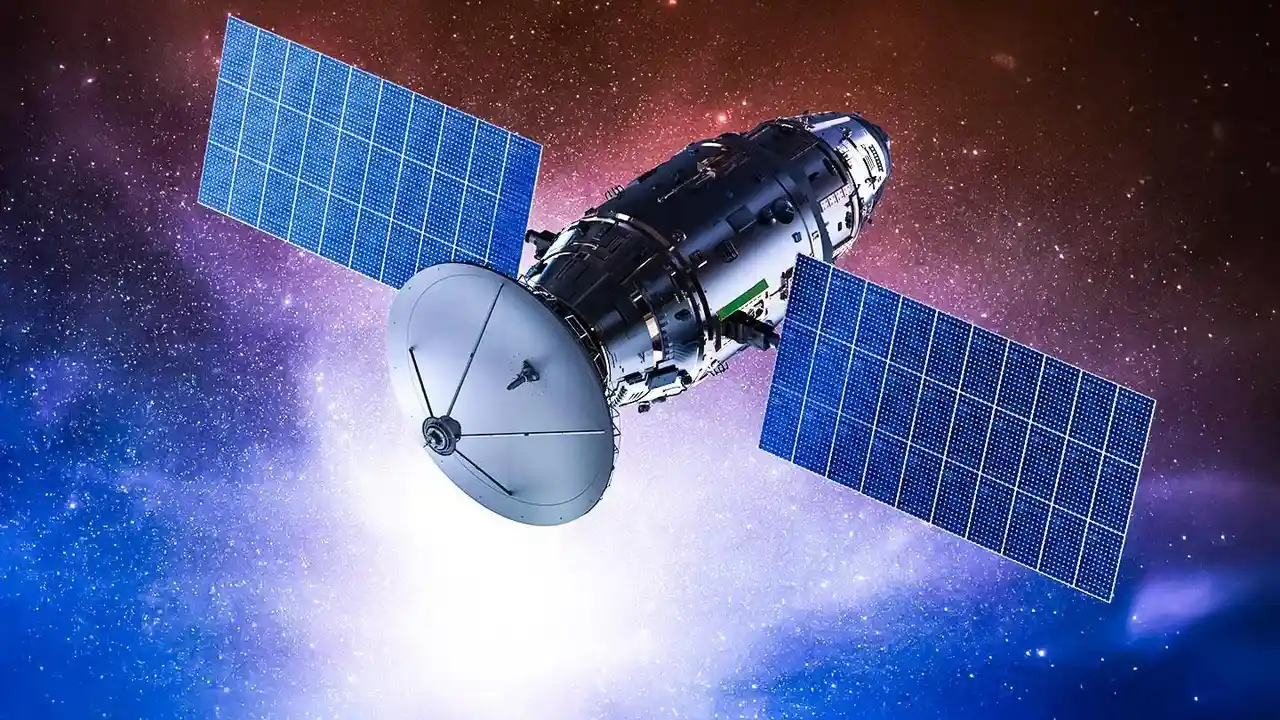
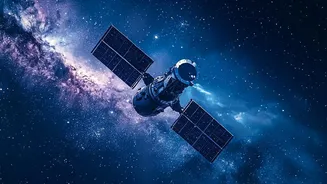
NASA's next venture into the cosmos is called PUFFINS, a clever acronym for 'Polarimetry in the Ultraviolet to Find Features in INterStellar dust'. This mission, part of the agency's Astrophysics Pioneers program, is a small satellite equipped with a ten-inch
telescope. Its specific job is to study the faint, ultraviolet light from distant stars to see how it's affected by the dust it passes through on its journey to us. The mission is led by Principal Investigator Dr. Ramya Anche of the University of Arizona and is slated for launch in 2030 with a $20 million budget. By focusing on these tiny particles, some as small as a virus, PUFFINS will fill a critical knowledge gap that can't be addressed with conventional telescopes.
Why Dust Is a Big Deal
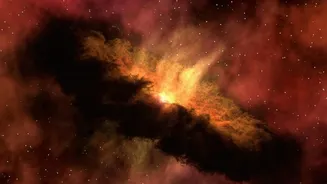
It might sound insignificant, but interstellar dust is one of the most important ingredients in the universe. These tiny grains, mostly made of carbon and silicates, are the raw materials for everything from new stars to rocky planets. They act as tiny shields, protecting molecules in space from destructive radiation, and provide surfaces where new molecules, including the universe's most abundant one (H2), can form. Dust also plays a crucial role in cooling down gas clouds, allowing them to collapse under gravity and ignite into new stars. Essentially, without dust, the lifecycle of the cosmos would be completely different. As Dr. Anche notes, understanding dust is essential because it's a critical component in how planetary systems, and potentially life, get started.
The Science of Polarized Light
The key technique PUFFINS will use is called ultraviolet spectropolarimetry. It's a method that hasn't been used in space for this purpose in nearly three decades. Starlight travels in waves, and 'polarization' refers to the orientation of those waves. As light passes through clouds of interstellar dust, some of the tiny, elongated grains act like microscopic compass needles, aligning with the galaxy's magnetic field. This alignment changes the polarization of the starlight in a way that scientists can measure. By analyzing these subtle changes across the ultraviolet spectrum, the PUFFINS team can deduce the dust's size, shape, composition, and how it behaves. This provides a way to 'see' and study particles that are otherwise invisible to optical and infrared telescopes.
Answering Long-Standing Questions
Previous missions in the 1990s only managed to gather this type of data for about 30 stars, leaving many questions unanswered. PUFFINS aims to observe at least 70 stars, tripling the existing sample size and providing a much richer dataset. Scientists are particularly interested in two mysteries from the earlier data. One is why the ultraviolet polarization from some stars is much stronger than expected. Another concerns a strange feature in how dust absorbs light at a specific wavelength (2175 angstroms), which sometimes shows polarization and sometimes doesn't. By carefully selecting its targets, including stellar nurseries and even our neighboring Magellanic Clouds, PUFFINS will build a detailed map of how dust varies across different cosmic environments and hopefully solve these puzzles.
A Stepping Stone to Future Worlds
While PUFFINS is a small-scale mission, its findings will have a big impact. The data will not only revolutionize our understanding of dust's role in the universe but also serve as a crucial stepping stone for future, more ambitious projects. The insights gained from PUFFINS will help inform the development of instruments for NASA's planned Habitable Worlds Observatory, a next-generation flagship telescope envisioned for the 2040s. By refining the technology and science of ultraviolet polarimetry, PUFFINS is paving the way for future searches for planets, and perhaps even life, beyond our solar system. It's a powerful reminder that sometimes, to understand the biggest picture, you have to start by studying the smallest things.