







The Power of Antioxidants
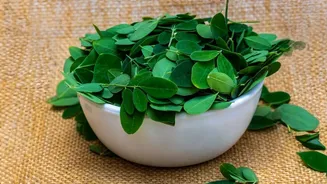
First, let's be clear: Moringa is indeed packed with beneficial compounds. The leaves and seeds of the Moringa oleifera tree, native to India, are rich in vitamins, minerals, and importantly, antioxidants like quercetin and chlorogenic acid. Antioxidants
are molecules that fight free radicals in your body—unstable atoms that can damage cells, causing illness and aging. This cellular protection is why antioxidant-rich foods are a cornerstone of a healthy diet. In laboratory tests, Moringa extracts show strong antioxidant activity, effectively neutralizing these damaging free radicals. This is the source of much of the excitement, but it's only the beginning of the story.
The Crucial Gap: Lab vs. Life
Here's the critical distinction often lost in wellness headlines: a positive result in a lab dish (in vitro) does not automatically translate to the same effect inside the human body (in vivo). When you eat Moringa seeds or powder, the compounds go through the complex process of digestion and metabolism. How much of the beneficial antioxidant actually gets absorbed into your bloodstream and reaches your cells is a question of bioavailability. Many substances that are potent antioxidants in a test tube are broken down or poorly absorbed by the body, limiting their real-world impact. Therefore, while lab studies are a promising first step, they are not proof of disease prevention in humans.
What Research on Moringa Shows
When we look at studies involving animals and humans, the picture becomes more nuanced. Some research has shown promising results. For example, studies on rats and rabbits have indicated that Moringa may help lower cholesterol and blood sugar levels. One study in rats even suggested it could delay the onset of diabetes. However, most of the dramatic claims, especially those concerning cancer, are based on studies of cells in a lab, not on human patients. Researchers agree that while these initial findings are interesting, much more rigorous, large-scale human clinical trials are needed before we can definitively say Moringa prevents or treats any specific disease. Claims that it can prevent hundreds of diseases are not verified by clinical studies.
So, What Is Moringa Good For?
Just because it isn't a proven disease-prevention miracle doesn't mean you should dismiss Moringa. It is an exceptionally nutritious plant. The leaves are packed with protein, Vitamin A, Vitamin C, iron, and potassium. Its nutritional density makes it a powerful tool against malnutrition in many parts of the world. There is also evidence for its anti-inflammatory properties, which are important because chronic inflammation is linked to many health conditions like heart disease and diabetes. Some small human studies have shown it can increase blood antioxidant levels and help lower blood sugar. Think of it less as a medicine and more as a nutrient-dense food that supports overall health.
A Healthy Dose of Perspective
The story of Moringa is a perfect example of how superfood claims can outpace scientific evidence. The antioxidant activity is real, but the leap to disease prevention is a simplification. No single food, no matter how nutritious, can act as a magic bullet against complex illnesses. True health and disease prevention come from a holistic approach: a balanced diet rich in a variety of fruits and vegetables, regular exercise, and a healthy lifestyle. You can absolutely include nutrient-rich Moringa as part of that balanced diet. Enjoy it in your smoothies or curries for its impressive vitamin and mineral content. Just don't expect it to be a substitute for proven medical care or a comprehensive approach to your well-being.