


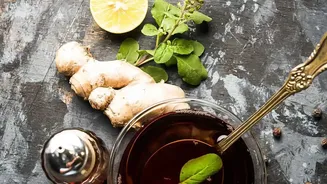
What Exactly Is Rooibos Tea?
Rooibos, also known as 'red bush tea', isn't a true tea in the traditional sense. It doesn't come from the Camellia sinensis plant that gives us black and green tea. Instead, it's an herbal infusion made from the leaves of the Aspalathus linearis shrub,
which grows exclusively in South Africa's Cederberg mountain region. The traditional method involves fermenting the leaves, a process that develops their characteristic red-brown color and enhances their naturally sweet, nutty flavor. This process is similar to how black tea is produced and gives 'red' rooibos its signature taste. There is also an unfermented 'green' rooibos, which has a grassier flavor and retains even more antioxidants, though it is less common.
The Antioxidant Powerhouse
The primary driver of rooibos's healthy reputation is its impressive and unique blend of antioxidants. While many teas contain beneficial compounds, rooibos is the only known natural source of aspalathin, a powerful antioxidant. It also contains other potent flavonoids like quercetin, luteolin, and nothofagin. Antioxidants are compounds that help protect the body's cells from damage caused by free radicals, unstable molecules linked to aging and chronic diseases. The specific antioxidants in rooibos have been studied for their potential to reduce inflammation, protect heart health, and support the immune system. This powerful defensive profile is a key reason wellness-conscious consumers have embraced the beverage worldwide.
Heart Health and Blood Sugar Support
Research suggests the benefits of these antioxidants are more than just theoretical. Several studies have linked rooibos consumption to improved cardiovascular health markers. The flavonoids in rooibos may help lower 'bad' LDL cholesterol while improving overall circulation. Furthermore, the unique antioxidant aspalathin has shown promise in helping to manage blood sugar levels and improve insulin resistance in some studies. This makes it a beverage of interest for those focused on metabolic health, although more human research is needed to make definitive claims.
Naturally Caffeine-Free and Low in Tannins
Beyond its antioxidants, two other practical characteristics fuel rooibos's popularity: it is completely caffeine-free and low in tannins. Unlike decaffeinated teas, which undergo a process to remove caffeine and may still contain trace amounts, the rooibos plant simply does not produce caffeine. This makes it a perfect choice for any time of day, especially for those who are sensitive to caffeine or want a calming evening drink that won't disrupt sleep. Tannins, compounds that can cause bitterness in black and green tea and sometimes interfere with iron absorption, are also very low in rooibos. This results in a smoother, less astringent cup that is gentle on the stomach.
A Versatile and Accessible Flavor
While health benefits are a major draw, a beverage doesn't become popular without a pleasant taste. Rooibos has a naturally sweet, smooth, and slightly earthy flavor with hints of vanilla. This accessible profile makes it enjoyable on its own or with milk and a sweetener. Its versatility has led to a boom in rooibos-based drinks, including lattes, cappuccinos, and iced teas, making it a staple in cafes around the world. This combination of a delicious, comforting flavor and a strong wellness story has created a loyal global following, cementing its place as far more than just a fleeting trend.