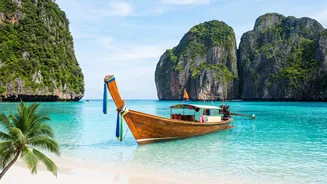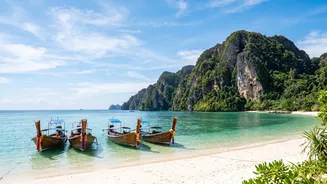






The New Reality: From 60 Days to 30
Let's clear the air first: contrary to some discussions, the visa-free stay for Indian tourists has been shortened, not lengthened. In July 2024, Thailand introduced a generous 60-day visa-exemption scheme for visitors from 93 countries, including India.
However, starting from September 15, 2026, this policy has been revised. Under the new rules published in the Royal Gazette, Indian passport holders can enter Thailand without a visa but are permitted to stay for a maximum of 30 days. This change affects travellers from 60 countries and marks a return to the previous 30-day standard after a two-year period of longer stays.
Why Thailand Tightened the Rules
The decision to reduce the visa-free period stems from the Thai government's concerns over national security and the misuse of the longer stay permit. According to Thai authorities, the 60-day scheme was being exploited by some foreign nationals for purposes other than tourism, such as working illegally or residing in the country long-term without the appropriate visa. Reports noted an increase in illegal activities and crime involving foreigners, which prompted the government to take a step back. By reverting to a 30-day stay, Thailand aims to strike a balance between remaining a top tourist destination and strengthening its immigration controls. The move is part of a broader overhaul to create a more uniform visa system.
What This Means for Your Holiday
For the majority of Indian tourists, this policy shift will have minimal impact. Since the average leisure trip to Thailand lasts about a week, a 30-day visa-free window is more than sufficient for exploring popular destinations like Bangkok, Phuket, and Chiang Mai. The change primarily affects a smaller segment of travellers: backpackers planning to traverse the country extensively, digital nomads looking to set up a temporary base, and those intending to have extended family visits. These groups, who previously benefited from the 60-day allowance, will now need to adjust their itineraries or take extra steps to secure a longer stay.
Planning for a Longer Stay Now
If your travel plans extend beyond one month, you still have options. While the visa-free entry is capped at 30 days, tourists can apply for a one-time extension of up to 30 additional days at a local Thai immigration office. However, it's important to remember that this extension is not guaranteed and is granted at the discretion of immigration officers. For those who know from the outset that they wish to stay longer than 30 days, the most reliable approach is to apply for a tourist e-Visa before leaving India. This proactive step ensures you have the necessary permission for a longer, more relaxed journey without worrying about overstaying your welcome.
Navigating the Fine Print
Along with the reduced stay duration, Thailand has also tightened rules for land border entries. Under the new regulations, travellers using the visa-exemption scheme can only enter via a land checkpoint twice per calendar year. This measure is designed to crack down on 'visa runs', where individuals would cross into a neighbouring country and immediately re-enter Thailand to reset their stay permit. This limit does not apply to entries by air. So, while spontaneous trips are still very much possible, the era of using back-to-back visa-free stays for long-term residence is effectively over. All travellers should be prepared with proof of onward travel and accommodation, and ensure their passport has sufficient validity.