




The Mat as a Mirror: Finding Emotional Stillness
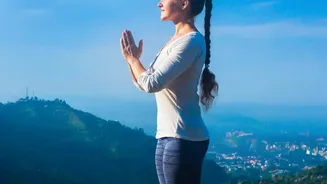
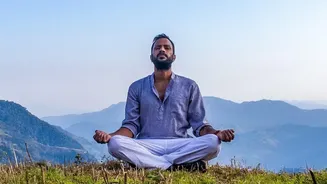
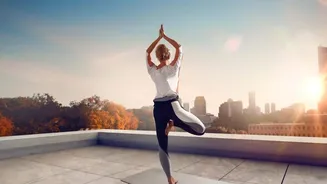
Yoga, an ancient practice with deep roots in India, is far more than physical postures. At its core, it is a discipline of introspection. Through asanas (postures), pranayama (breath control), and dhyana (meditation), yoga trains the mind to observe without
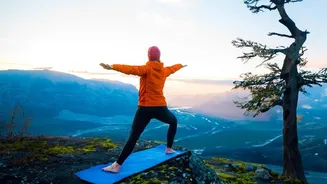
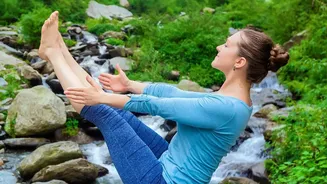
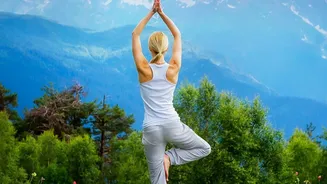
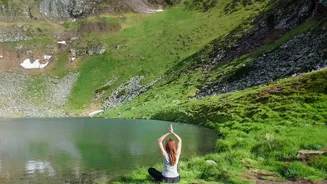
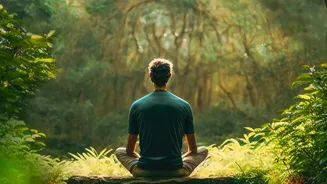
reacting. When you hold a challenging pose, you are encouraged to breathe through the discomfort, noticing the urge to give up without surrendering to it. This practice on the mat translates directly to life off the mat. By consciously regulating your breath, you can calm your nervous system, reducing feelings of stress and anxiety. Studies have shown that spending time in nature, an element often combined with yoga, can lower cortisol levels, the body's primary stress hormone. Yoga teaches you to create a space between a trigger and your response, allowing for more thoughtful and balanced emotional reactions rather than knee-jerk impulses. It builds a unique form of resilience, one rooted in flexibility and self-awareness.
The Trail as a Teacher: Forging Mental Fortitude
If yoga is the art of internal observation, trekking is the practice of external perseverance. The trail is an uncompromising teacher. It demands resilience when you face a steep, unexpected incline or when the weather turns without warning. Many seasoned hikers will attest that mental stamina is often more crucial than physical endurance on a long trek. Your mind may want to quit long before your body does. Trekking forces you to solve problems, manage resources like food and water, and push through fatigue. Reaching a summit after a gruelling climb provides a powerful lesson in delayed gratification and reinforces self-belief. A Stanford University study highlighted that walking in a natural environment reduces neural activity associated with repetitive negative thoughts, which are often a precursor to stress and anxiety. This act of putting one foot in front of the other, despite obstacles, rewires the brain for grit and determination. It builds confidence and a profound sense of accomplishment that you carry back into your daily life.
From the Mat to the Mountain: A Symbiotic Journey
The true magic happens when these two disciplines are not seen as separate pursuits but as a complementary system for holistic well-being. The emotional balance cultivated through yoga becomes an invaluable asset on a difficult trek. When faced with a challenging river crossing or the disappointment of a “false summit,” the yogic practice of calm observation and breath control can prevent panic and poor decision-making. It helps you stay present and focused. Conversely, the mental toughness forged on the trail strengthens your yoga practice. The discipline required to wake up for an early morning hike is the same discipline needed to show up on your mat consistently. The resilience gained from pushing through physical hardship on a mountain gives you the strength to sit with uncomfortable emotions during meditation. Hiking can be seen as a form of moving meditation, while yoga provides the physical flexibility and strength to make the journey more enjoyable and less prone to injury.
Putting It Into Practice: A Balanced Approach
Integrating these practices into your life doesn’t require a trip to the Himalayas or becoming a yoga master. You can start by exploring local trails in your nearest park or nature reserve. Even a short walk in a green space can boost your mood and clear your head. Simultaneously, you can begin with simple yoga flows at home using online resources or by joining a beginner’s class in your community. The key is to start small and remain consistent. Prepare for treks by ensuring you are well-nourished and hydrated, as this directly impacts your mental state and mood on the trail. The goal isn't to conquer the mountain or perfect a headstand. Instead, the focus should be on the process—the act of moving your body, connecting with your breath, and observing the world both inside and outside of you.