




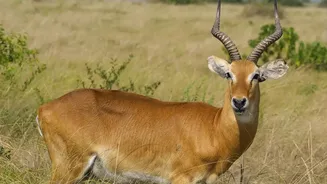
The Myth of the Wildlife Checklist
Many first-time safari-goers arrive with the 'Big Five'—lion, leopard, rhino, elephant, and buffalo—at the top of their list. While Botswana is one of the best places on Earth to see these animals, a safari is not a visit to a zoo. These are vast, unfenced
wilderness areas where animals roam freely across thousands of square kilometres. The pressure to tick off a list can create a sense of anxiety and even disappointment, detracting from the wonder of the experience. A guide's job is to track and find animals, but even the best guides cannot conjure a leopard on command. The truth is, sightings are never guaranteed, and that's precisely what makes each one so special.
Understanding Botswana’s Diverse Ecosystems
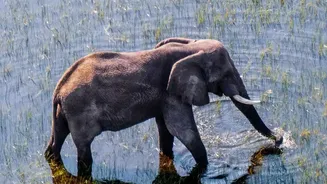
Botswana is not one single landscape, but a dynamic patchwork of ecosystems that dictate where animals are and when. The Okavango Delta, a UNESCO World Heritage Site, is a vast inland wetland that floods seasonally, creating a maze of channels and islands. Moremi Game Reserve, located within the Delta, blends permanent water with dry land, mopane woodland, and acacia forests, supporting an incredible density of wildlife, including the rare African wild dog. To the north, Chobe National Park is famed for having Africa’s largest concentration of elephants, especially along its riverfront. Each region's unique geography shapes animal behaviour and movement, meaning a sighting in one area has no bearing on another.
The Crucial Role of Seasonality
Timing is everything in Botswana. The country has two main seasons: the dry season (roughly May to October) and the wet season (November to April). During the dry season, vegetation is sparse and temporary waterholes disappear, forcing animals to congregate around permanent water sources like the Okavango Delta and Chobe River. This makes wildlife easier to spot and is generally considered the peak season for game viewing. Conversely, the wet or 'green' season transforms the landscape into a lush paradise. While wildlife becomes more dispersed, this is the best time for birdwatching as migratory species arrive, and it's also when many animals give birth, attracting predators and offering different kinds of dramatic sightings.
How to Maximise Your Chances
While you can't guarantee a sighting, you can certainly improve your odds. First, travel with a reputable operator whose guides are experienced trackers. They know how to read the signs of the bush, from fresh tracks to alarm calls. Secondly, be patient and take your time. Instead of rushing between locations, spending a few days in one area allows you to understand its unique rhythm. Early morning and late afternoon game drives are crucial, as this is when animals are most active. Finally, communicate with your guide. If you have a particular interest, whether it's birds, smaller mammals, or simply watching elephant behaviour, let them know. They can tailor the experience to what fascinates you.
Beyond the Big Five: Redefining a 'Successful' Safari
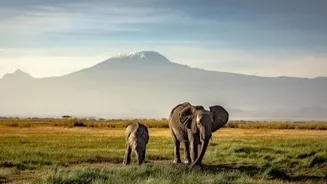
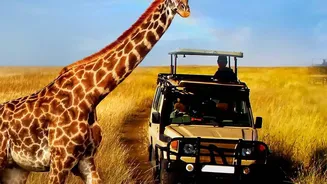
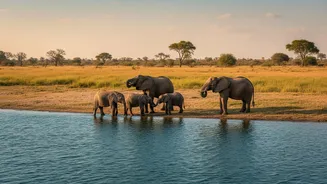
The most memorable safaris are often the ones where travellers let go of expectations and embrace the present moment. A 'successful' trip isn't just about seeing lions. It's about watching a herd of elephants bathing in the Chobe River at sunset, the thrill of tracking a pack of wild dogs, or the serene beauty of gliding through the Okavango in a mokoro (traditional canoe). It’s about the smaller wonders, too: the intricate patterns on a giraffe's coat, the call of a fish eagle, or the vibrant colours of a lilac-breasted roller. A safari offers a rare chance to immerse yourself in a world that is completely wild and unscripted. The goal shouldn't be to conquer a checklist but to connect with nature on its own terms.