






From 'Last Post' to 'First Frontier'
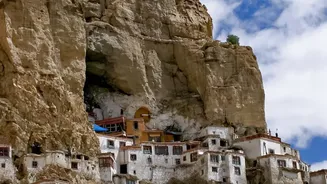
Tucked away in the Himalayas in Uttarakhand’s Chamoli district, Mana village sits at an altitude of over 10,000 feet, just a few kilometres from the Badrinath shrine and the border with China. For decades, its identity was shaped by its remote location,
famously marked by a signboard that read “The Last Indian Village.” This title gave it a unique allure, a geographical curiosity on the edge of the nation. The village is home to the Bhotiya community, who have lived in this high-altitude region for centuries, their culture and traditions intertwined with the dramatic landscape. Its proximity to Badrinath also made it a significant stop for pilgrims, who would visit its mythological sites like Vyas Gufa and Ganesh Gufa, believed to be where the epic Mahabharata was composed.
A Vision for the Borderlands
The conceptual shift began with a statement from Prime Minister Narendra Modi during a visit in October 2022. He declared that villages on the country's borders should not be seen as the last outposts, but rather as the “first villages” of India. This reframing was more than just semantics; it signalled a new strategic approach. The idea was to move away from a mindset that saw border areas as the periphery and instead view them as gateways to the nation's prosperity and the first line of its defence. Following this vision, in April 2023, the Border Roads Organisation (BRO) officially installed a new signboard at Mana, proudly proclaiming it the “First Indian Village.” This act cemented its new identity and captured national attention.
The 'Vibrant Villages Programme' in Action
Mana's rebranding is a flagship example of the central government's 'Vibrant Villages Programme' (VVP). Announced in the 2022 Union Budget, this Centrally Sponsored Scheme is designed for the comprehensive development of border villages, particularly along the northern frontier with China. The programme aims to improve the quality of life for residents and, crucially, to reverse the trend of out-migration from these strategic areas by creating robust livelihood opportunities. With a significant financial outlay, the VVP focuses on enhancing road and digital connectivity, ensuring access to electricity and clean water, developing tourism, and promoting local entrepreneurship. Mana, one of 51 villages in Uttarakhand identified under the programme, serves as a model for how this policy can be implemented on the ground.
A Tangible Impact on Tourism and Livelihoods
The change in designation has had a noticeable effect. The new identity has acted as a powerful marketing tool, sparking fresh curiosity among tourists and pilgrims. Reports from the village indicate a significant spike in visitor numbers since the signboard was changed. This influx has created new economic opportunities for the local community. Many residents have converted parts of their homes into homestays to accommodate the growing number of visitors. Local women are finding more buyers for their handmade woollen clothes, and other businesses are thriving. The Prime Minister's appeal for tourists to spend at least five percent of their travel budget on local products has further bolstered the village economy. This economic activity is seen as a key factor in encouraging residents to stay and invest in their community, fulfilling a core goal of the VVP.
A New Blueprint for India's Frontiers
The story of Mana is not an isolated one. It represents a broader, strategic shift in how India views its extensive land borders. By treating frontier settlements as vital parts of the national fabric, the government aims to strengthen both security and development simultaneously. Well-connected, economically active, and populated villages are considered a strategic asset. The VVP extends to hundreds of villages across Arunachal Pradesh, Sikkim, Himachal Pradesh, and Ladakh, aiming to replicate the Mana model. The transformation of Mana from a remote outpost into a symbol of national pride and development showcases a new confidence in integrating India’s border regions into its growth story, ensuring that the people who guard the nation's frontiers are also full participants in its progress.