


The Science of Eating With Your Eyes
Before a single bite touches your tongue, your brain has already made a series of rapid judgments. The visual presentation of food is the first sensory information we process, and it sets powerful expectations for taste, quality, and enjoyment. This isn't
just a matter of preference; it's a deep-seated psychological response. Researchers have found that the mere design of a plate—its colour, shape, and size—can trick our minds. It works by creating a visual context that alters how we interpret what's on it. This is why chefs in high-end restaurants obsess over plating and why the same dal might feel more comforting in a familiar round bowl at home than on a stark, modern plate elsewhere.
The Powerful Influence of Plate Colour
Colour is one of the most significant factors in plate psychology. Studies consistently show that the colour of your dinnerware can change how you perceive flavour. For instance, desserts often taste sweeter when served on a white plate. The high contrast makes the colours of the food pop, enhancing its visual appeal and creating an expectation of sweetness. Conversely, some research suggests that eating off a red plate may lead to consuming less, possibly because our brains associate the colour with stop signals or danger. Warm colours like yellow and orange are known appetite stimulants, which is why they are common in fast-food branding. In contrast, cooler tones like blue and green can have a calming effect and may even suppress appetite, making them potentially useful for mindful eating.
Tricking the Brain with Shape and Size
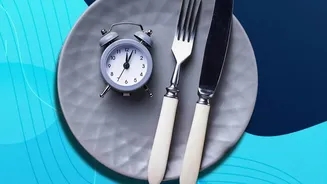
The size of your plate plays a crucial role in portion perception, thanks to a famous optical trick called the Delboeuf illusion. This illusion demonstrates that the same amount of food will look significantly smaller on a large plate and larger on a small plate. This is why using smaller plates is a common tip for weight management; it tricks your brain into feeling satisfied with a smaller portion. The shape matters, too. Traditional round plates are associated with comfort and balance. Some studies suggest that angular or square plates can make food seem more modern and are sometimes perceived as containing larger portions than their round counterparts. The distinct edges of a square plate can provide clearer visual boundaries, potentially making you more aware of how much you are serving.
Judging Healthiness and Value
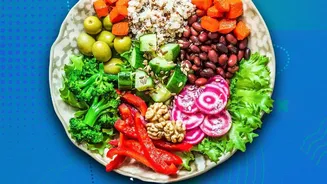
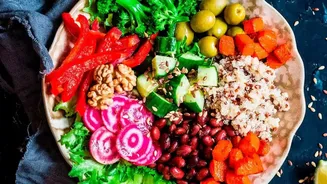
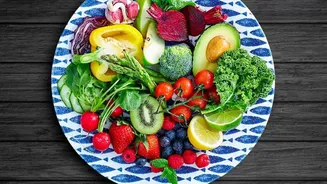
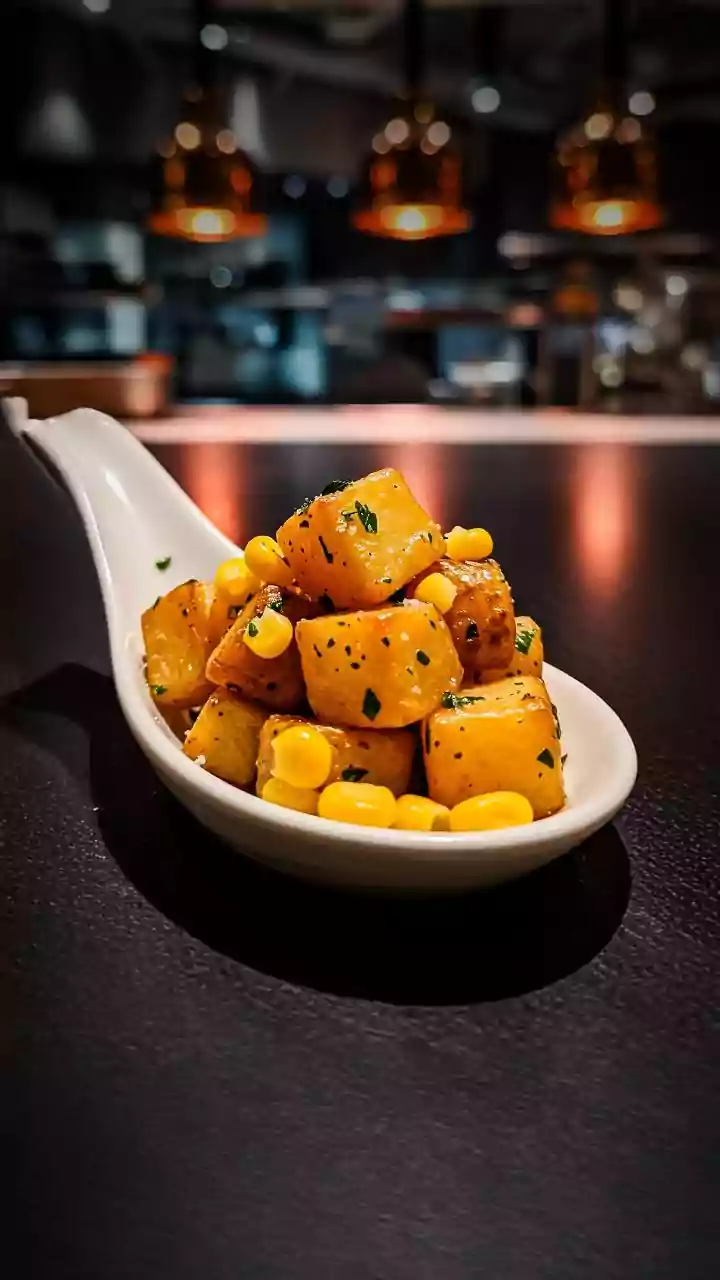
A plate’s design doesn’t just affect taste and portion size; it also influences how healthy or valuable we think a dish is. Food served on a black plate is often perceived as more modern, sophisticated, and even more expensive. The dramatic contrast can make the dish look like a work of art, elevating its perceived quality. Similarly, meals served with minimalist arrangements on large plates can signal a gourmet, high-value experience. This is a technique frequently used in fine dining to justify higher prices. On the other hand, a colourful, vibrant meal served on a green plate might be perceived as healthier and fresher, tapping into our association of the colour green with vegetables and nature.
How to Use Plate Psychology at Home
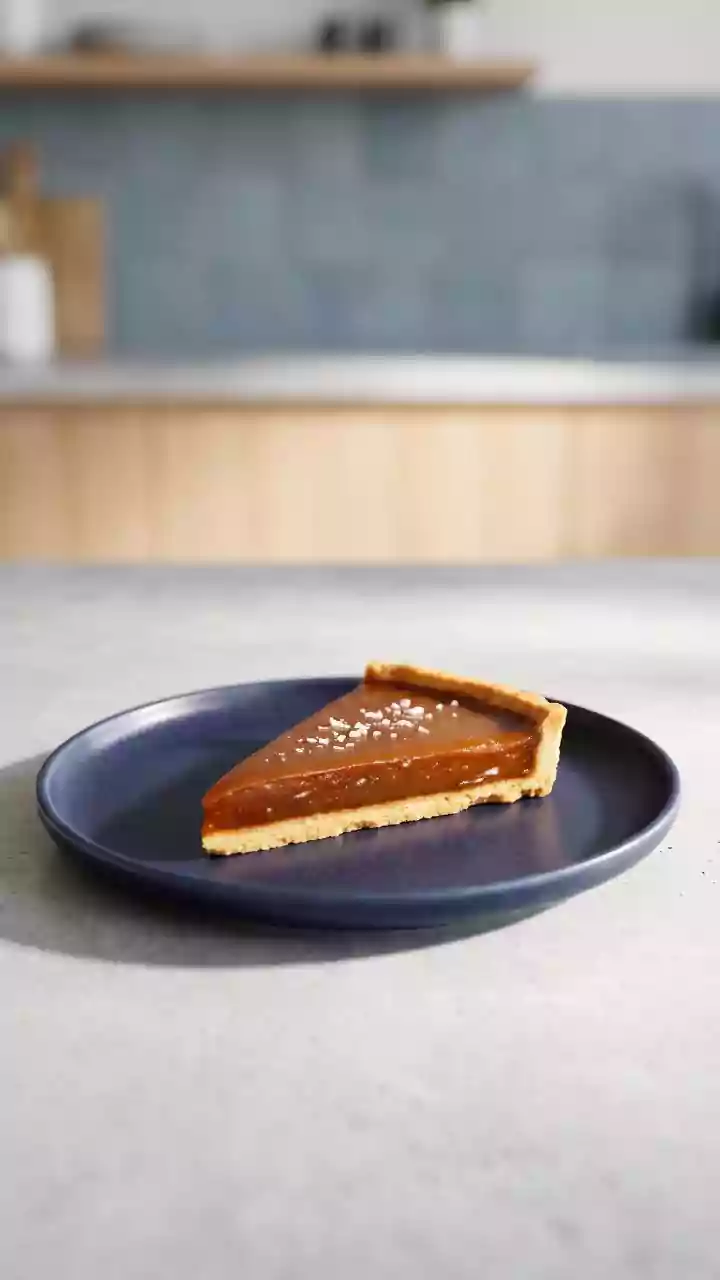
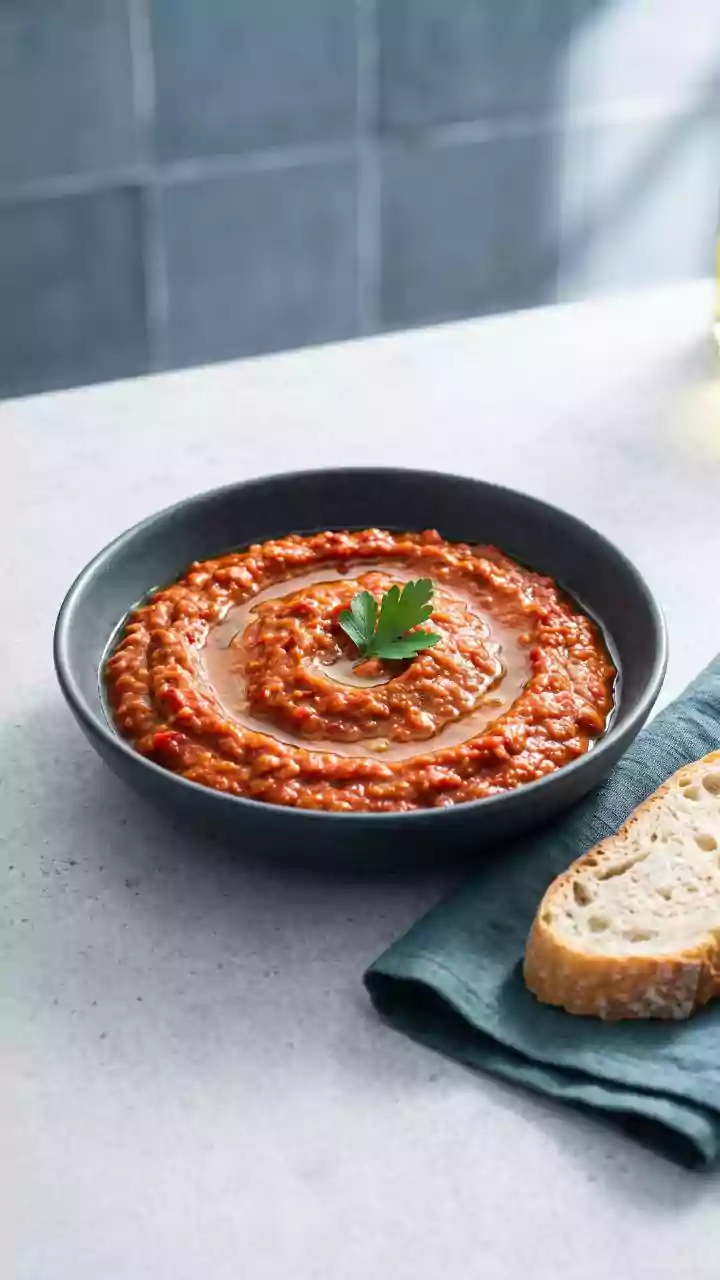
You don’t need to be a professional chef to use these principles. For families with picky eaters, serving vegetables on colourful green or orange plates might make them seem more appealing. If you're trying to manage your portion sizes, simply switching to smaller plates can make a noticeable difference without feeling like you're dieting. Use high-contrast plates to make your food stand out; for example, serving a creamy pasta on a dark blue or black plate can make the dish look more striking and satisfying. For special occasions, using elegant white plates can make your home-cooked meal feel more like a fine-dining experience, enhancing the perceived flavour and quality for your guests.