







Start Slow and Gentle
After a fast, your digestive system is in a state of rest. Suddenly overwhelming it with a large, heavy meal can lead to bloating, abdominal pain, and general discomfort. The key is to reawaken your digestion gradually. The first meal you have should
be small, light, and easy to digest. Think of it as a gentle nudge, not a sudden jolt. Traditionally, many cultures break a fast with something simple, like an apple. Other excellent options include a small bowl of soup, particularly a clear broth, or some steamed vegetables. These foods provide hydration and nutrients without demanding too much from your gut.
Hydration is Your First Priority
Before you even think about solid food, focus on fluids. Fasting can lead to the loss of water and essential minerals. Rehydrating is a mandatory first step to re-establish your body’s fluid balance and support nerve and muscle function. Start with plain water. You can also include other nourishing fluids like coconut water, buttermilk, or light vegetable broths. Avoid sugary drinks or excessive caffeine, as these can irritate your sensitive system. Proper hydration prepares your gastrointestinal tract for the food that will follow and helps prevent issues like dizziness or cramping.
Reintroduce Food Groups Mindfully
Don’t rush to eat everything at once. Plan to reintroduce different types of food over several small meals. After starting with liquids and easily digestible fruits or cooked vegetables, you can move on to other food groups. A good next step is a small portion of a lean, simple protein like fish, chicken, or an egg, which are easier on the system than red meat. Healthy fats, such as half an avocado, can also be incorporated. Wait a couple of hours between these initial small meals to give your body time to adjust. Heavier foods, like whole grains, nuts, and dairy products, should be among the last things you reintroduce, especially after a longer fast.
Navigating the Festive Spread
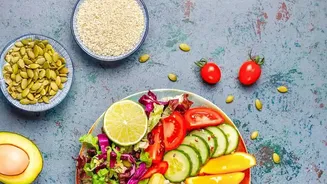
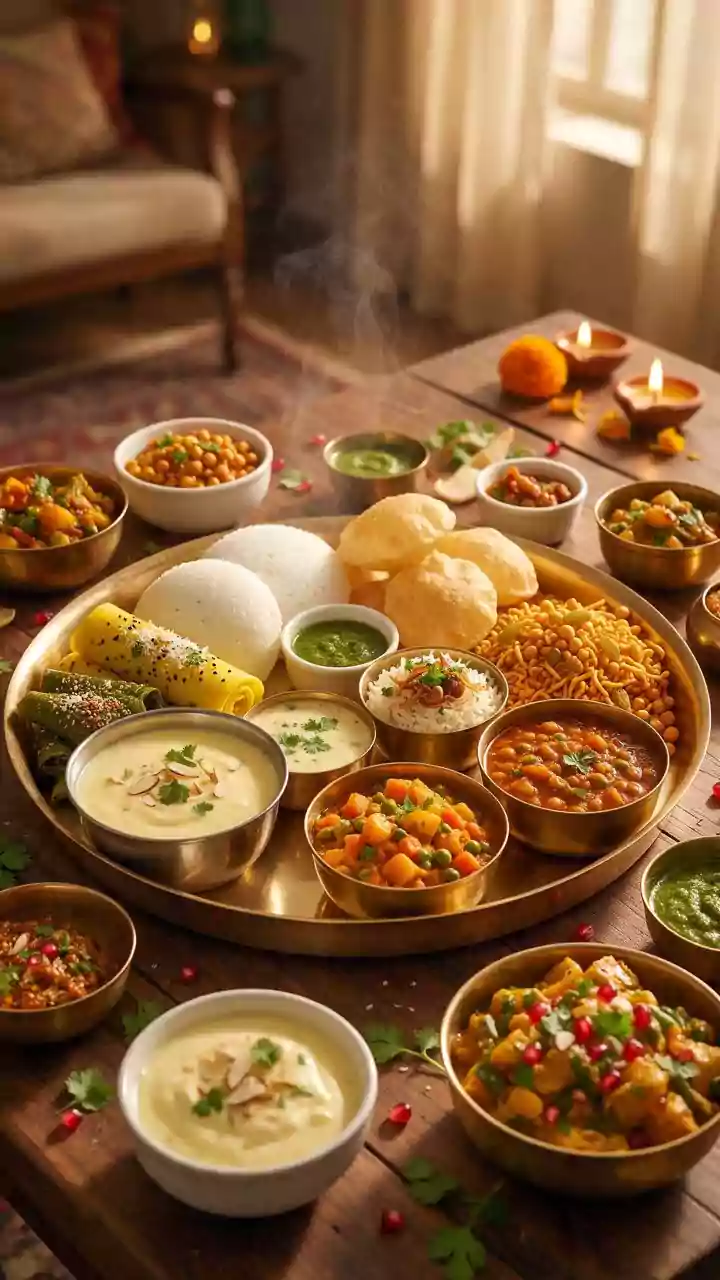
Once your system has readjusted, you can start enjoying the festive fare. However, moderation remains crucial. It can be tempting to indulge, especially with foods you've missed, but going overboard can undo the benefits of your fast and leave you feeling sluggish. When you face the festive table, be mindful. Start with a salad or vegetables to fill up on fibre. Choose grilled, baked, or steamed items over deep-fried ones. Practice portion control; you can sample a variety of dishes, but keep the servings small. Eating slowly and savouring each bite not only enhances enjoyment but also gives your brain time to register fullness, preventing overeating.
Listen to Your Body’s Cues
Your body provides the best feedback. Pay close attention to its signals of hunger and satiety. After a fast, your system is often more sensitive, making it easier to notice when you are comfortably full. Eating at regular times can help reset your body's internal clock and regulate your appetite. If you experience any digestive distress like gas or bloating, it’s a sign to pull back and return to simpler, lighter foods. Don't feel guilty about festive eating; the goal is balance, not perfection. If you have a larger meal one day, simply return to your balanced eating pattern the next.
Plan for a Balanced Return
To avoid falling into a cycle of unhealthy eating after the initial celebrations, it helps to have a plan. After the main festive day, aim to structure your meals around a balance of protein, complex carbohydrates, and fresh produce. Including protein-rich foods like dal, paneer, soy, or eggs helps restore energy levels and support muscle health. A variety of seasonal fruits and vegetables will replenish essential vitamins and minerals. Giving your body a few days of simple, nourishing, and regular meals will help you comfortably transition back to your normal routine, feeling energised and healthy.