


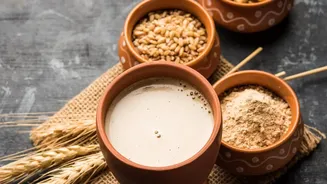
As Karwa Chauth approaches on October 29, 2026, planning the pre-dawn sargi meal is key to a smooth fast. The secret isn't eating more, but eating smarter. Pairing protein with fibre is the most effective strategy for sustained energy and fullness.
Why Protein and Fibre Are a Power Duo
The
Karwa Chauth fast, or 'nirjala vrat', is demanding, requiring abstinence from both food and water from sunrise until moonrise. This makes the sargi meal critically important. While traditional foods are cherished, understanding the nutritional science behind them can elevate your experience. Protein is vital because it is the most satiating macronutrient, meaning it keeps you feeling full for longer than carbohydrates or fats. It helps stabilize blood sugar levels, preventing the sharp energy crashes and hunger pangs that can lead to headaches and fatigue mid-day. Meanwhile, fibre slows down digestion and the absorption of sugar into the bloodstream. This ensures a slow, steady release of energy throughout the day. Soluble fibre, found in foods like oats and fruits, also helps you feel full, while certain fibres support gut health, which can be disrupted by changes in eating patterns.
Powerful Protein Choices for Your Sargi
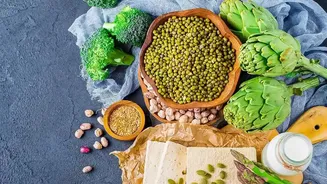
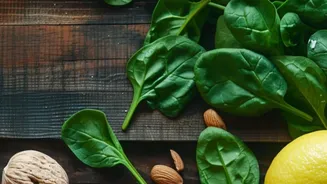
Integrating protein into your sargi is simple and can be done with many traditional favourites. Paneer (cottage cheese) is an excellent choice; you can have it as cubes, in a lightly spiced bhurji, or stuffed into a paratha. Curd (dahi) is another protein powerhouse that is also cooling and provides probiotics for gut health. A bowl of thick dahi, perhaps with some fruit, is a perfect addition. Lentils and legumes, such as in a moong dal cheela or a bowl of warm kala chana, offer plant-based protein and are gentle on the stomach. Nuts and seeds like almonds, walnuts, and chia seeds are dense sources of protein and healthy fats that contribute to lasting satiety. Just a handful of soaked nuts can make a significant difference in your energy levels.
Fibre-Rich Foods for Lasting Fullness
Fibre provides the foundation for a sargi that sustains you. Whole grains are a primary source. Opt for a whole-wheat or multigrain roti instead of one made with refined flour. Daliya (cracked wheat) or oats cooked in milk are other fantastic options that provide complex carbohydrates and fibre. Fruits are essential for both fibre and hydration. Apples, bananas, and pomegranates are excellent choices. They provide natural sugars for an initial energy boost, while their fibre content ensures that energy lasts. You can also include vegetables in your sargi, such as in a stuffed paratha or a simple, lightly-cooked sabzi, to increase your fibre intake and add micronutrients.
Smart Sargi Meal Combinations
The magic happens when you combine these food groups. Instead of just having a bowl of seviyan, add a handful of nuts to it. Here are a few balanced meal ideas:
1. The Classic Balanced Plate: One paneerstuffed whole wheat paratha with a bowl of plain curd. Pair this with a small apple and a few soaked almonds. This combines protein from paneer and curd with fibre from the whole wheat and apple.
2. The Light and Nourishing Bowl: A bowl of daliya or oats cooked in milk, topped with pomegranate seeds and chopped walnuts. This meal is easy to digest and provides a great mix of protein, fibre, and healthy fats.
3. The Savoury Option: A moong dal cheela stuffed with crumbled paneer. Have this with a glass of coconut water and a few dates stuffed with walnuts. The cheela provides protein, while the dates offer natural energy and fibre.
What to Limit for an Easier Fast
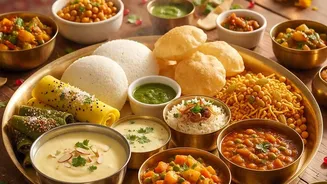
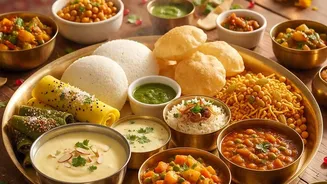
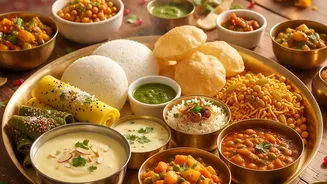
Just as important as what to eat is what to avoid. Steer clear of heavily fried foods like puris or pakoras, as they can feel heavy and cause sluggishness. Excessively salty items like pickles and mathri should also be limited, as they can increase thirst during a waterless fast. Similarly, relying on overly sweet foods or sugary drinks can cause an initial energy spike followed by a crash, leaving you feeling tired earlier in the day. The goal is to eat slowly and mindfully, stopping when you feel comfortably full, not stuffed. Rushing the meal can lead to bloating and discomfort later.