




Defining the Perfect Strawberry
The journey begins not in a field, but with a question: What makes a better strawberry for India? Breeders must first define their goals. Are they aiming for a fruit that is more resistant to a specific local pest or disease, like verticillium wilt or anthracnose?
Perhaps the goal is a berry that can withstand the unpredictable weather patterns of regions like Mahabaleshwar, which produces about 85% of India's strawberries. Other targets could be improved flavour, larger size, a longer shelf life to survive the supply chain, or higher yield to make farming more profitable. India has also been largely dependent on varieties imported from places like California, so creating a domestic variety suited to local conditions is a major ambition.
The Art of Matchmaking
Once goals are set, breeders select parent plants that exhibit the desired traits. For instance, one parent might have excellent flavour but be susceptible to disease, while another might be very hardy but less sweet. The delicate process of cross-pollination then begins. Breeders manually transfer pollen from one parent plant to the flower of the other, often using a small brush. This is a meticulous process, with major breeding programs performing hundreds of unique crosses to create a wide genetic pool. Each successful cross-pollination results in a fruit, and the seeds from that fruit hold the genetic lottery tickets for a potential new variety.
From Thousands of Seeds to a Few Hopefuls
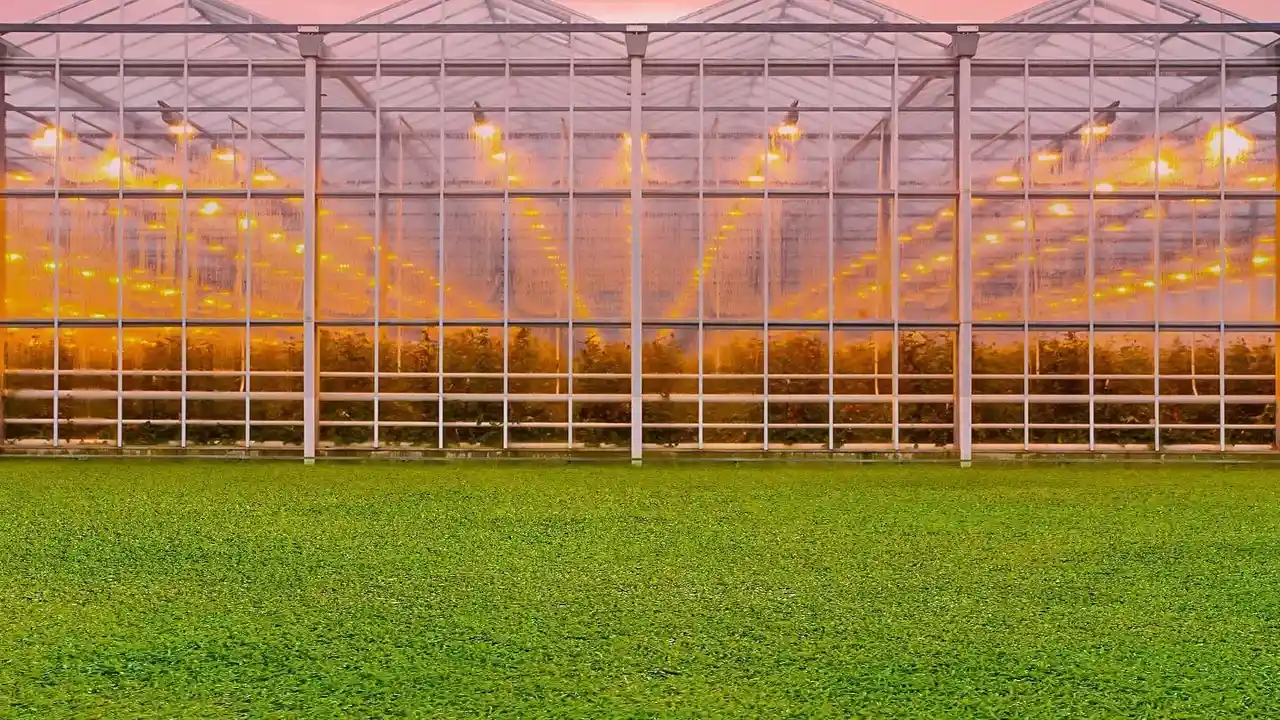
The seeds from these cross-bred berries are carefully harvested and germinated in a controlled greenhouse environment. This stage is a numbers game. A breeding program might start with 4,000 to 10,000 unique seeds each year. Each seed grows into a seedling, which is a genetically distinct individual. From these thousands of seedlings, breeders begin the rigorous process of selection. They look for initial signs of vigour and health. The vast majority, often more than 99%, will not make the cut and are discarded. Only the most promising few hundred seedlings are chosen to move on to the next, much longer, phase.
The Trial Years: Testing in the Real World
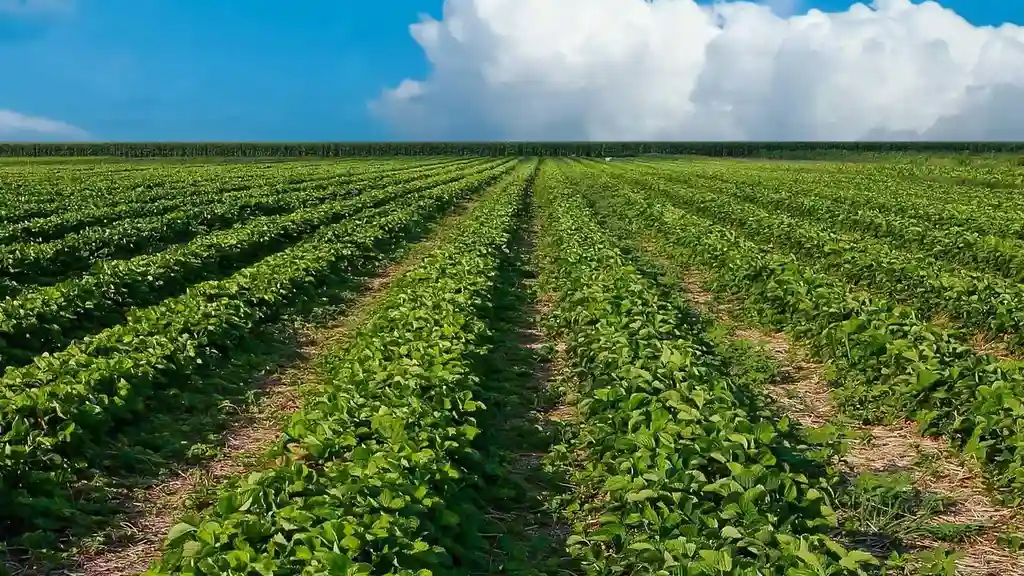
This is where the bulk of the 10 to 15 years is spent. The handful of elite selections are propagated, typically by runners, to create genetically identical clones. These clones are then planted in small field trials. For several years, researchers evaluate them on dozens of metrics: How is the yield? What is the fruit size and firmness? How does the flavour hold up? Most importantly, how does it perform across different seasons? A plant that does well one year might fail the next. The selections that continue to show promise are then advanced to multi-location trials, planted in different agro-climatic zones across the country to test their adaptability and stability. This ensures a new variety will be reliable for farmers in various parts of India, not just in one specific research station.
The Final Hurdle: Reaching the Farmer
After nearly a decade of continuous evaluation, a single selection might prove to be consistently superior in all desired aspects. It must outperform existing popular varieties like Chandler or Camarosa, which are widely grown in India. Once a winner is declared, it is given a name and officially released. But the work isn't over. The variety must be mass-propagated to produce enough healthy, virus-free planting material for commercial growers. This final step, from release to widespread availability for farmers, can itself take a few more years, completing the long and arduous journey from a breeder’s concept to a delicious fruit available in the market.