


A Seismic Surprise Beneath the Surface
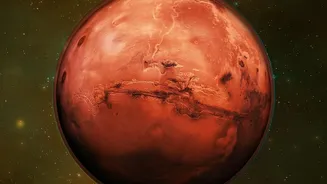
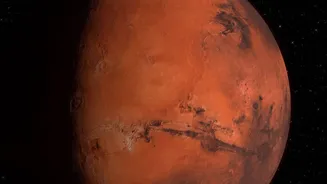
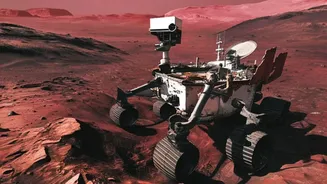
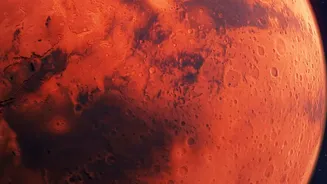
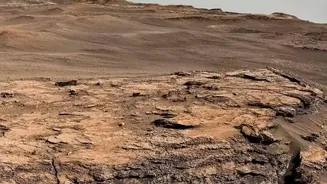
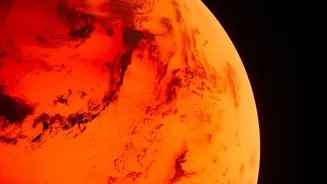
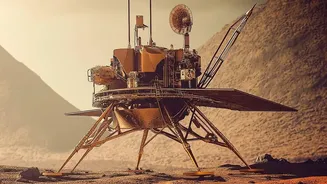
Recent analysis of data from NASA's InSight lander has revealed something astonishing beneath the quiet, dusty surface of Mars. Scientists at the University of Oxford, studying seismic waves from 'marsquakes', found evidence of vast, interconnected networks
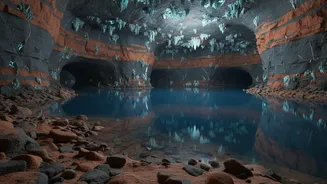
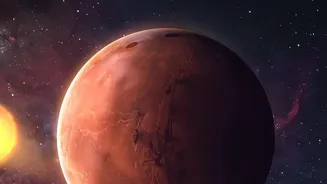
of magma that once bubbled deep within the planet's crust. This suggests that ancient Mars had a far more complex and geologically active interior than previously imagined. Until now, Mars was thought to have a relatively simple internal structure because it lacks the moving tectonic plates that define Earth's geology. Instead of isolated volcanic plumes, this new evidence points to a massive underground plumbing system that could have stewed and separated molten rock, creating a more chemically diverse crust over billions of years.
The Old Blueprint for a Living Planet
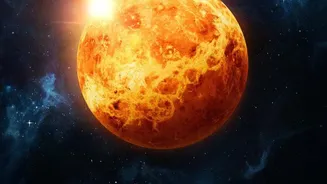
The long-standing theory for habitability has been heavily based on our own world. On Earth, plate tectonics act as a planetary thermostat. This constant churning recycles materials, drags carbon deep into the mantle, and releases it through volcanoes. This carbon cycle helps regulate the climate over geological timescales, preventing the planet from freezing over or becoming a runaway greenhouse like Venus. Because most of Earth's volcanoes and geothermal activity are linked to the edges of these plates, it was widely assumed that without this process, a planet’s climate would become unstable, making it hostile to life. Planets without this feature, known as 'stagnant lid' worlds, were often considered poor candidates in the search for extraterrestrial life.
Life on a 'Stagnant Lid' World?
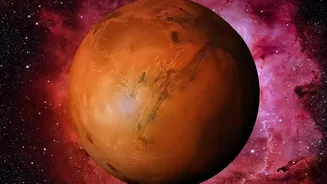
The new Mars finding provides a compelling alternative. It suggests that a planet doesn't necessarily need moving plates to have a dynamic interior capable of supporting a habitable environment. The vast magma systems discovered on Mars could have performed a similar function to plate tectonics. By venting enormous quantities of greenhouse gases into the atmosphere, this volcanism could have helped keep the planet warm enough for liquid water, even as its atmosphere was slowly stripped away by solar winds. This process could also enrich the surface with a variety of minerals and chemicals, creating the complex building blocks necessary for life to emerge. In essence, Mars may have found a different way to create the conditions for life, demonstrating that a stagnant lid doesn't mean a planet is geologically dead.
Why This Changes the Search for Life
The implications of this discovery extend far beyond Mars. Astronomers believe that stagnant lid planets are likely far more common throughout the universe than worlds with active plate tectonics like Earth. For years, the search for habitable exoplanets has often prioritised finding Earth's twin — a rocky planet of a similar size in a similar orbit around a sun-like star, presumably with plate tectonics. This new Martian insight effectively breaks open those constraints. Now, countless rocky worlds that might have been previously dismissed are back in play as potential homes for life. The cosmic real estate available for habitability has suddenly expanded, increasing the statistical odds that we might one day find life elsewhere.