







From Relays to Brains in the Sky
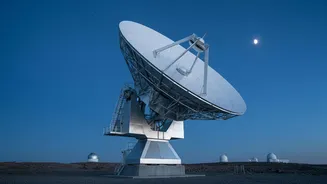
Traditionally, satellites were like very expensive, very distant messengers. They collected raw data—be it an image, a GPS signal, or a weather pattern—and beamed it back to Earth. Here, massive ground stations and teams of analysts would process the information
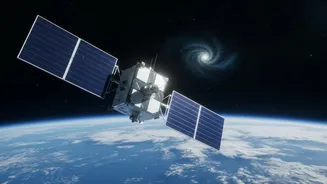
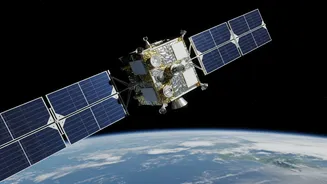
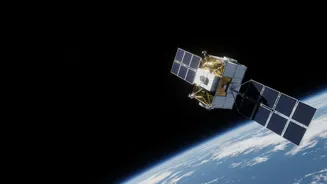
before it could be used. This created a significant delay between data capture and actionable insight. The current push for “smarter” satellites flips this model on its head. Instead of just carrying cameras and antennas, new satellites are being launched with powerful onboard computers and artificial intelligence (AI) algorithms. This is effectively 'edge computing' for space, allowing satellites to process, analyse, and understand data right where it is collected, in orbit. This shift transforms them from passive collectors into active, intelligent observers.
The Dawn of True Autonomy
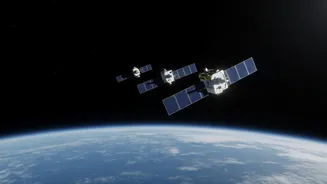
This onboard intelligence is the key that unlocks autonomous mission operations. Autonomy means satellites can make their own decisions without waiting for commands from a human operator on the ground. For a single satellite, this could mean automatically adjusting its orbit to avoid space debris or deciding which data is important enough to send back. For a large constellation of thousands of satellites, like those being built by companies like SpaceX, it’s essential. Autonomous systems allow these vast networks to manage themselves, coordinating their movements, handing off data through laser links, and working as a cohesive unit or “swarm” with a shared brain to accomplish complex goals. This drastically reduces the need for human intervention, which becomes impractical and costly when managing thousands of individual spacecraft.
Real-World Benefits, Real-Time Results
The implications of this shift are enormous. For time-critical applications like disaster response, the difference is profound. An autonomous satellite detecting the start of a wildfire can analyse the imagery on the spot, confirm the event, and immediately alert emergency services, all within minutes. The old method might have taken hours. In agriculture, smart satellites can monitor crop health in real time and pinpoint areas that need water or fertiliser, optimising resources. For defence and security, the ability to detect and respond to threats with minimal delay is a game-changer. By processing data in orbit, these systems cut down on the immense volume of information that needs to be sent to Earth, solving a major bottleneck and speeding up the delivery of crucial intelligence.
New Challenges in the Cosmos
This leap forward is not without significant challenges. Placing complex, AI-driven software in the harsh, remote environment of space is a major engineering feat. The systems must be incredibly reliable, as a software bug can't be easily fixed by a technician hundreds of kilometres above the Earth. Furthermore, as orbits become more crowded with autonomous constellations, the risk of collision grows. This necessitates sophisticated, cooperative traffic management systems and new international laws to govern how these independent machines interact. Cybersecurity is another critical concern; protecting these intelligent, interconnected assets from being hacked or spoofed is paramount to ensuring the stability of the services we rely on, from GPS to global internet.