



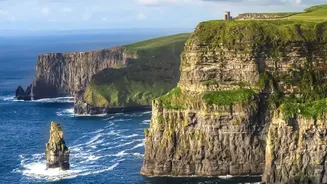

What is the 'Our Living Islands' Policy?
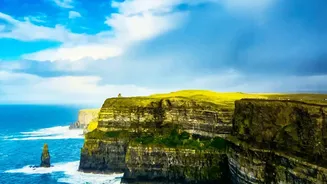
The headlines about getting paid to move to an Irish island stem from a real government strategy called 'Our Living Islands'. Launched in 2023, it's a 10-year plan to revitalise around 30 remote island communities that are not connected to the mainland
by bridges. These islands have seen their populations shrink over the years as residents move to the mainland for more opportunities. The policy isn't just about housing; it also aims to improve healthcare, transport, and high-speed internet to make island life more sustainable. The attention-grabbing grants are part of a wider fund called the Vacant Property Refurbishment Grant, with the island scheme offering an extra incentive to tackle the unique challenges of renovating in a remote location.
Breaking Down the Grant Money
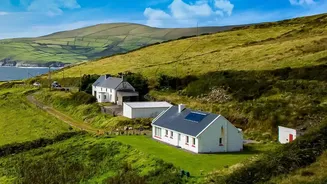
The figures can be confusing, so let's clarify. The scheme offers a base grant for renovating old properties across Ireland. If you buy a qualifying vacant property, you can get up to €50,000 for renovations. If the property is classified as derelict—meaning it's structurally unsound—that grant increases to €70,000. The 'Our Living Islands' policy adds a 20% 'top-up' for properties on the designated offshore islands. So, a vacant island home can qualify for up to €60,000 (€50,000 + 20%), and a derelict island home can receive up to €84,000 (€70,000 + 20%). It's a significant amount, but it's a reimbursement for renovation work, not cash to buy the house.
The Fine Print: Key Conditions
This is not free money. The grant comes with strict rules. First, you must already own the property or be in the process of buying it. The grant is to pay for refurbishment costs—like roofing, structural work, and installing heating—not the purchase price or cosmetic extras like furniture. The property must have been built before 2008 and have been vacant for at least two years. Crucially, once the renovation is complete, you must live in the house as your main home or rent it out on a long-term lease. Short-term holiday lets, like on Airbnb, are not allowed.
The Big Question: Can Indians Apply?
Yes, anyone, including non-EU citizens from India, can apply for the grant. However, this is the most misunderstood part of the scheme. The grant has no nationality requirement, but it does NOT grant you the right to live in Ireland. An applicant from India must separately and independently secure the legal right to reside in the country through a valid work permit, study visa, or other long-stay visa before they can live in the property they renovate. In other words, you have to solve the immigration challenge first. The grant is tied to the property, not the person, and is completely separate from the visa process.
A Reality Check on Island Life
While the financial incentive is attractive, applicants must be realistic about the lifestyle. These are remote communities by design. Life on islands like Arranmore, Clare Island, or Inis Oírr is dictated by ferry schedules and the weather. Services, from shops to hospitals, are limited. The renovation itself can be more expensive and complicated due to the logistics of getting materials and labour to an island. While the grant is substantial, it may not cover the full cost of bringing a derelict cottage back to life. It is a project for someone who genuinely wants a quiet, community-focused life and is prepared for the challenges that come with it. As of early 2025, uptake on the islands has been modest, showing it's a path for a very specific type of person.