
The Joy of Homemade Roasted Peanuts
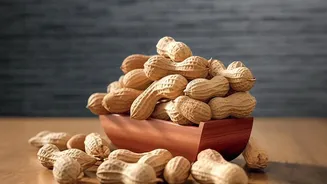
Store-bought roasted peanuts are a staple, but making them at home elevates the experience entirely. The aroma that fills your kitchen, the superior freshness, and the ability to control every ingredient from the type of oil to the level of salt are benefits
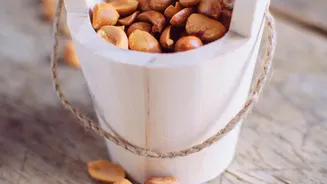
you just can't get from a jar. Roasting your own peanuts is a simple process: just toss raw, shelled peanuts in a single layer on a baking sheet and bake at 350°F (175°C) for 15-20 minutes. The key is to pull them from the oven just before they seem perfectly done, as they will continue to cook from residual heat as they cool. This control is what makes homemade so special, but it’s also where things can go slightly awry, particularly when it comes to seasoning.
The Common Salting Mistake
The most crucial moment for flavouring is immediately after the peanuts come out of the oven. While they are still hot and their natural oils are on the surface, they are perfectly primed for salt and other seasonings to adhere. A light coating of oil or melted butter before roasting can also help. The common mistake is an uneven or overly generous application of salt. It’s a delicate balance; you want enough salt to enhance the peanut’s rich, nutty flavour, but a fraction too much can overpower it. Many home cooks find themselves with a batch where some peanuts are bland and others are intensely briny, with a frustrating amount of loose salt collecting at the bottom of the bowl.
The Sieve: Your Secret Weapon
This is where the humble kitchen sieve or colander becomes your most valuable tool. The principle is straightforward: after tossing your hot, freshly salted peanuts, let them cool for just a minute or two. Then, transfer them into a mesh sieve or colander and give them a gentle but firm shake over a bowl or your sink. The motion dislodges any salt crystals that failed to properly adhere to the peanuts' oily surface. What you're left with are perfectly seasoned peanuts, with the excess, loose salt conveniently collected below. A metal mesh strainer is often more effective than a nylon one, as its slightly abrasive texture helps knock off more of the excess salt.
Perfecting the Technique
For the best results, timing and technique matter. Always salt the peanuts while they are still hot from the oven. Use a fine-grain salt, like popcorn salt, as its smaller crystals will stick more effectively than coarse sea salt. Once salted, give the peanuts a good toss in their bowl to ensure they are evenly coated. Then, let them rest for just a couple of minutes before you begin the sieving process. This brief cooling period is important; it allows the salt to set on the surface without becoming permanently fused. Some sources even suggest a specific temperature window of 40–55°C for optimal salt removal, as this is when the surface oils have the right viscosity to release loose crystals.
Other Methods for Salt Removal
While sieving is arguably the cleanest and most direct method for freshly roasted nuts, other techniques exist. Shaking the warm nuts in a paper bag is a popular hack that works on a similar principle of friction. The friction against the paper dislodges excess salt. However, rinsing is generally discouraged. While washing nuts with water will certainly remove salt, it also introduces moisture that can ruin their crunchy texture and make them soggy. If you do choose to rinse store-bought nuts that are too salty, you must thoroughly dry them again in a low-temperature oven or a dehydrator to restore some of their crispness.
Beyond Just Salt
Once you've mastered the art of perfectly salted peanuts, feel free to experiment with other flavours. The same principle applies: toss the hot peanuts with your chosen spice blend immediately after they come out of the oven. Popular additions include garlic powder, paprika, cayenne pepper for a spicy kick, or even a sweet combination of cinnamon and sugar. By using the sieve method, you ensure that not only the salt but also any excess from your spice blend is removed, resulting in a balanced and delicious coating every time.