


The Science Behind Barley and Blood Sugar
Barley's power lies in its impressive fiber content, particularly a soluble fiber called beta-glucan. When you eat barley, this beta-glucan forms a thick gel in your digestive tract. This gel slows down the digestion and absorption of carbohydrates, which
helps prevent sharp spikes in blood sugar after a meal. In fact, studies have shown that barley can be remarkably effective at lowering post-meal blood glucose levels, even more so than oats in some cases. This slow release of energy not only aids in blood sugar management but also increases feelings of fullness, helping to control appetite and reduce cravings later in the day.
Choosing the Right Type of Barley
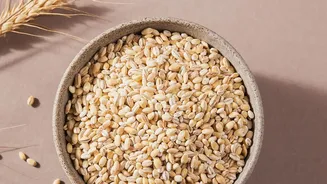
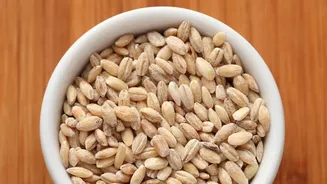
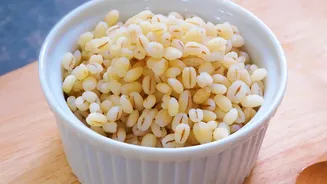
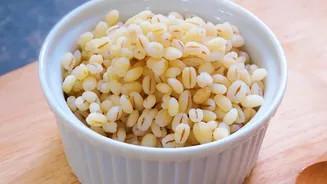
When you're at the grocery store, you'll likely see two main types of barley: hulled and pearled. Hulled barley is the whole-grain version, with only the tough, inedible outer husk removed. It retains its bran and germ, making it higher in fiber and nutrients. Pearled barley has had the bran layer polished off, which means it has slightly less fiber but cooks faster. While hulled barley is the most nutritious choice, pearled barley is still an excellent source of beneficial beta-glucan fiber and a great option for blood sugar control. Its glycemic index is exceptionally low, often cited as one of the lowest among all grains.
How to Cook Barley for Breakfast
Cooking barley is simple, though it takes a bit longer than oatmeal. For hulled barley, it’s a good idea to soak it overnight to reduce cooking time. A general rule is to use one part barley to three parts water. Bring the water to a boil, add the rinsed barley, then reduce the heat, cover, and let it simmer. Pearled barley typically takes 40-50 minutes, while hulled barley may need closer to an hour. The grain is ready when it's tender with a pleasant, chewy texture. You can cook a large batch at the beginning of the week and store it in the refrigerator for quick breakfasts for several days.
Building a Balanced Breakfast Bowl
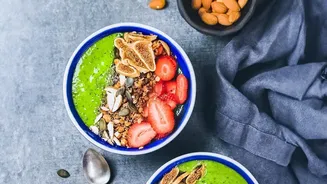
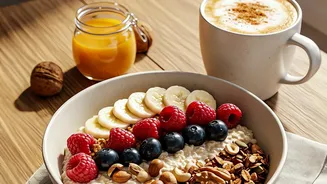
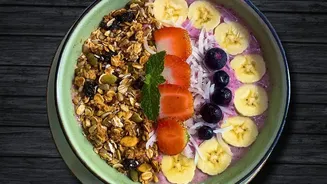
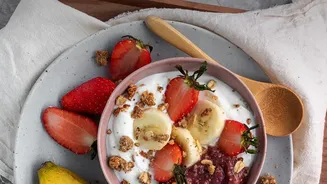
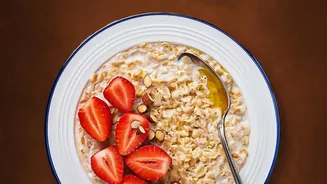
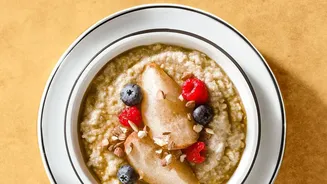
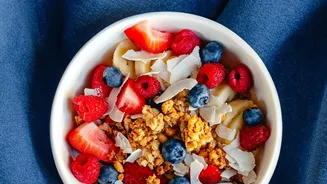
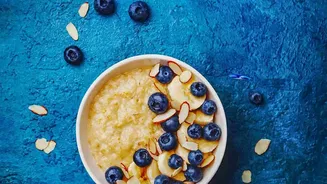
Once your barley is cooked, the fun begins. A great breakfast bowl balances complex carbs, protein, and healthy fats. Start with a base of warm, cooked barley. Toppings are key for both flavor and sustained energy. For a protein boost, add a dollop of Greek yogurt or a sprinkle of nuts and seeds like almonds, walnuts, or chia seeds. Healthy fats can come from these nuts or a spoonful of your favorite nut butter. For natural sweetness and extra nutrients without a sugar crash, top your bowl with fresh or frozen berries, sliced peaches, or a chopped apple. A dash of cinnamon can also enhance the flavor and has its own blood-sugar-regulating properties.
Beyond the Breakfast Bowl
While a breakfast bowl is a fantastic way to enjoy barley, it's a versatile grain that can be used in other morning meals. You can toss a scoop of cooked barley into a smoothie for extra fiber and staying power. It can also be made into a creamy porridge, similar to oatmeal, by cooking it a little longer with milk or a plant-based alternative. Some people even use barley flour in pancakes or muffins. Experimenting with different preparations can keep your blood-sugar-friendly breakfast routine interesting and delicious.