






The Holy Trinity of Flavour
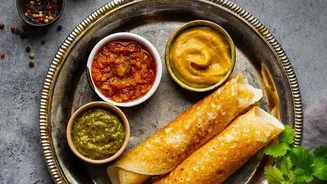
At any given morning street corner in India, the sizzle of dosa batter hitting a hot plate or the soft landing of an idli into a waiting leaf-plate is accompanied by a trio of liquid jewels. These are the classic breakfast chutneys: a creamy white coconut
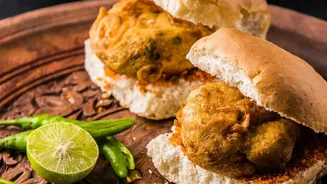
chutney, a vibrant green coriander-mint version, and often a tangy red tomato or tamarind chutney. These aren't just condiments; they are essential components that balance the meal. The cooling coconut, the zesty green, and the sweet-sour tang of tamarind are a masterclass in flavour dynamics, perfected over generations. They are the unsung heroes that cut through richness, add moisture, and wake up the palate, forming the foundational taste profile of breakfasts from Mumbai's vada pav to Bangalore's dosas.
A Crackdown on Cleanliness
For all their flavour, street chutneys have long been at the center of a major concern: hygiene. In 2026, this issue is under a microscope. Recent reporting reveals a significant push by regulators like the Food Safety and Standards Authority of India (FSSAI) to enforce stricter sanitation standards among street vendors. A September 2026 study in Pune highlighted widespread non-compliance, with major gaps in sanitation and the use of potable water for washing ingredients. The report noted that while many vendors cook food thoroughly, areas like handwashing, waste management, and proper food storage remain critical issues. In response, the FSSAI has initiated partnerships to train and sensitize vendors on hygiene, aiming to create designated, easier-to-monitor street food hubs. This nationwide crackdown is forcing a change, pushing vendors to reconsider everything from their water source to the cleanliness of their blenders.
Innovation Born from Pressure
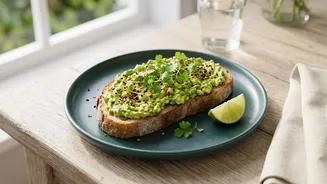
The pressure to adapt isn't just coming from regulators; it's also economic. With rising ingredient costs, vendors face a tough choice: compromise on quality or innovate to justify prices. Many are choosing the latter, leading to a surge in creative chutney offerings. The 'swicy' (sweet and spicy) trend has firmly taken hold, with chutneys featuring jaggery-chilli and hot honey combinations becoming more common. Fusion flavours are also emerging, blending traditional profiles with new ideas, such as Schezwan-infused tamarind chutney or even creamy avocado-based green chutneys. This wave of innovation extends to health-consciousness, with some vendors experimenting with natural sweeteners like dates and jaggery instead of processed sugar to appeal to a more health-aware clientele.
Regional Stars Go Mainstream
Once, a specific type of chutney was a mark of its region—a fiery garlic chutney in Maharashtra, a peanut-based one in Andhra, or a tangy elephant apple (Oou Khatta) chutney in Odisha. Today, thanks to social media food bloggers and a more mobile population, these regional specialties are breaking their geographic boundaries. A diner in Delhi might now find a South Indian-style peanut or 'palli' chutney served with their morning paratha, something unheard of a decade ago. This culinary cross-pollination is enriching the street food landscape, allowing vendors to differentiate themselves by offering a unique, regional taste that stands out from the standard offerings. The humble chutney is becoming a vehicle for exploring India's vast culinary diversity, one spoonful at a time.
The Vendor's Dilemma
Behind these trends lies the reality for India's estimated 10 million street vendors, who form a vital part of the urban economy. The FSSAI's hygiene push, while necessary for public health, presents a challenge for vendors operating with minimal infrastructure. Many lack access to facilities for proper cold storage or designated handwashing stations. Furthermore, the economic squeeze from inflation makes it difficult to afford high-quality ingredients. A recent study highlighted that lower income among vendors was directly associated with lower compliance scores in maintenance and sanitation. This puts them in a bind: invest in costly upgrades to meet new standards or risk being shut down. The future of the street-side chutney, therefore, depends on finding a balance between regulation and supporting the livelihoods of the millions who make this culinary culture thrive.