




Why Freshness and Cleanliness Are Crucial
When you create DIY beauty treatments, you are essentially making fresh, preservative-free cosmetics. The pigments in beetroot that impart colour, called betalains, are most potent when fresh. Once the juice is extracted, it begins to oxidise, which can
diminish the vibrancy of the tint. A freshly prepared mixture ensures you get the strongest colour payoff. Similarly, using clean tools is non-negotiable. Bowls, blenders, and brushes can harbour bacteria and microbes from previous uses or the environment. Introducing these contaminants into your hair mask can lead to scalp irritation or infections, and can cause your mixture to spoil quickly. Sterilising your tools ensures that the only things you're putting on your scalp are the beneficial nutrients from your ingredients.
The Essential Toolkit and Prep
Before you begin, gather and clean your equipment. You will need a blender or juicer, a mixing bowl, an applicator brush, gloves, and a shower cap. Wash all tools thoroughly with hot, soapy water and allow them to dry completely before use. To protect your skin and clothing from stains, wear an old t-shirt and apply petroleum jelly or coconut oil along your hairline, ears, and neck. Always start with hair that has been washed a day prior, as this removes product buildup without stripping the natural oils that help the colour adhere. And remember to perform a patch test on a small section of skin to rule out any sensitivities.
Simple Beetroot Hair and Scalp Rinse
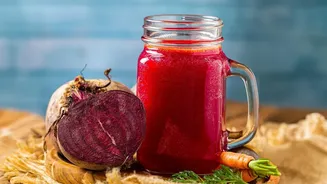
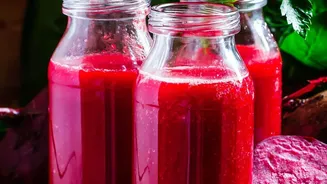
For a simple introduction to beetroot's benefits, a hair rinse is a great start. It can help soothe an itchy scalp, reduce dandruff, and add a subtle glow. First, juice one or two fresh beetroots to get about one cup of juice. For an extra conditioning boost and to make the tint last longer, mix the fresh juice with two to three tablespoons of a carrier oil like coconut or olive oil. After putting on your gloves, pour the mixture over your hair, massaging it gently into your scalp and working it through to the ends. Cover your hair with a shower cap and let it sit for at least an hour; the longer you leave it, the deeper the tint. Finally, rinse thoroughly with cool or lukewarm water.
Nourishing Beetroot and Coconut Oil Mask
For a deeper conditioning treatment that also colours, a mask is ideal. The fats in coconut oil help moisturise the hair and scalp, which can be beneficial as beetroot alone can sometimes be slightly drying. To prepare, extract the juice from two fresh beetroots. In a clean bowl, combine the beetroot juice with about three tablespoons of melted coconut oil, mixing until you have a smooth, consistent paste. Apply the mask evenly through clean, dry hair, from roots to tips. A wide-toothed comb can help ensure even distribution. Wrap your hair in a shower cap and leave the mask on for one to two hours. Rinse with cool water, and avoid shampooing for at least 24 hours to allow the colour to fully set.
Tips for Maintaining Your Natural Colour
A natural tint from beetroot is temporary, but you can extend its life. Wash your hair as little as possible in the days following the treatment. When you do wash it, use a gentle, sulfate-free shampoo to prevent stripping the colour. Limiting heat styling, such as blow-drying or straightening, can also help preserve the vibrancy of the red hue. To keep your hair hydrated and enhance its shine, consider using a deep conditioning treatment weekly. You can reapply the beetroot dye every seven to ten days to build up a more intense colour or maintain the shade.