




The Wisdom of Warmth
Across India, the monsoon diet is guided by a common principle: eating warm, light, and freshly cooked meals. According to Ayurvedic tradition, the rainy season, or 'Varsha Ritu', is a time when our digestive fire ('agni') is naturally weaker. The cool,
damp weather can aggravate the 'Vata' dosha, leading to issues like bloating and indigestion. To counter this, kitchens embrace warming spices like ginger, turmeric, black pepper, and cumin. These ingredients not only add flavour but are believed to support digestion and boost immunity during a season when infections are common. This is why heavy meals, raw salads, and cold foods are generally avoided in favour of comforting, easy-to-digest dishes like soups and khichdi.
Western Ghats: Foraged and Fried
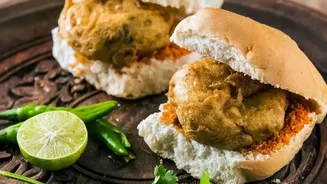
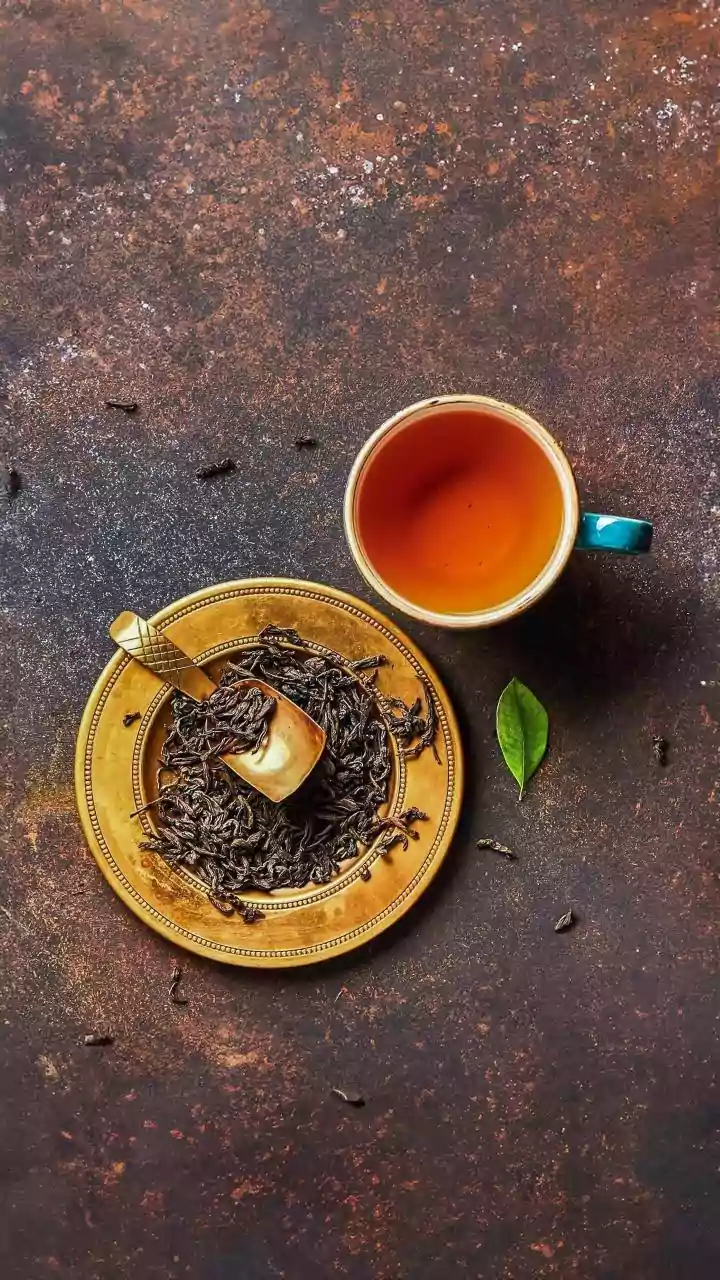
Along the western coast, the monsoon brings a bounty of foraged greens and a craving for crunchy, hot snacks. In Maharashtra, the quintessential monsoon scene features steaming cups of chai accompanied by 'kanda bhaji' (onion fritters) or 'batata vada' (spiced potato dumplings). Another beloved snack is roasted corn on the cob, or 'bhutta', seasoned with chilli, salt, and lime juice. Further south in Karnataka, colocasia leaves are used to make 'patrode', a dish where the leaves are smeared with a spiced rice paste, steamed, and then fried. During the Karkidakam month in Kerala, a time of heavy rainfall, the focus turns to rejuvenation. A medicinal rice porridge called 'oushada kanji' is prepared with special navara rice and a blend of herbs to build immunity.
Konkan Coast: A Time for Preservation and Steaming
The Konkan coast, spanning parts of Maharashtra, Goa, and Karnataka, has unique traditions shaped by the heavy rains that can limit access to fresh produce. This is the season when vegetables brined and dried during the summer, like mango and jackfruit seeds, are put to use. It's also a time for steamed delicacies. In Maharashtra, 'patolya' are made by spreading a rice flour paste over fresh turmeric leaves, filling it with a sweet mixture of coconut and jaggery, and then steaming the parcel. The leaf imparts a distinct, earthy aroma that is synonymous with the season. While fresh fishing is often restricted, dried fish becomes a monsoon staple in many coastal homes.
Eastern India: Fish, Rice, and Comfort
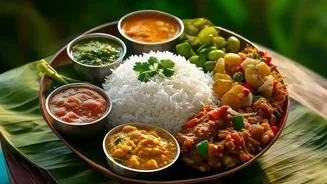
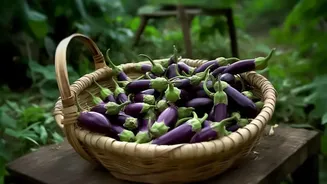
Moving to the eastern states, the monsoon is incomplete without celebrating the region's king of fish. In West Bengal, the arrival of 'ilish' or hilsa fish is an eagerly awaited event. The rich, oily fish is prepared in numerous ways, from being steamed in mustard paste ('bhapa ilish') to being simmered in a light stew. The ultimate Bengali comfort meal for a rainy day is a plate of 'khichuri'—a simple, wholesome dish of rice and lentils—served with a side of fried eggplant ('beguni') or a piece of fried ilish. In neighbouring Assam, the cuisine features unique ingredients like bamboo shoots and fermented fish, which add a pungent, distinctive flavour to monsoon curries.
A Universal Craving
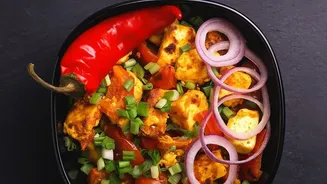
While regional specialities define the monsoon plate, some cravings are universal. The combination of 'pakoras' (assorted deep-fried fritters) and 'chai' (spiced tea) is a beloved ritual across the country. Whether it's onion pakoras in the north, 'parippu vada' (lentil fritters) in Kerala, or 'mirchi bajji' (chilli fritters) in Andhra Pradesh, the love for a crispy, hot snack on a rainy day transcends borders. This culinary tradition is more than just about taste; it’s about the comfort and warmth these foods provide, turning a grey, damp day into an opportunity for a simple, joyous celebration.