





An Ode to Classic Rasmalai
For generations, Rasmalai has been a cornerstone of Indian celebrations and sweet cravings. The dessert, with origins in the Bengal region, is cherished for its delicate, spongy discs of chhena (fresh Indian cheese) soaked in a luxurious, thickened milk
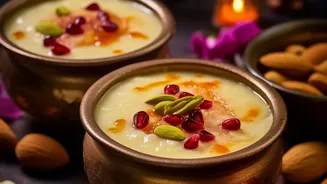
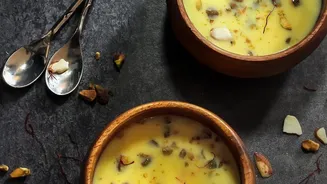
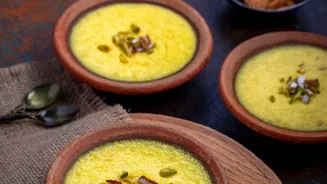
known as rabri. This milky bath is traditionally scented with cardamom, saffron, and garnished with slivers of pistachios and almonds, creating a melt-in-your-mouth experience that is both rich and refreshingly light. The art of making traditional Rasmalai involves carefully curdling milk to create soft chhena, kneading it, and then poaching the discs in sugar syrup before they meet their final, creamy destination. It is this unique texture and aromatic flavour that has cemented its place as a favourite across the country.
The Sabudana Reinvention
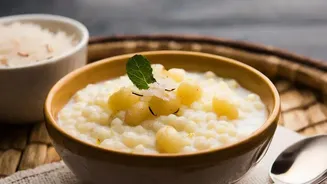
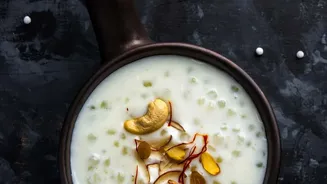
Enter the innovative and playful world of Sabudana Rasmalai. This modern interpretation swaps the chhena discs for patties or balls made from sabudana, or tapioca pearls. While it sounds unconventional, the concept has gained traction as a creative alternative, especially for those looking for a different texture or a dish suitable for fasting (vrat), when grains are often avoided. The translucent, chewy pearls are cooked and often blended or bound with ingredients like milk powder and sugar to form small, soft balls. These are then gently simmered in the same fragrant, thickened milk, allowing them to absorb all the classic Rasmalai flavours. The result is a dessert that looks familiar but offers a uniquely soft, slightly chewy, and gelatinous bite, setting it apart from its classic counterpart.
Why This Unlikely Pairing Works
The success of Sabudana Rasmalai lies in the humble tapioca pearl's inherent properties. Sabudana is essentially a starch that becomes soft, spongy, and translucent when cooked. Its neutral flavour profile makes it an excellent vehicle for absorbing other tastes, much like chhena. When simmered in the sweetened, saffron- and cardamom-infused milk, the sabudana balls soak up the rabri beautifully. Furthermore, the starch from the sabudana can help to thicken the milk base, contributing to a richer, more velvety consistency that is signature to a good Rasmalai. This ability to both provide a unique textural element and enhance the creaminess of the dish makes it a surprisingly effective substitute.
Your Guide to Making Sabudana Rasmalai
Curious to try this fusion dessert at home? The process is simpler than you might think. Most recipes follow a similar two-part method: preparing the sabudana balls and then the milk base.For the Sabudana Balls:1. Soak about a half cup of sabudana for several hours or until soft. It's crucial to drain all excess water completely.2. In a bowl or blender, combine the soaked sabudana with a few tablespoons of milk powder (for binding and richness) and powdered sugar.3. Mix or blend this into a dough-like consistency. Some recipes suggest a coarse grind for more texture.4. Grease your palms with a little ghee and shape the mixture into small, flat discs or round balls.For the Rabri and Assembly:1. In a heavy-bottomed pan, bring about a litre of full-fat milk to a simmer.2. Let the milk reduce on low heat until it thickens slightly. Add sugar to taste, a pinch of saffron strands (soaked in warm milk), and cardamom powder.3. Gently slide the prepared sabudana balls into the simmering milk. Cook on a low flame for 10-12 minutes, or until the balls become translucent and soft, without stirring too aggressively to prevent them from breaking.4. Finish with a garnish of chopped pistachios and almonds. Let it cool and then chill in the refrigerator for a few hours before serving for the best flavour and texture.