


1. Chana Dal (Split Bengal Gram)
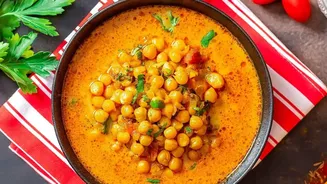
Chana dal is a nutritional heavyweight and a staple in kitchens across the country. In its dry form, it contains a significant amount of protein, with around 20-22 grams per 100g serving. When cooked, it provides a substantial protein boost to any meal.
But its benefits don't stop there. Chana dal is also an excellent source of dietary fibre, which aids digestion, helps regulate blood sugar levels, and keeps you feeling full for longer, making it great for weight management. Rich in essential minerals like iron, magnesium, and potassium, it supports everything from heart health to bone strength. Its versatility is another major plus; from the simple dal fry to flavourful chutneys and even savoury pancakes called chilla, incorporating chana dal into your diet is both easy and delicious.
2. Moong Dal (Mung Bean)
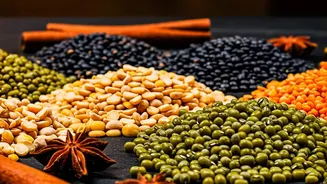
Often hailed as one of the most cherished pulses, moong dal is prized for being incredibly light and easy to digest. It's a fantastic source of plant-based protein, packing roughly 24 grams per 100g when raw. After cooking, a single katori can deliver a solid 10-11 grams of protein. Moong dal is also low in calories and fat while being rich in fibre, making it an ideal food for those aiming for weight loss. It provides essential nutrients like potassium, magnesium, iron, and folate. Sprouting moong dal enhances its nutritional profile further, increasing the bioavailability of its vitamins. Whether prepared as a thin soup, a hearty dal, or used in khichdi, moong dal is a comforting and powerful way to meet your protein goals naturally.
3. Urad Dal (Black Gram)
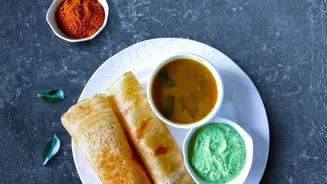
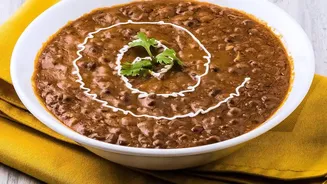
Urad dal is a true protein powerhouse, boasting one of the highest protein contents among common Indian dals. In its raw, dry state, it contains about 24-25 grams of protein per 100 grams. When you pair it with rice, as in the classic idli or dosa, it forms a complete protein, providing all the essential amino acids your body needs. Beyond muscle repair and growth, urad dal is rich in iron, which helps combat fatigue and boost energy levels. Its high fibre content supports a healthy digestive system, while minerals like calcium, magnesium, and phosphorus contribute to stronger bones. Famous for its role in creating the iconic Dal Makhani, urad dal also features in crispy vadas and the batter for countless South Indian dishes, showcasing its culinary importance.
4. Masoor Dal (Red Lentil)
Known for its quick cooking time and vibrant colour, masoor dal is another excellent addition to a protein-rich diet. It provides approximately 24-26 grams of protein per 100 grams in its uncooked form, placing it among the top-tier pulses. Masoor dal is loaded with dietary fibre, which is beneficial for digestive health and helps manage blood sugar levels by slowing absorption. It's also a great source of iron and folate, nutrients that are vital for preventing anaemia and supporting overall energy. Its rich antioxidant content helps combat inflammation in the body. With its earthy flavour, masoor dal is perfect for simple, everyday dals and soups, offering a quick, convenient, and nutritious way to fortify your meals.
5. Toor Dal (Pigeon Pea)
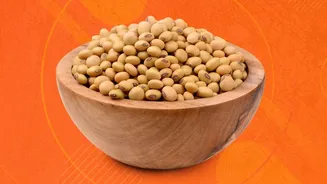
No Indian meal plan is complete without Toor Dal, also known as Arhar Dal. It is a fundamental part of daily cooking in many households and a reliable protein source, offering about 22 grams of protein per 100g (raw). It's particularly rich in folic acid, which is essential for cell growth and is especially important during pregnancy. Toor dal is also packed with dietary fibre, promoting good digestion and preventing constipation. As a low-fat, cholesterol-free food, it is excellent for heart health. Its slightly sweet, nutty flavour makes it the base for beloved dishes like South Indian sambar and the classic North Indian dal tadka, proving that getting your daily protein can be a flavourful experience.