




The Science of a Smart Sargi
The purpose of sargi is to provide enough sustenance to last from sunrise until moonrise without food or water. A meal heavy on sweets and fried foods can lead to a quick energy crash, acidity, and intense thirst. A well-planned sargi, however, should
focus on a combination of complex carbohydrates for slow-release energy, protein for satiety, healthy fats to keep you full, and hydrating elements to prepare your body for the long day. Think of it not just as a ritual, but as an act of self-care that makes the fast more manageable.
Complex Carbs for Lasting Energy
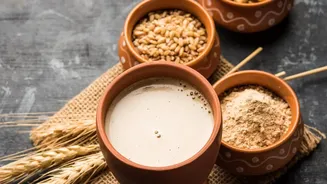
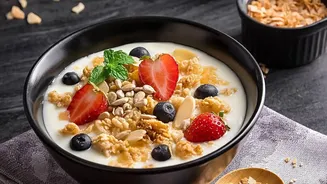
Instead of reaching for sweets that provide a short-lived sugar rush, anchor your meal with complex carbohydrates. These digest slowly, providing a steady stream of energy. A single whole-wheat paratha, lightly stuffed with paneer or vegetables, is a great option. Other excellent choices include a small bowl of dalia or oats cooked in milk, or even a savoury multigrain upma packed with vegetables. These options prevent the mid-day fatigue that often follows a simple-sugar-based meal.
Power Up with Protein
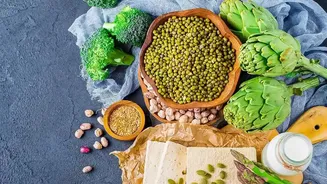
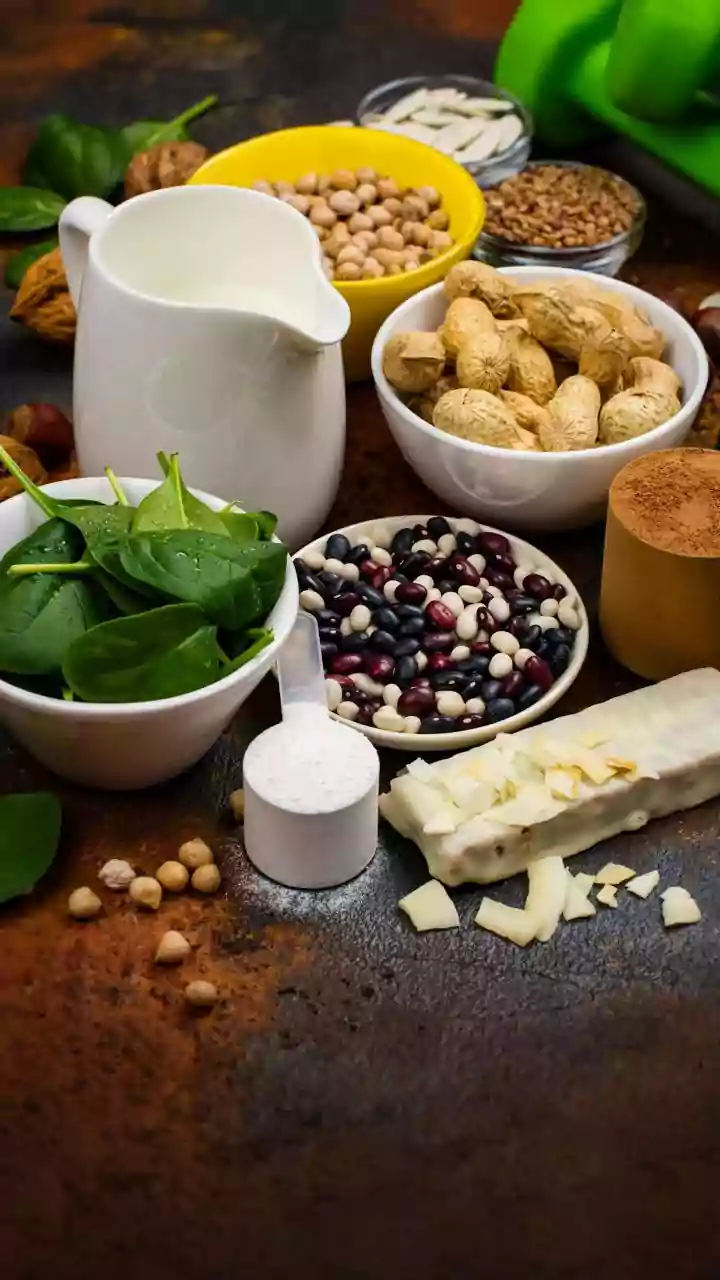
Protein is crucial for feeling full and satisfied for a longer period. Including a good protein source in your sargi can significantly reduce hunger pangs later in the day. A bowl of plain curd is a fantastic choice; it’s cooling, provides protein, and helps with hydration. A few cubes of fresh paneer, a savoury moong dal cheela, or even a small bowl of lightly spiced kala chana can offer a substantial protein boost without feeling too heavy. These foods work to keep you feeling strong and steady.
Hydration Heroes Are a Must
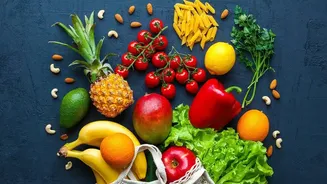
Since Karwa Chauth is traditionally a 'nirjala' fast, pre-hydrating your body is essential. Start hydrating the day before the fast. For your sargi, include water-rich foods. Coconut water is excellent for replenishing electrolytes. Fruits like apples, pomegranates, and pears provide hydration along with fibre and essential nutrients. A glass of milk or a bowl of curd also contributes to your fluid intake. It's wise to avoid or limit caffeinated drinks like tea and coffee, as they can have a dehydrating effect.
Embrace Healthy Fats
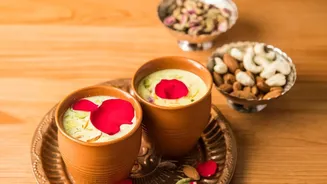
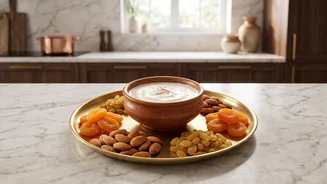
Healthy fats are another key to satiety. A small handful of nuts like almonds and walnuts offers a fantastic source of energy and will help keep you feeling full. Soaking them overnight makes them easier to digest. You can also include seeds like chia or flax, perhaps mixed into a bowl of curd or a smoothie. Even the light brush of ghee on a paratha contributes healthy fat that helps sustain you. These fats are dense in energy and play a big role in a balanced sargi.
What to Limit or Avoid
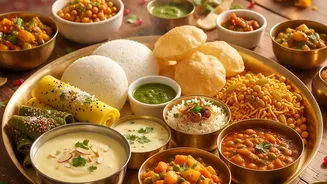
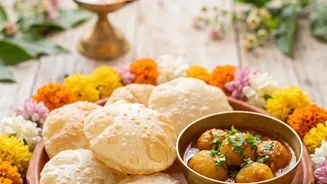
Just as important as what to eat is what to avoid. Steer clear of heavily salted items like pickles and mathri, as they will increase your thirst significantly during a waterless fast. Deep-fried foods such as puris and pakoras can cause heaviness and acidity. Also, be mindful of overly sugary processed sweets and drinks, which can lead to a sharp spike and subsequent crash in blood sugar, leaving you feeling tired and even more hungry. The goal is to feel nourished, not uncomfortably full or sluggish.